

Issue · Environment
Environment (Drinking Water)
Every environment bill, vote, and legislator stance in Pennsylvania, automatically classified by Maddy, our AI policy reader.
Total bills
1
2025-2026 Regular Session
Top supporter
Joe Webster
80% support rate
Top opponent
Charity Krupa
25% support rate
Ranked legislators
10
5 support · 5 oppose
Key legislators
Who's moving drinking water in Pennsylvania
| Legislator | Party | Stance | Support rate | Votes |
|---|---|---|---|---|
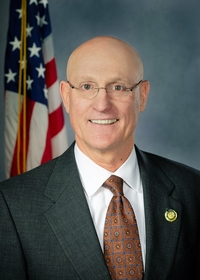
Joe Webster
House · District 150
|
D |
Strong +
|
80% | 5 |
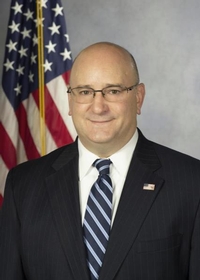
Ben Sanchez
House · District 153
|
D |
Support
|
75% | 4 |
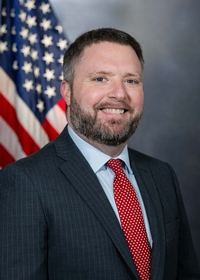
Ben Waxman
House · District 182
|
D |
Support
|
75% | 4 |
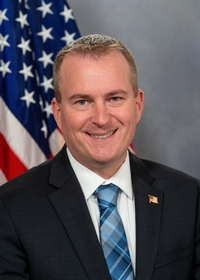
Brian Munroe
House · District 144
|
D |
Support
|
75% | 4 |
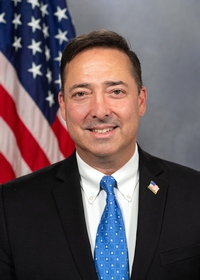
Chris Pielli
House · District 156
|
D |
Support
|
75% | 4 |
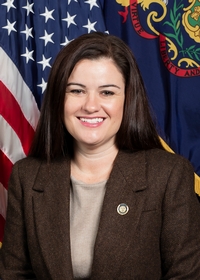
Charity Krupa
House · District 51
|
R |
Oppose
|
25% | 4 |
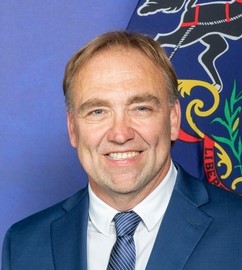
Jake Banta
House · District 4
|
R |
Oppose
|
25% | 4 |
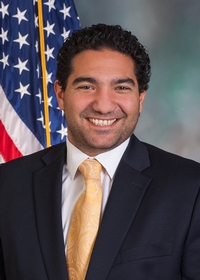
Josh Kail
House · District 15
|
R |
Oppose
|
25% | 4 |
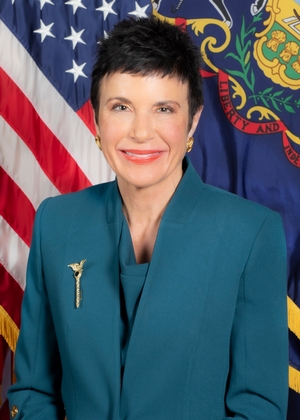
Marla Brown
House · District 9
|
R |
Oppose
|
25% | 4 |
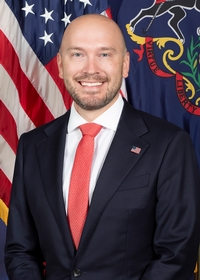
Roman Kozak
House · District 14
|
R |
Oppose
|
25% | 4 |
Showing 1 of 1
bills