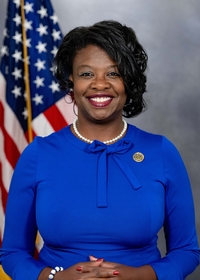
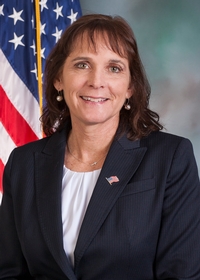
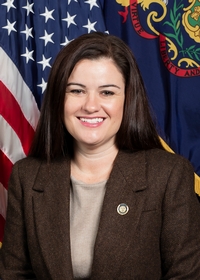
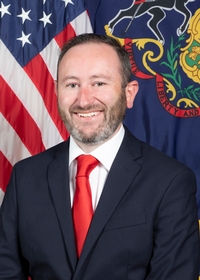
This bill is a House Resolution that formally recognizes April 2026 as "National Poetry Month" within Pennsylvania. It does not create new laws or change existing policies, but rather serves as an official statement of support for poetry and the literary arts. The resolution acknowledges the cultural and educational value of poetry, noting its role in education and community engagement. Sponsored by multiple legislators, it aims to honor the tradition of celebrating poetry during this designated month.
This resolution designates July 31, 2025, as "Intern Day" in Pennsylvania to recognize the value of internships for students, educational institutions, and employers. It aims to raise awareness about work-based learning opportunities that connect classroom education with workplace skills, aligning with national observances. The bill does not create new laws or funding but symbolically highlights Pennsylvania’s commitment to supporting internships as part of economic development. It directly affects students seeking career experience, career and technical centers, and businesses offering internships.
HB 2218 amends Pennsylvania's Public School Code to require all school entities (including districts, charter schools, cyber charters, and career schools) to develop and implement a written comprehensive school counseling plan. The bill mandates that each plan, created by certified school counselors, must include annual reviews, K-12 systemic alignment, grade-level and building-specific strategies, and integration with existing student services plans. Key provisions define "direct services" (like individual counseling and classroom instruction) and "indirect services" (such as parent consultations), requiring plans to guide students in academic, career, and social-emotional development. The law establishes specific components for the plan - foundation, management, delivery, and accountability - without specifying funding or new programs.
HB 2176 would require Pennsylvania public and nonpublic schools to integrate social media literacy into their curriculum. The bill mandates that state academic standards include specific lessons on social media's mental, psychological, and physical impacts on students, its effects on learning, safe online behavior (including identifying cyberbullying and predatory activity), and personal device security. The Department of Education must develop educational materials and provide professional development for teachers on these topics. This bill directly affects all Pennsylvania schools, including public school districts, charter schools, and nonpublic schools, by adding concrete requirements to student learning standards.
This bill requires Pennsylvania public schools to adopt or update a bullying policy that includes clear disciplinary consequences for bullying incidents and designates a staff member to handle reports. Schools must notify parents within five days of a bullying or cyberbullying incident while following federal privacy laws. The policy may also include prevention and intervention programs, and the bill clarifies that bullying involves repeated, severe acts in a school setting that disrupt education or create a threatening environment. Cyberbullying is specifically defined as bullying occurring via electronic devices during school hours.
HB 1706 requires Pennsylvania schools to integrate student mental health awareness into existing health education standards and school operations. It mandates the State Board of Education to update health standards, the Department of Health and Education to develop public guidelines on mental health warning signs for students and families, and schools to notify students and parents twice yearly about local mental health services. The bill also requires school entities to report student absences or injuries in activities to student assistance programs and directs the Pennsylvania Interscholastic Athletic Association to add mental health training to coach certification by the 2025-2026 school year. This bill directly affects all public, private, and parochial schools in Pennsylvania, their students, families, and athletic staff.
HB 460 requires all teachers in Pennsylvania public schools to complete child abuse recognition and reporting training as part of their certification process. It amends the Public School Code of 1949 to integrate this training into both initial certification and ongoing educator requirements. The bill directly affects educators by mandating specific training to identify and report suspected abuse, ensuring schools meet updated child safety standards. This change applies to all public school teachers, including those seeking certification or renewing credentials.
HB 1935 requires individuals convicted of terroristic threats to pay restitution for costs incurred during evacuations, including emergency response, transportation, and employee wages for first responders. It also mandates a sentencing enhancement for threats targeting schools or institutions of higher education, which the Pennsylvania Commission on Sentencing must consider. The bill defines "school entity" to include public, charter, private, and cyber charter schools, and "institution of higher education" to cover specific universities like Penn State, Pitt, Temple, and others. These changes directly affect offenders who make terroristic threats in educational settings, holding them financially accountable for the costs their actions trigger.
HB 1768 establishes four new grant programs to support Pennsylvania's local food system. It provides incentives for schools and institutions to purchase local food (Local Food Purchasing Incentive Grant), offers financial assistance to farmers for production improvements (Keystone Producer Grant), supports food distribution networks (Keystone Assistance Grant), and funds school meal programs sourcing from local farms (Keystone Fresh Farm to School Account). The Department of Agriculture and Department of Education would administer these programs and manage the grant allocations. The bill directly affects Pennsylvania farmers, schools, food distributors, and local food businesses by creating new funding mechanisms to strengthen regional food systems.
HB 1663 establishes Pennsylvania's Statewide Imagination Library Program under the Public School Code of 1949, creating a dedicated funding account managed by the Department of Education. The bill directly affects Pennsylvania children, particularly those from birth through age five, by providing free books through the program. Key provisions require the Department of Education to administer the program and manage the Imagination Library of Pennsylvania Restricted Account for funding. The bill is currently under review in the Children & Youth committee after being removed from the legislative table in November 2025.