Issue · Criminal Justice

Criminal Justice (Juvenile Justice)

Every criminal justice bill, vote, and legislator stance in Pennsylvania, automatically classified by Maddy, our AI policy reader.

Total bills
3
2025-2026 Regular Session
Top supporter
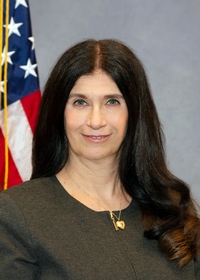
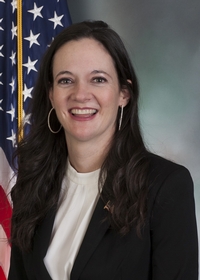
Kristine Howard
83% support rate
Top opponent
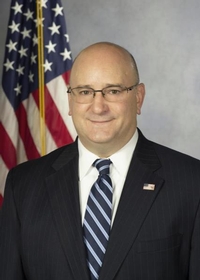
Stephanie Borowicz
13% support rate
Ranked legislators
10
5 support · 5 oppose
Key legislators

Who's moving juvenile justice in Pennsylvania

Legislators moving juvenile justice in Pennsylvania
Legislator Party Stance Support rate Votes
Kristine Howard
Kristine Howard House · District 167
D
Strong +
83% 18
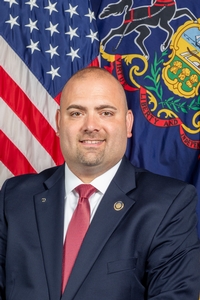
Ben Sanchez
Ben Sanchez House · District 153
D
Strong +
81% 16
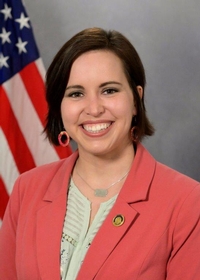
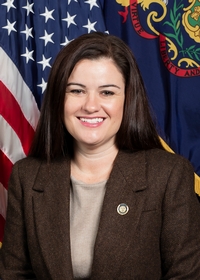
Emily Kinkead
Emily Kinkead House · District 20
D
Strong +
81% 16
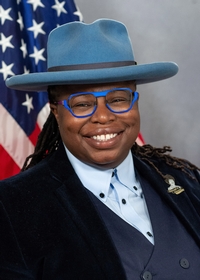
La'Tasha Mayes
La'Tasha Mayes House · District 24
D
Strong +
81% 16
Liz Hanbidge
Liz Hanbidge House · District 61
D
Strong +
80% 20
Stephanie Borowicz
Stephanie Borowicz House · District 76
R
Strong −
13% 15
Joe Hamm
Joe Hamm House · District 84
R
Strong −
20% 15
Charity Krupa
Charity Krupa House · District 51
R
Oppose
21% 14
Jamie Walsh
Jamie Walsh House · District 117
R
Oppose
23% 13
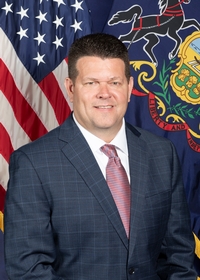
Josh Kail
Josh Kail House · District 15
R
Oppose
25% 16
Showing 3 of 3 bills

All criminal justice bills

in committee · Pennsylvania · House Feb 9, 2026

HB 2203: An Act amending Titles 18 (Crimes and Offenses) and 42 (Judiciary and Judicial Procedure) of the Pennsylvania Consolidated Statutes, in burglary and other criminal intrusion, further providing for burglary; in robbery, further providing for robbery; and, in juvenile matters, further providing for definitions, for inspection of court files and records, for conduct of hearings and for transfer to criminal proceedings.

HB 2203 amends Pennsylvania law to increase penalties for burglary and robbery involving controlled substances, designer drugs, or firearms, classifying these as first-degree felonies. It also revises juvenile court definitions by removing certain serious offenses - like first-degree robbery and burglary - from "delinquent act" status when committed by juveniles aged 15+ with prior adjudications. This means juveniles aged 15+ who commit these specific crimes (e.g., stealing drugs/firearms) will now face transfer to adult criminal court instead of juvenile proceedings. The bill directly affects juvenile offenders in cases involving these high-level offenses and alters sentencing classifications under Titles 18 and 42.
in committee · Pennsylvania · House Jan 28, 2026

HB 2165: An Act amending Title 42 (Judiciary and Judicial Procedure) of the Pennsylvania Consolidated Statutes, in juvenile matters, further providing for definitions.

HB 2165 amends Pennsylvania's definition of "delinquent act" in juvenile court proceedings. It specifically excludes certain serious crimes from being classified as delinquent acts when committed by minors aged 15 or older, including murder, rape, robbery with a deadly weapon, kidnapping, and aggravated assault. The bill also excludes repeat offenses where a minor was previously adjudicated delinquent for similar violent crimes, summary offenses, and crimes already handled in criminal court. This change directly affects minors aged 15+ accused of these excluded offenses, shifting their cases to criminal court instead of juvenile court. The policy change takes effect 60 days after enactment.
in committee · Pennsylvania · Senate Jul 31, 2025

SB 916: An Act amending Titles 18 (Crimes and Offenses) and 42 (Judiciary and Judicial Procedure) of the Pennsylvania Consolidated Statutes, in burglary and other criminal intrusion, further providing for the offense of burglary; and, in juvenile matters, further providing for definitions.

SB 916 modifies Pennsylvania's burglary laws and juvenile definitions. It elevates burglary involving intent to steal a firearm or ammunition to a first-degree felony (the most serious category) and adds sentencing enhancements when domestic animals are harmed during burglary or stolen firearms are used in subsequent crimes. For juveniles, it revises the definition of "child" to extend court jurisdiction beyond age 18 for those pursuing education, employment, or training, and updates "delinquent act" to exclude certain serious crimes committed by 15+ year olds involving deadly weapons. The bill directly affects burglary defendants (especially firearm-related cases), courts (with new sentencing options), and juveniles aged 15-21 facing specific charges.