Issue · Criminal Justice

Criminal Justice (Courts)

Every criminal justice bill, vote, and legislator stance in Pennsylvania, automatically classified by Maddy, our AI policy reader.

Total bills
7
2025-2026 Regular Session
Top supporter
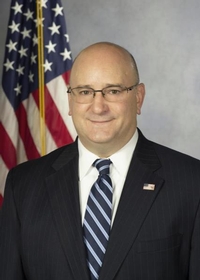
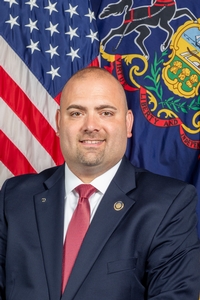
Ben Sanchez
94% support rate
Top opponent
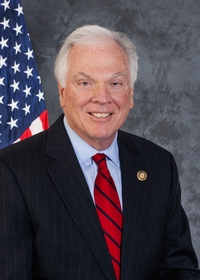
John Lawrence
0% support rate
Ranked legislators
10
5 support · 5 oppose
Key legislators

Who's moving courts in Pennsylvania

Legislators moving courts in Pennsylvania
Legislator Party Stance Support rate Votes
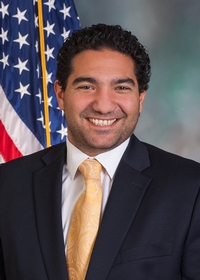
Ben Sanchez
Ben Sanchez House · District 153
D
Strong +
94% 17
Emily Kinkead
Emily Kinkead House · District 20
D
Strong +
94% 17
Kristine Howard
Kristine Howard House · District 167
D
Strong +
94% 17
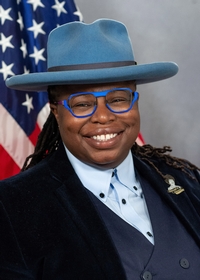
La'Tasha Mayes
La'Tasha Mayes House · District 24
D
Strong +
94% 17
Liz Hanbidge
Liz Hanbidge House · District 61
D
Strong +
94% 17
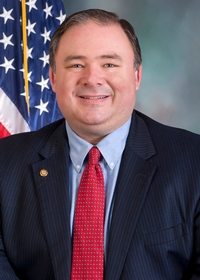
John Lawrence
John Lawrence House · District 13
R
Strong −
0% 6
Josh Kail
Josh Kail House · District 15
R
Strong −
6% 17
Joe Hamm
Joe Hamm House · District 84
R
Strong −
7% 15
Stephanie Borowicz
Stephanie Borowicz House · District 76
R
Strong −
7% 15
Tim Bonner
Tim Bonner House · District 17
R
Strong −
7% 15
Showing 7 of 7 bills

All criminal justice bills

in committee · Pennsylvania · House Aug 7, 2026

HB 2729: An Act amending Titles 18 (Crimes and Offenses) and 42 (Judiciary and Judicial Procedure) of the Pennsylvania Consolidated Statutes, in riot, disorderly conduct and related offenses, providing for the offense of animal hoarding; and, in sentencing, providing for sentencing for animal hoarding.

Pennsylvania House Bill 2729 creates a new misdemeanor of the third degree for animal hoarding, defined as keeping animals in conditions that are unsanitary, unhealthful, malodorous, or dangerous to people, animals, or property. The bill specifies that each animal kept in violation constitutes a separate offense, but it excludes animals classified as agricultural commodities from this definition. For sentencing, the law requires a mental health evaluation of the defendant before any sentence is scheduled. If the court finds that the defendant suffered from a psychological or psychiatric disability at the time of the offense, it must order treatment and stay legal action pending a report on that treatment. Upon successful completion of treatment, the court must order the forfeiture of the animals, prohibit future ownership, reverse the conviction, and expunge the arrest record.
Sub-Topics Courts Sentencing
in committee · Pennsylvania · House Mar 3, 2026

HB 2259: An Act amending Title 42 (Judiciary and Judicial Procedure) of the Pennsylvania Consolidated Statutes, providing for actions not permissible in a courthouse; and imposing penalties.

This bill establishes rules for law enforcement actions on courthouse grounds in Pennsylvania, primarily restricting civil arrests related to immigration enforcement without a judicial warrant. It directly affects law enforcement officers, courthouse staff, and individuals seeking access to court proceedings. The key provisions prohibit detaining or arresting people on courthouse property for immigration violations unless the officer holds a valid judicial warrant and must show documentation to any court employee who asks. The law also defines who qualifies as a "court companion" to protect individuals accompanying parties to court and includes penalties of up to $10,000 for violations while providing immunity to courthouse employees acting in good faith.
Sub-Topics Courts Law Enforcement
in committee · Pennsylvania · House Jan 28, 2026

HB 2165: An Act amending Title 42 (Judiciary and Judicial Procedure) of the Pennsylvania Consolidated Statutes, in juvenile matters, further providing for definitions.

HB 2165 amends Pennsylvania's definition of "delinquent act" in juvenile court proceedings. It specifically excludes certain serious crimes from being classified as delinquent acts when committed by minors aged 15 or older, including murder, rape, robbery with a deadly weapon, kidnapping, and aggravated assault. The bill also excludes repeat offenses where a minor was previously adjudicated delinquent for similar violent crimes, summary offenses, and crimes already handled in criminal court. This change directly affects minors aged 15+ accused of these excluded offenses, shifting their cases to criminal court instead of juvenile court. The policy change takes effect 60 days after enactment.
in committee · Pennsylvania · Senate Jul 31, 2025

SB 916: An Act amending Titles 18 (Crimes and Offenses) and 42 (Judiciary and Judicial Procedure) of the Pennsylvania Consolidated Statutes, in burglary and other criminal intrusion, further providing for the offense of burglary; and, in juvenile matters, further providing for definitions.

SB 916 modifies Pennsylvania's burglary laws and juvenile definitions. It elevates burglary involving intent to steal a firearm or ammunition to a first-degree felony (the most serious category) and adds sentencing enhancements when domestic animals are harmed during burglary or stolen firearms are used in subsequent crimes. For juveniles, it revises the definition of "child" to extend court jurisdiction beyond age 18 for those pursuing education, employment, or training, and updates "delinquent act" to exclude certain serious crimes committed by 15+ year olds involving deadly weapons. The bill directly affects burglary defendants (especially firearm-related cases), courts (with new sentencing options), and juveniles aged 15-21 facing specific charges.
in committee · Pennsylvania · House Mar 13, 2025

HB 896: An Act amending Title 42 (Judiciary and Judicial Procedure) of the Pennsylvania Consolidated Statutes, in sentencing, further providing for sentencing procedure for murder of the first degree.

HB 896 requires Pennsylvania courts to impose the death penalty on defendants convicted of first-degree murder who are documented as undocumented migrants under U.S. immigration law (defined as violating 8 U.S.C. Ch. 12). The bill amends sentencing procedures to mandate this specific penalty after the court records the defendant's undocumented status, replacing standard sentencing considerations. It directly affects individuals facing first-degree murder charges who lack legal immigration status in the U.S.
in committee · Pennsylvania · House Sep 17, 2025

HB 1867: An Act amending Title 18 (Crimes and Offenses) of the Pennsylvania Consolidated Statutes, in firearms and other dangerous articles, providing for prohibition of extreme risk protective orders.

HB 1867 would amend Pennsylvania's criminal code to prohibit courts from issuing extreme risk protective orders (ERPOs), which are court orders temporarily removing firearms from individuals deemed a risk to themselves or others. This bill directly affects individuals who might be subject to such orders, as well as law enforcement and courts that currently use ERPOs under existing state law. The key provision would eliminate the legal mechanism for ERPOs in Pennsylvania, preventing judges from issuing these orders even when requested by law enforcement or family members. The bill is currently in the Judiciary committee following its referral on September 17, 2025.
Sub-Topics Courts Firearms
in committee · Pennsylvania · House Feb 20, 2025

HB 648: An Act amending Title 18 (Crimes and Offenses) of the Pennsylvania Consolidated Statutes, in criminal homicide, further providing for the offense of drug delivery resulting in death.

HB 648 creates a new first-degree felony offense for intentionally delivering a controlled substance (in violation of Pennsylvania's drug laws) that results in another person's death. The bill explicitly removes defenses that the victim voluntarily used the drug or used it with other substances, such as alcohol or additional drugs. This law directly affects drug sellers, distributors, or those who illegally provide controlled substances leading to a fatal overdose. It changes the legal standard by making such deaths prosecutable without the previous defenses that could have been raised in court.