Issue · Criminal Justice

Criminal Justice (Probation & Parole)

Every criminal justice bill, vote, and legislator stance in Pennsylvania, automatically classified by Maddy, our AI policy reader.

Total bills
53
2025-2026 Regular Session
Top supporter
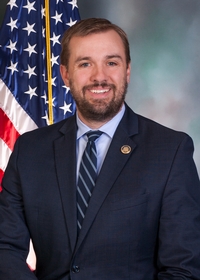
Ben Sanchez
83% support rate
Top opponent
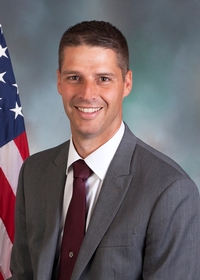
John Lawrence
15% support rate
Ranked legislators
10
5 support · 5 oppose
Key legislators

Who's moving probation & parole in Pennsylvania

Legislators moving probation & parole in Pennsylvania
Legislator Party Stance Support rate Votes
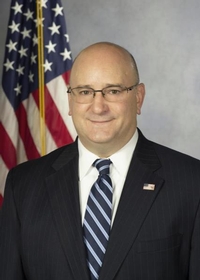
Ben Sanchez
Ben Sanchez House · District 153
D
Strong +
83% 24
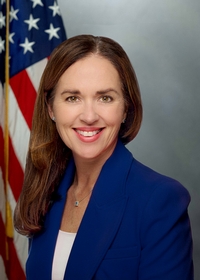
Bridget Malloy Kosierowski
Bridget Malloy Kosierowski House · District 114
D
Strong +
82% 17
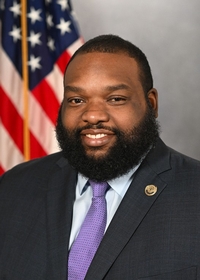
Jordan Harris
Jordan Harris House · District 186
D
Strong +
82% 17
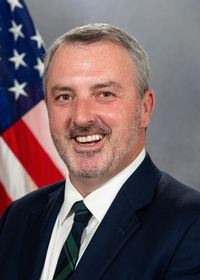
Kyle Donahue
Kyle Donahue House · District 113
D
Strong +
82% 22
La'Tasha Mayes
La'Tasha Mayes House · District 24
D
Strong +
82% 22
John Lawrence
John Lawrence House · District 13
R
Strong −
15% 13
Stephanie Borowicz
Stephanie Borowicz House · District 76
R
Strong −
20% 20
Ann Flood
Ann Flood House · District 138
R
Strong −
20% 15
Bryan Cutler
Bryan Cutler House · District 100
R
Strong −
20% 15
Clint Owlett
Clint Owlett House · District 68
R
Strong −
20% 15
Showing 51–53 of 53 bills

All criminal justice bills

passed · Pennsylvania · House Feb 13, 2026

HB 1936: An Act amending Title 42 (Judiciary and Judicial Procedure) of the Pennsylvania Consolidated Statutes, in juvenile matters, further providing for release or holding of hearing, for disposition of delinquent child and for limitation on and change in place of commitment and disposition review hearing.

HB 1936 amends Pennsylvania's juvenile justice laws to change procedures for handling cases involving minors. It specifies when courts must hold hearings before releasing or committing a juvenile, alters where juveniles can be placed for treatment or supervision, and adds requirements for reviewing dispositions (how cases are resolved) after commitment. The bill directly affects juveniles charged with offenses, their families, and juvenile court judges and probation officers who manage these cases. Key changes include setting clearer timelines for hearings, limiting where juveniles can be committed (e.g., away from home), and mandating periodic reviews of their case plans. These provisions aim to standardize court processes while prioritizing youth safety and appropriate supervision.
signed · Pennsylvania · Senate Jul 21, 2025

SB 475: An Act amending Title 42 (Judiciary and Judicial Procedure) of the Pennsylvania Consolidated Statutes, in organization and jurisdiction of courts of common pleas, further providing for problem-solving courts; and, in sentencing, further providing for modification or revocation of order of probation.

SB 475 creates a framework for Pennsylvania courts to establish specialized "problem-solving" treatment courts (including veterans, drug, mental health, and DUI courts) and modifies probation rules. It allows courts to create "veterans tracks" within existing treatment programs and requires judges to consider a defendant's employment status when sentencing for technical probation violations. The bill specifically permits up to 30 days of incarceration to allow defendants to enter treatment courts instead of imposing full sentences for technical probation violations. This directly affects Pennsylvania courts, probation officers, and individuals on probation who commit minor violations.
in committee · Pennsylvania · House Nov 19, 2025

HB 2059: An Act amending Title 61 (Prisons and Parole) of the Pennsylvania Consolidated Statutes, in preliminary provisions, further providing for definitions; providing for segregated confinement; and establishing the Segregated Confinement Hearing Review Board.

HB 2059 amends Pennsylvania's prison laws to establish clearer rules for segregated confinement (seclusion in prison cells) and create oversight. It directly affects incarcerated people in Pennsylvania prisons by requiring a new Segregated Confinement Hearing Review Board to review cases where individuals are placed in segregation. The bill sets specific time limits for segregation, mandates regular reviews by the board, and updates definitions in prison statutes to improve transparency. These changes aim to prevent indefinite or arbitrary segregation while providing a formal process for review.
Showing 51 to 53 of 53 bills
Previous 1 4 5 6