Issue · Technology

Technology (Broadband Access)

Every technology bill, vote, and legislator stance in Oklahoma, automatically classified by Maddy, our AI policy reader.

Total bills
6
2026 Regular Session
Top supporter
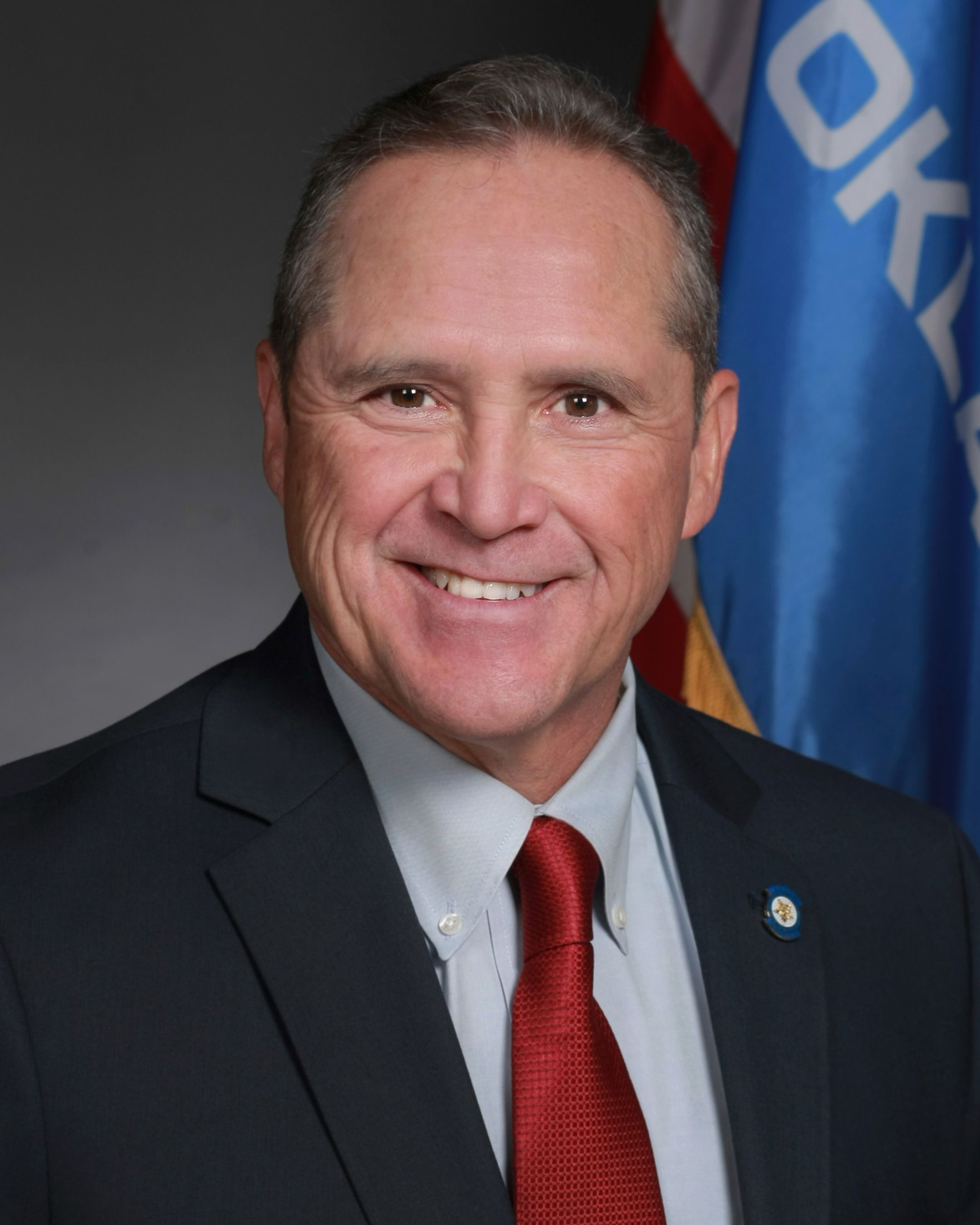
Jack Stewart
100% support rate
Top opponent
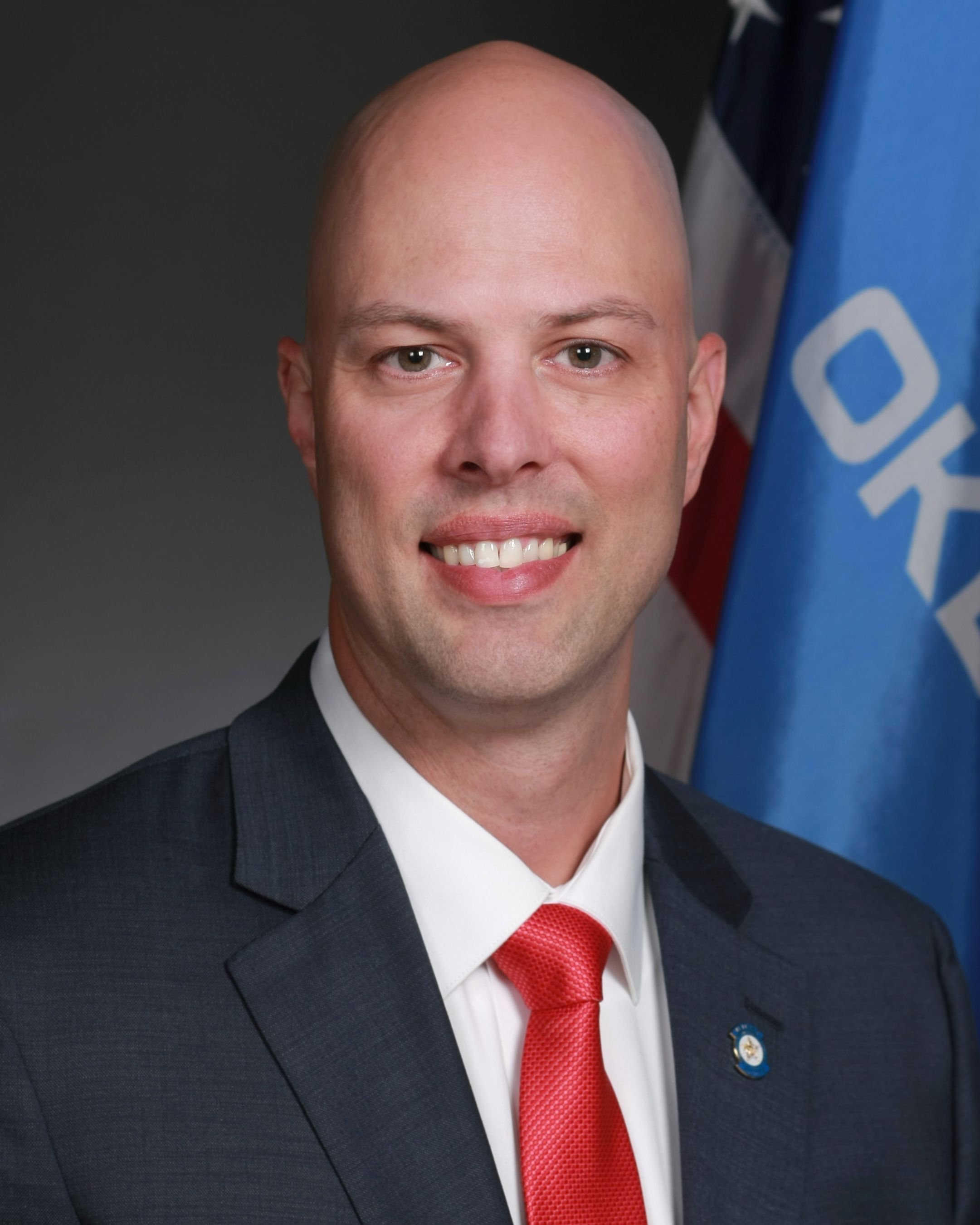
Denise Crosswhite Hader
0% support rate
Ranked legislators
10
5 support · 5 oppose
Key legislators

Who's moving broadband access in Oklahoma

Legislators moving broadband access in Oklahoma
Legislator Party Stance Support rate Votes
Jack Stewart
Jack Stewart Senate · District 18
R
Strong +
100% 9
Ron Stewart
Ron Stewart House · District 73
D
Strong +
100% 9
Arturo Alonso
Arturo Alonso House · District 89
D
Strong +
100% 6
Danny Sterling
Danny Sterling House · District 27
R
Strong +
100% 5
Ellen Pogemiller
Ellen Pogemiller House · District 88
D
Strong +
100% 5
Denise Crosswhite Hader
Denise Crosswhite Hader House · District 41
R
Strong −
0% 5
Gabe Woolley
Gabe Woolley House · District 98
R
Strong −
0% 5
Jay Steagall
Jay Steagall House · District 43
R
Strong −
0% 5
Justin Humphrey
Justin Humphrey House · District 19
R
Strong −
0% 3
Jim Shaw
Jim Shaw House · District 32
R
Strong −
17% 6
Showing 6 of 6 bills

All technology bills

in committee · Oklahoma · Senate Feb 4, 2025

SB 909: Telecommunications; creating the Secure Telecommunications Act of 2025. Effective date. Emergency.

This bill, known as the Secure Telecommunications Act of 2025, requires telecommunications providers operating in Oklahoma to remove and replace certain network equipment that is banned at the federal level or manufactured by companies from countries designated as foreign adversaries. The law defines critical telecommunications infrastructure as any broadband system that connects users to public networks and prohibits the use of equipment from federally banned corporations or foreign adversaries. To enforce these requirements, the bill mandates that providers register with the Oklahoma Corporation Commission by September 1, 2025, and pay an annual fee of up to $50 while submitting contact information and yearly certifications confirming compliance with equipment restrictions. Non-compliance with registration or equipment removal requirements could result in administrative fines ranging from $10,000 to $100,000 per day, and the bill includes provisions to streamline permit processes when replacing prohibited equipment.
in committee · Oklahoma · House Feb 4, 2025

HB 2881: Revenue and taxation; deduction; broadband equipment; federal funds; effective date.

HB 2881 creates a tax deduction for Oklahoma businesses receiving specific federal broadband funding. It allows businesses to deduct funds distributed by the Oklahoma Broadband Office under federal programs like the American Rescue Plan Act (ARPA) and the Infrastructure Investment and Jobs Act's BEAD Program, provided the money is spent on broadband equipment or services. This deduction applies to taxable income for years starting January 1, 2025, and is distributed to pass-through business owners. The bill directly affects Oklahoma broadband providers and service entities using federal recovery funds for infrastructure.
vetoed · Oklahoma · Senate May 29, 2025

SB 687: Sales tax exemption; requiring Oklahoma Broadband Office and Oklahoma Tax Commission to administer certain rebate program; modifying rebate limit; creating the Oklahoma Broadband Rebate Revolving Fund.

SB 687 creates a rebate program for businesses purchasing equipment to expand broadband services in underserved or unserved areas of Oklahoma. It directs the Oklahoma Broadband Office and Tax Commission to administer the program, requiring equipment to directly enable broadband expansion (not operational costs) and limiting rebates to $42 million total - $31.5 million reserved for low-population-density counties. The Oklahoma Broadband Rebate Revolving Fund will pay approved claims, with payments calculated based on total eligible claims versus available funds. Providers must file claims by specified deadlines, and annual reports will track broadband project impacts without disclosing individual company names.
signed · Oklahoma · House May 12, 2025

HB 1124: Broadband; modifying make-up of fund; effective date.

HB 1124 modifies Oklahoma's Statewide Recovery Fund to specify that funds from the federal American Rescue Plan Act (specifically sections for coronavirus capital projects and state/local recovery funds) will be directed to this fund, excluding money designated for local governments. It clarifies that all interest earned on these deposits will also be added to the fund. The bill ensures these funds are available for broadband-related projects without requiring new appropriations. It takes effect November 1, 2025, and became law without the governor's signature on May 12, 2025.
Sub-Topics Broadband Access
in committee · Oklahoma · House Feb 4, 2025

HB 2447: Revenue and taxation; broadband communications; income tax credit; effective date.

HB 2447 creates a 25% income tax credit for businesses that invest in qualified broadband telecommunications infrastructure in Oklahoma, effective for tax years beginning after December 31, 2025. The credit covers the cost of equipment, facilities, and technology used to provide high-speed internet service, with the credit limited to reducing tax liability to zero and allowing unused portions to be carried forward for up to five years. This policy directly affects businesses building or upgrading broadband networks, particularly in rural areas as defined by the Rural Broadband Expansion Council. The bill aims to incentivize broadband expansion by reducing costs for infrastructure investment. It becomes effective January 1, 2026.
passed · Oklahoma · House Apr 21, 2026

HB 2293: Oklahoma Broadband Office; extending termination of Board, Office and Council; duties; authority; effective date.

HB 2293 extends the Oklahoma Broadband Office's operations until December 31, 2030 (previously ending June 30, 2028) and reorganizes it as a division of the Oklahoma Department of Commerce. The bill also extends the Broadband Governing Board and Broadband Expansion Council until 2030, maintaining their roles in overseeing statewide broadband grant programs, the Statewide Broadband Plan, and rural connectivity initiatives. These entities will continue managing federal and state funds for broadband expansion while operating under open-government laws. The changes ensure continuity for existing broadband infrastructure projects and grant programs without altering their core functions.
Sub-Topics Broadband Access