Issue · Housing

Housing (Property Development)

Every housing bill, vote, and legislator stance in Oklahoma, automatically classified by Maddy, our AI policy reader.

Total bills
8
2026 Regular Session
Top supporter
Dana Prieto
100% support rate
Top opponent
Aaron Reinhardt
0% support rate
Ranked legislators
10
5 support · 5 oppose
Key legislators

Who's moving property development in Oklahoma

Legislators moving property development in Oklahoma
Legislator Party Stance Support rate Votes
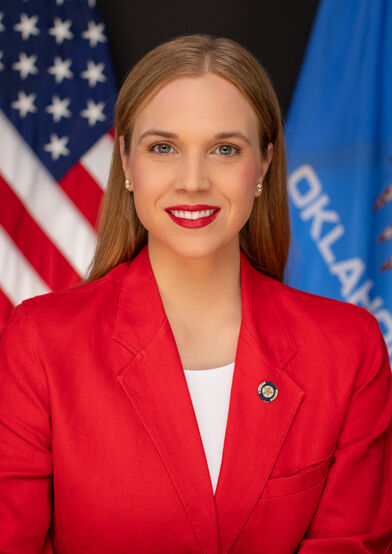
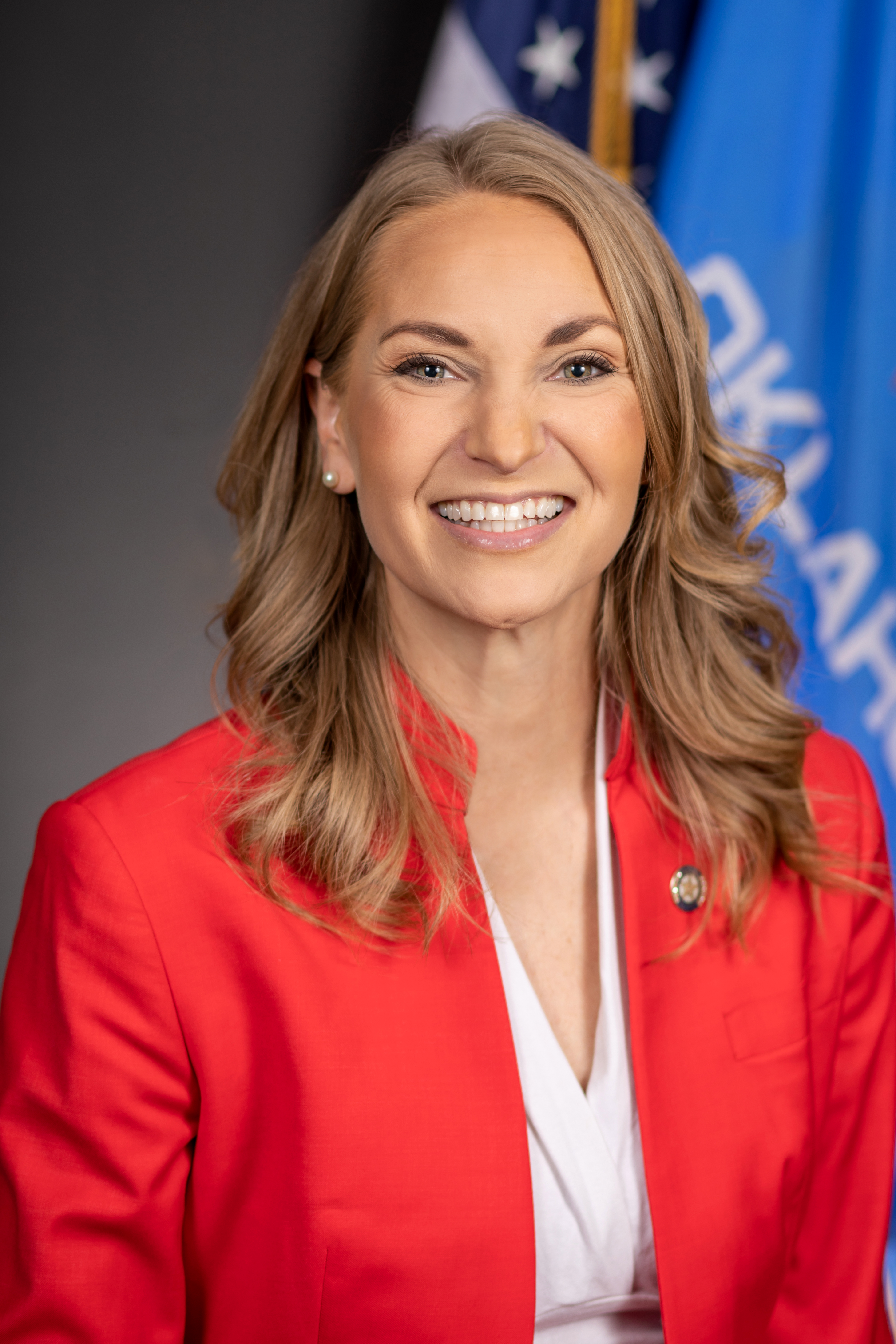
Dana Prieto
Dana Prieto Senate · District 34
R
Strong +
100% 4
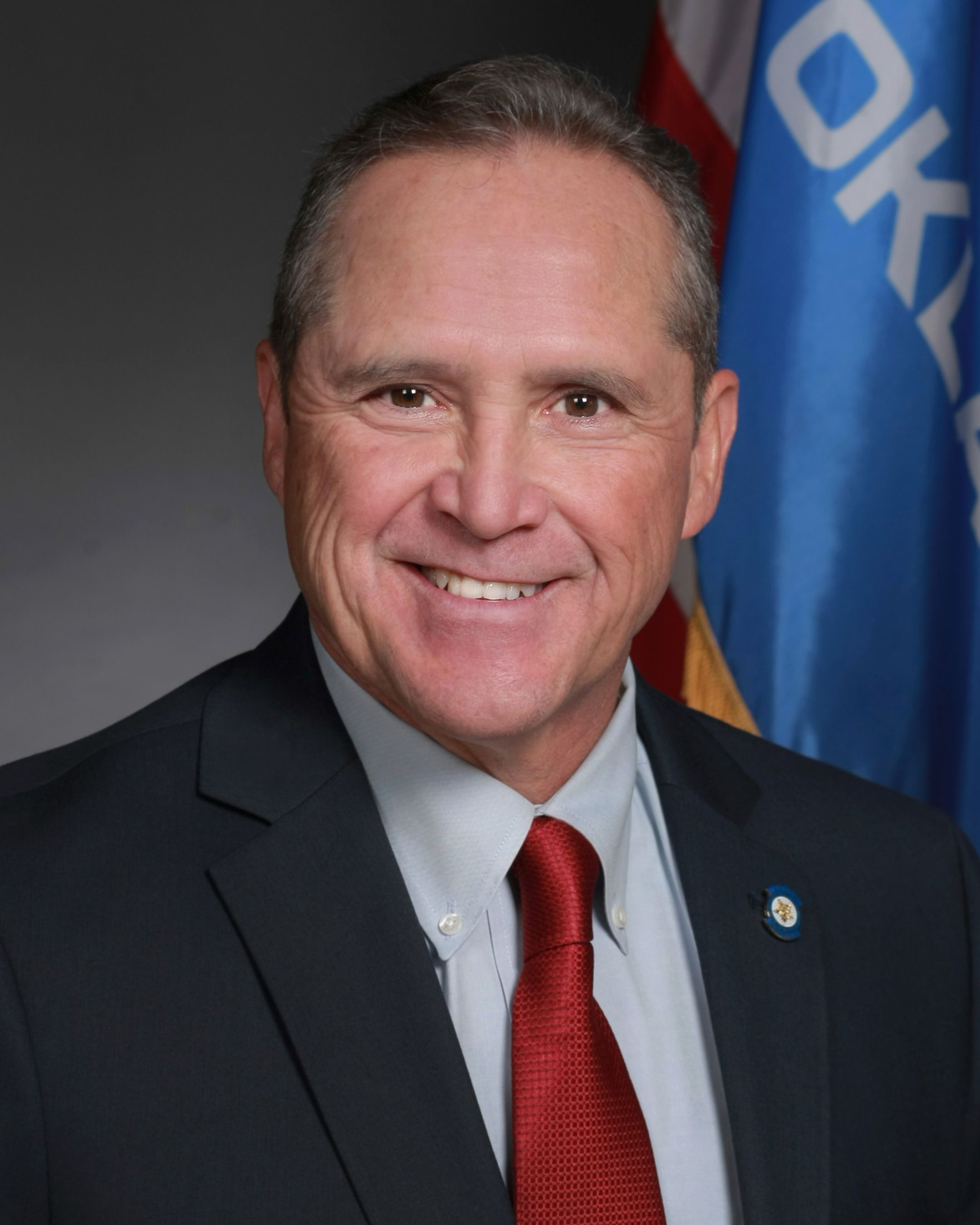
George Burns
George Burns Senate · District 5
R
Strong +
100% 3
Kendal Sacchieri
Kendal Sacchieri Senate · District 43
R
Strong +
83% 6
Brian Guthrie
Brian Guthrie Senate · District 25
R
Strong +
80% 5
Dusty Deevers
Dusty Deevers Senate · District 32
R
Strong +
80% 5
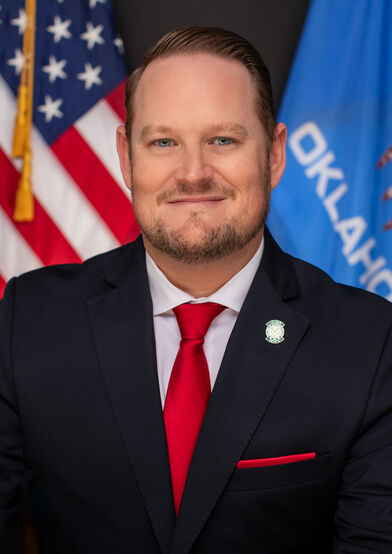
Aaron Reinhardt
Aaron Reinhardt Senate · District 37
R
Strong −
0% 3
Ally Seifried
Ally Seifried Senate · District 2
R
Strong −
0% 3
Carri Hicks
Carri Hicks Senate · District 40
D
Strong −
0% 3
Danny Sterling
Danny Sterling House · District 27
R
Strong −
0% 3
Darcy Jech
Darcy Jech Senate · District 26
R
Strong −
0% 3
Showing 8 of 8 bills

All housing bills

passed · Oklahoma · House Apr 29, 2026

HB 1823: Oklahoma Housing Finance Agency; defining term; mandating certain publication; requiring certain actions prior to certain changes; effective date.

This bill establishes new rules for how the Oklahoma Housing Finance Agency administers federal HOME housing funds, primarily affecting nonprofit organizations, local governments, and other eligible entities that receive these grants. It requires the agency to follow federal guidelines without adding stricter state requirements unless specifically authorized, mandates a 30-day public comment period for any new program rules, and prohibits retroactive rule changes. The legislation also guarantees nonprofit participants a minimum 15% developer fee, ensures CHDOs retain program proceeds, and requires the agency to remove penalties if monitoring issues are resolved within 30 days.
in committee · Oklahoma · Senate Feb 18, 2026

SB 1858: Development incentives; authorizing certain entities to enter into taxpayer agreement; securing bonds with agreement and lien. Effective date.

SB 1858 allows Oklahoma cities and counties to require property owners in designated development zones to enter binding agreements guaranteeing payments for project financing. These payments can secure bonds issued for development costs, with the property itself serving as collateral through liens that take priority over mortgages (but not existing tax liens). The bill ensures such bonds don't count as general municipal debt, limiting repayment solely to the agreed payments and project revenues. Property owners in these designated areas would face direct financial obligations under these agreements, while public entities act as conduits without assuming broader debt liability.
in committee · Oklahoma · House Feb 3, 2026

HB 4192: Real property; title; parcels; definitions; exclusions; effective date.

HB 4192 limits corporate ownership of residential real estate in Oklahoma by prohibiting most businesses (like corporations or LLCs) from acquiring more than 50 parcels of land with single-family homes or similar residential improvements. The bill exempts individuals, entities already owning property before the law takes effect (November 1, 2026), and businesses constructing new housing or leasing existing residential properties. It does not apply to properties owned by entities for non-residential purposes or those held prior to the effective date. The law aims to restrict large-scale corporate ownership of residential land while allowing typical housing development and leasing activities.
in committee · Oklahoma · Senate Feb 3, 2026

SB 1517: Eminent domain; prohibiting taking of private property unless for certain uses. Effective date.

SB 1517 restricts Oklahoma's use of eminent domain by defining "public use" narrowly to include only traditional government purposes like roads, parks, and public utilities - explicitly excluding economic development, tax revenue increases, or job growth as justifications for taking private property. The bill requires governments to resell unused condemned property to the original owner (or heirs) at appraised value before selling it to others, and prohibits local governments from expanding eminent domain powers without new state legislation. It amends existing law to clarify that property taken for a public purpose must be used for that purpose or returned to the original owner, with strict resale procedures. The law takes effect November 1, 2026, and applies to all state and local entities exercising eminent domain authority.
in committee · Oklahoma · Senate Feb 3, 2026

SB 1545: Cities and towns; creating the Yes In God's Backyard Act; allowing faith-based organizations to apply to construct certain project. Emergency.

SB 1545, the "Yes In God’s Backyard Act," allows religious organizations (like churches and mosques) to develop affordable housing on their owned properties without discretionary municipal approval. It requires 60% of mixed-use projects to be residential, with 80% of units designated as affordable housing (capped at 40% non-affordable units for staff housing). The bill preempts local zoning rules that would block such projects, mandates municipalities to approve applications within a set timeframe, and requires compliance with building codes and fair housing laws. This directly affects faith-based groups seeking to use underutilized land for housing, aiming to address housing shortages by streamlining development.
signed · Oklahoma · House May 14, 2025

HB 1549: Public finance; private activity bond allocation; definitions; pools; application; effective date.

HB 1549 modifies Oklahoma's allocation system for private activity bonds, which are tax-exempt bonds used to fund projects like housing and economic development. It redefines key terms and adjusts how the state's annual bond issuance limit ("state ceiling") is divided into specific pools, including increasing the Student Loan Pool to 15.5% and creating new pools for beginning agricultural producers and rural housing. These changes affect state agencies, local governments, housing authorities, and other bond issuers that rely on tax-exempt financing for projects like affordable housing, student loans, and economic development. The bill specifies that allocations from certain pools require approvals from the Oklahoma Department of Commerce or the Council of Bond Oversight. It became law on May 14, 2025, without gubernatorial action.
in committee · Oklahoma · Senate Mar 9, 2026

SB 1332: Oklahoma Water Resources Board; creating the Targeted Housing and Responsible Infrastructure for Vital Economies (THRIVE) Act. Effective date.

SB 1332, the THRIVE Act, creates a program providing zero-interest loans to eligible housing developers needing water, wastewater, or stormwater infrastructure to complete housing projects. It establishes a $100 million revolving fund administered by the Oklahoma Water Resources Board, allocating funds based on population size (33% to large cities, 33% to mid-sized areas, 34% to small communities). The program requires a scoring system for applications prioritizing housing needs, economic development, workforce housing, and fiscal sustainability, with a clawback provision requiring repayment if projects aren't completed. It mandates annual public reporting on project status and outcomes, effective November 1, 2026.
in committee · Oklahoma · Senate Feb 13, 2025

SB 347: Cities and towns; restricting certain municipal powers. Effective date.

SB 347 amends Oklahoma law (11 O.S. 2021, Section 43-103) to prohibit cities and towns from implementing minimum parking requirements when adopting regulations for buildings, land, or districts. The bill updates the statutory framework governing municipal planning, which previously allowed such parking mandates, and specifies that governing bodies cannot enforce these requirements while following the section's eight stated objectives (e.g., traffic safety, health, historical preservation). This change directly affects local governments' ability to regulate parking in zoning and development decisions. The bill takes effect November 1, 2025.