Issue · Housing

Housing (Mortgages)

Every housing bill, vote, and legislator stance in Oklahoma, automatically classified by Maddy, our AI policy reader.

Total bills
4
2026 Regular Session
Top supporter
Jack Stewart
100% support rate
Top opponent
Cody Maynard
0% support rate
Ranked legislators
10
5 support · 5 oppose
Key legislators

Who's moving mortgages in Oklahoma

Legislators moving mortgages in Oklahoma
Legislator Party Stance Support rate Votes
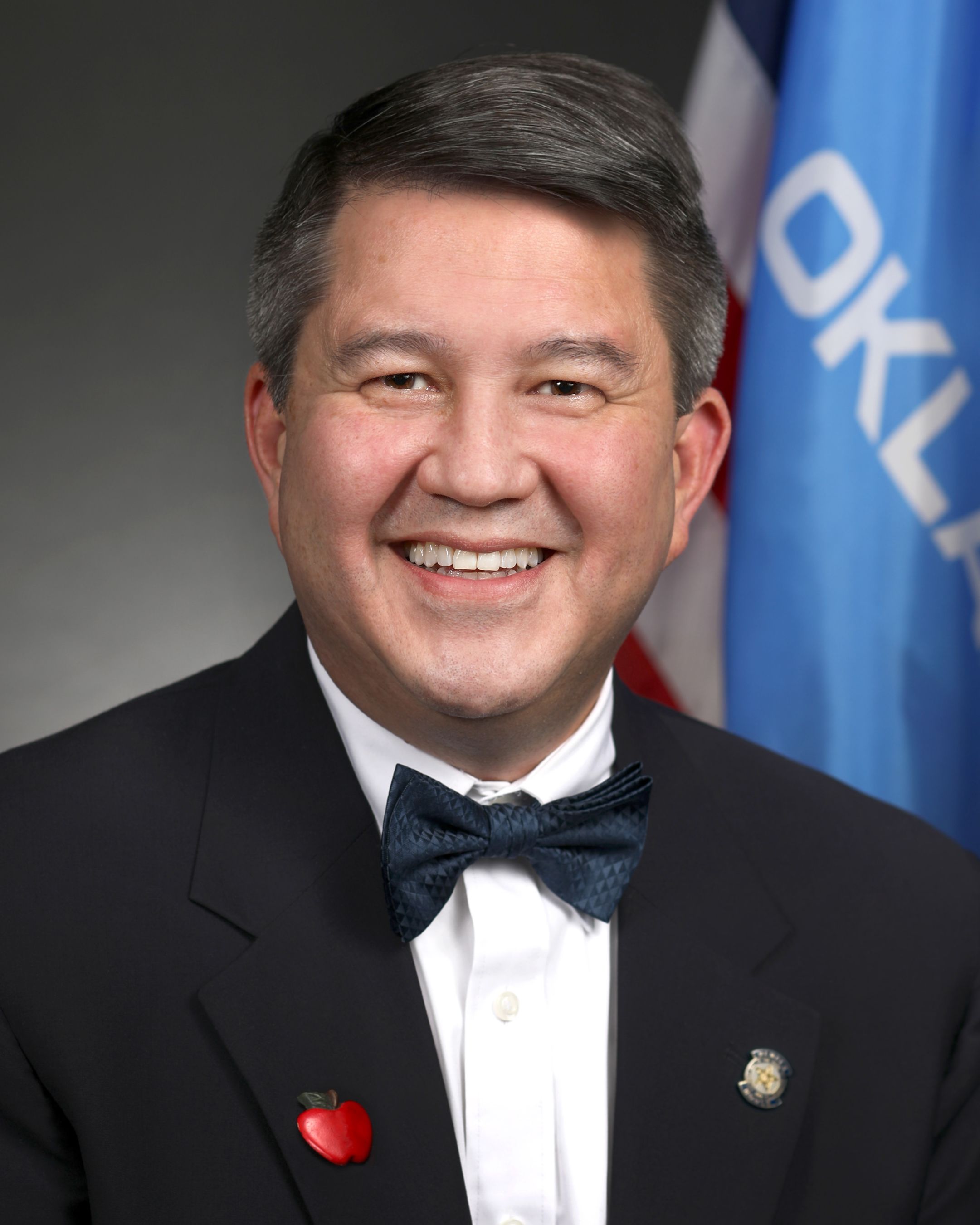
Jack Stewart
Jack Stewart Senate · District 18
R
Strong +
100% 5
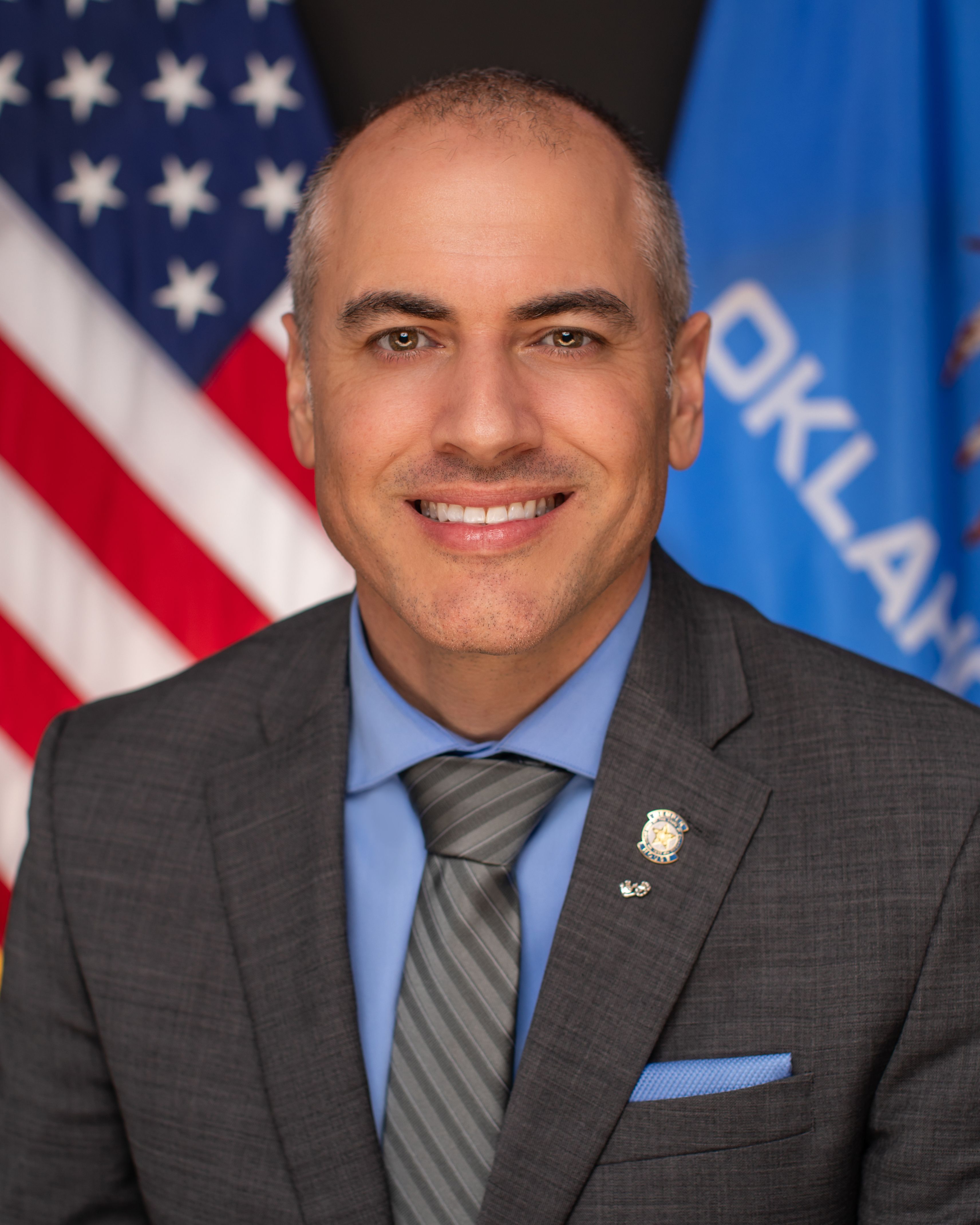
Ron Stewart
Ron Stewart House · District 73
D
Strong +
100% 5
Andy Fugate
Andy Fugate House · District 94
D
Strong +
100% 3
Anthony Moore
Anthony Moore House · District 57
R
Strong +
100% 3
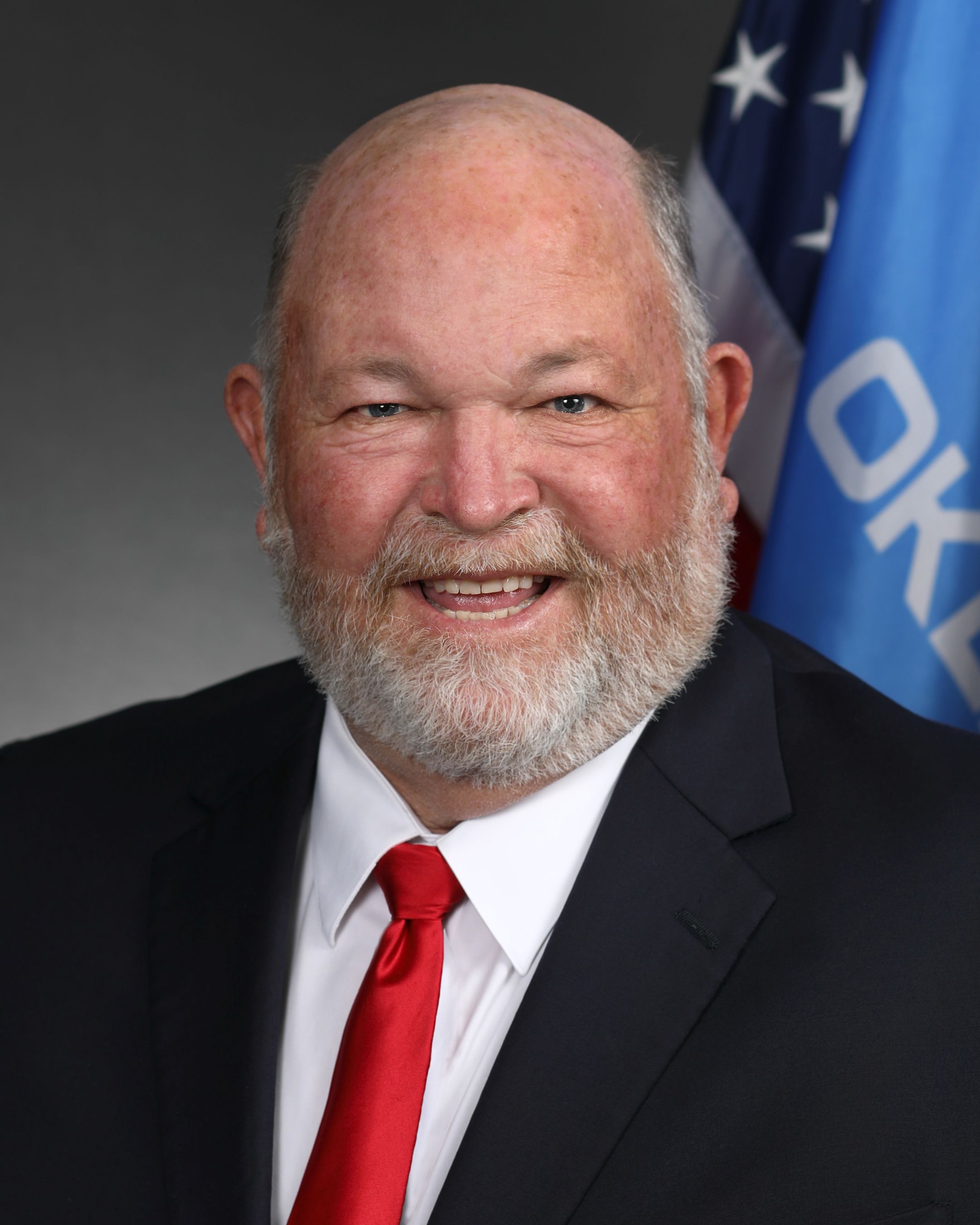
Bob Culver
Bob Culver House · District 4
R
Strong +
100% 3
Cody Maynard
Cody Maynard House · District 21
R
Strong −
0% 3
Denise Crosswhite Hader
Denise Crosswhite Hader House · District 41
R
Strong −
0% 3
Derrick Hildebrant
Derrick Hildebrant House · District 23
R
Strong −
0% 3
Gabe Woolley
Gabe Woolley House · District 98
R
Strong −
0% 3
Jim Olsen
Jim Olsen House · District 2
R
Strong −
0% 3
Showing 4 of 4 bills

All housing bills

in committee · Oklahoma · Senate Feb 3, 2026

SB 1478: Cities and towns; creating the Oklahoma Land Bank Act. Effective date. Emergency.

SB 1478 creates the "Oklahoma Land Bank Act," allowing cities, towns, and counties (municipalities) to establish land banks - entities that acquire, hold, and transfer vacant or underused land for redevelopment. Municipalities must create land banks via local ordinance, establishing boards of 5-11 members (with specific rules for appointments, terms, and conflicts of interest), and land banks gain tax exemptions on properties they hold. The bill outlines how land banks can acquire property (including through tax foreclosure), sell it under defined procedures, and operate under Oklahoma Open Meeting and Records Acts, while enabling school districts to participate via agreements. It directly affects municipalities seeking to revitalize blighted areas and landowners facing tax delinquency or foreclosure.
in committee · Oklahoma · House Feb 3, 2026

HB 3847: Revenue and taxation; foreclosure lien; unpaid taxes; population cap; effective date.

HB 3847 prevents the sale of single-family homes for unpaid property taxes in Oklahoma counties with over 100,000 residents, specifically protecting elderly or disabled homeowners. It requires homeowners aged 65+ or classified as totally disabled (with medical proof), living in their home (not renting it), earning below federal poverty income guidelines, and owning property valued under $180,000 to qualify for an exemption. Homeowners must apply annually to the county treasurer with proof of eligibility, though taxes, interest, and penalties continue to accrue during the exemption. The bill applies only to large counties (per 2020 Census) and takes effect November 1, 2026.
in committee · Oklahoma · House Feb 3, 2026

HJR 1064: Oklahoma Constitution; ad valorem; fair cash value of homestead; ballot title; filing.

This bill proposes a constitutional amendment to change Oklahoma's homestead property tax rules. Currently, seniors aged 65+ qualify for a tax limit on their primary home only if their household income stays below a yearly threshold set by the federal government. The amendment would eliminate that income requirement while keeping the age limit (65+) and adding a new rule: the homeowner must own the property free of any mortgage or debt. It would apply to seniors who meet these conditions and require voter approval through a state question.
vetoed · Oklahoma · House May 29, 2025

HB 2147: Cities and towns; Municipal Code Lien Enforcement Act of 2025; lien; violations; housing; building code; foreclosure; real property; effective date.

HB 2147 creates a new legal process for Oklahoma municipalities to place liens on non-owner-occupied properties for unpaid housing and building code violations, including fines, penalties, and enforcement costs. The bill allows cities to enforce these liens through judicial foreclosure, requiring property owners to pay the full "lien payoff" (including interest and fees) to avoid losing the property. It specifically excludes owner-occupied homes (such as homesteads or properties occupied by residents) from this enforcement. Municipal code liens rank above most other property claims but below tax liens, and the law establishes clear redemption procedures for owners seeking to retain their property.