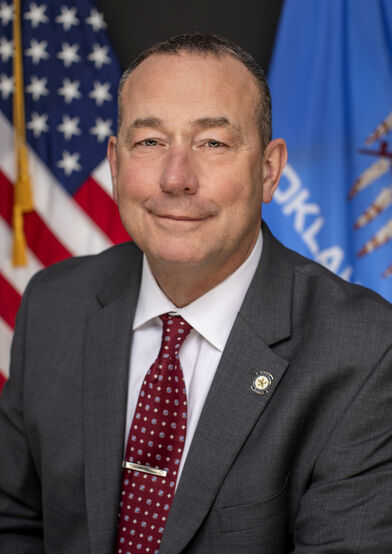
HB 2262 requires nursing homes, assisted living facilities, and other care providers marketing specialized dementia care to publicly disclose detailed information about their services. Facilities must submit a standardized form to Oklahoma's State Department of Health, covering staff ratios, care plans, facility design, activities, fees, and family involvement - ensuring transparency for residents and families considering placement. The bill mandates posting this disclosure online and in facilities, with the Department reviewing it during inspections. It directly affects dementia care providers and supports informed decisions by families seeking appropriate care.
HB 1224 allows certain minors to consent to specific health services without parental approval, including treatment for pregnancy, sexually transmitted infections, substance abuse, or sexual assault. Parents generally retain access to their minor child's medical records, but this right is limited when the minor uses the bill's self-consent provisions for the listed health conditions. Health professionals must make a reasonable attempt to notify parents for emergency care but are not required to inform them for most other services covered under the bill. The bill also protects health providers from liability when acting in good faith under these rules, ensuring minors' confidentiality in sensitive health matters.
HB 2584 allows physician assistants (PAs) in Oklahoma to prescribe and administer certain controlled substances under the supervision of a licensed physician, as specified in the Oklahoma Pharmacy Act and Physician Assistant Act. The bill clarifies that pharmacists may dispense these prescriptions only when written by a PA licensed in Oklahoma and supervised by an Oklahoma-licensed physician, and it modifies requirements for practice agreements between PAs and their supervising physicians. It also creates a 9-member Physician Assistant Committee with specific membership rules to oversee PA licensure and practice standards. The law directly affects PAs, supervising physicians, and pharmacists who dispense controlled substances. (Summary based on bill text amendments to Sections 353.1a, 519.2, and 519.3 of Oklahoma statutes.)
SB 804 requires Oklahoma assisted living centers to establish an internal quality assurance committee that meets quarterly. The committee must monitor incidents, resident satisfaction, and care quality - especially medication administration - and recommend policies, with membership including a registered nurse, administrator, direct care staff, and pharmacist as needed. The bill also updates existing rules to mandate monthly medication reviews by nurses/pharmacists, standardized resident screening, posting inspection results online, and individualized care plans. These changes directly affect all licensed assisted living centers in Oklahoma, effective November 1, 2025.
Oklahoma's SB 773 regulates pharmacy benefit managers (PBMs) by prohibiting unfair practices that affect independent pharmacies and patients. It requires PBMs to pay independent pharmacies the same reimbursement rate for identical drugs as they pay PBM-owned pharmacies, banning "spread pricing" where PBMs charge plans more than they pay pharmacies. The bill also prohibits PBMs from charging pharmacies fees for claim submission, network enrollment, or claims processing, and restricts retroactive payment reductions except for fraud or audit errors. These changes directly impact PBMs, pharmacies, and health plans operating in Oklahoma, aiming to ensure fairer payment practices. The bill was vetoed by the governor but overridden by the legislature on May 29, 2025.
HB 2048, the "340B Nondiscrimination Act," prohibits health insurers, pharmacy benefits managers (PBMs), and third-party payors from discriminating against healthcare providers participating in the federal 340B drug discount program. It specifically bans lower reimbursement rates for 340B drugs, extra fees or administrative burdens for 340B entities, exclusion from provider networks based on 340B status, and requirements to disclose 340B-specific billing details. The law applies to all 340B entities - such as community health centers and hospitals participating in the federal program - and ensures they receive equal treatment in billing, reimbursement, and network access. Enforcement is handled by the Attorney General, with the Oklahoma Medicaid program excluded from these provisions.
This bill requires Oklahoma health insurance plans to cover low-dose mammography screenings for breast cancer without cost-sharing (such as deductibles or copays). It mandates coverage once every five years for women aged 35-39 and annually for women 40 and older. The law also requires coverage for necessary diagnostic and supplemental breast exams, including those for high-risk cases like dense breast tissue. The policy takes effect November 1, 2025.
HB 1808, now law in Oklahoma, reforms health insurance prior authorization and step-therapy rules to improve patient access to medications. It requires insurers to grant exceptions to step-therapy protocols (where patients must try cheaper drugs first) if a medication is contraindicated, ineffective based on medical history, or causes harm - covering specific scenarios like prior adverse reactions or stability on a current treatment. The bill mandates insurers respond to urgent prior authorization requests within 24 hours and non-urgent requests within 2 business days, with requests deemed approved if deadlines are missed. It also ensures continuity of coverage for stable treatments when switching plans (90-day protection) and requires insurers to cover at least one readily available asthma controller medication per class without prior authorization.
SB 1135 allocates $100,000 from Oklahoma's General Revenue Fund to the Oklahoma Health Care Authority for the 2025-2026 fiscal year to support its operations. The bill declares an emergency to allow immediate implementation upon approval. This legislation provides specific funding for the Authority's duties without altering existing health insurance or tax policies.
SB 1141 allocates $100,000 from unallocated state general revenue funds to Oklahoma's Department of Mental Health and Substance Abuse Services for its existing statutory duties. The bill requires these specific funds to be used for mental health services without creating new programs or altering current service requirements. An emergency clause makes the law effective immediately upon passage, bypassing the typical governor's signature requirement. The bill became law on May 29, 2025, after being passed without gubernatorial action.