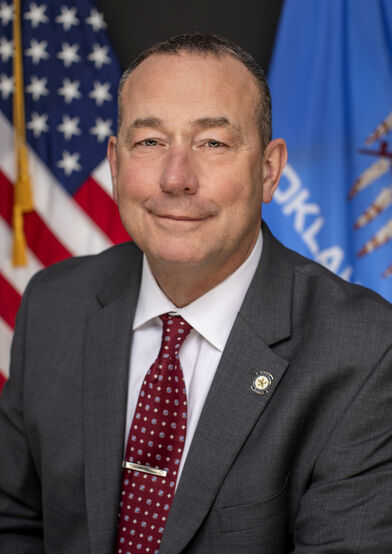
HB 4457 prohibits pharmacy benefits managers (PBMs) from owning or controlling pharmacy licenses in Oklahoma. The State Board of Pharmacy must revoke licenses of violators after November 2026, though it may issue temporary licenses for rare, orphan, or limited-distribution drugs until September 2028. Pharmacies must notify patients of service changes by January 2027, and the Board must provide lists of compliant pharmacies. This law prevents conflicts of interest by restricting PBMs from owning pharmacies.
This bill proposes a constitutional amendment to establish the "Tobacco Settlement Endowment Trust Fund" for Oklahoma's tobacco settlement funds. It requires that at least 75% of new tobacco settlement payments (after 2001) be deposited into this trust fund, with specific percentages increasing over time. The trust fund's earnings must be used for cancer research, tobacco prevention programs, children's health initiatives, senior care programs, and education-related expenses, with unused funds remaining in the trust. The amendment creates two governing boards to manage investments and allocate funds, and it would require voter approval before taking effect.
HB 4421 requires Oklahoma's Department of Human Services (DHS) to conduct a safety analysis within 24 hours when a child is suspected of being "drug-endangered" (e.g., due to fentanyl exposure or substance use by caregivers). It mandates drug screening - including mandatory fentanyl testing - for parents or caregivers when substance use is suspected, and allows DHS to seek court orders if consent is refused. The bill also creates a "Child Welfare Fentanyl Testing Revolving Fund" to cover testing costs and requires DHS to refer certain abuse/neglect cases to law enforcement. These provisions directly affect children in welfare cases, their caregivers, DHS staff, and local law enforcement agencies.
HB 3345 requires mandatory mental health, substance abuse, and risk screenings for individuals arrested on felony charges in Oklahoma after their initial court appearance. These screenings, conducted by certified professionals from the Department of Mental Health, must be shared with courts, prosecutors, defendants, and their attorneys. Results cannot be used as evidence in criminal trials unless the defendant waives this right, but may inform sentencing or diversion options. The law takes effect November 1, 2026.
HB 3645 amends Oklahoma's hospice care requirements to expand eligibility determination options when patients lack legal representatives. It allows hospice admission decisions by a licensed long-term care administrator (with 6 months oversight and two physician approvals), two physicians reviewing medical history, or a primary care physician managing care for six months. The bill maintains existing standards like 24/7 care, bereavement programs, and prohibitions on improper patient solicitation. It directly affects hospice providers and patients without appointed guardians, ensuring timely access to hospice services under defined criteria.
HB 3544 prohibits AI chatbots with human-like features (e.g., claiming sentience or seeking emotional bonds) from being available to minors under 18. It requires developers to implement age verification systems and offer alternative versions without such features for minors. Therapeutic chatbots providing mental health support are exempt if they include clear disclaimers, require professional oversight, provide clinical evidence of safety, and maintain transparency. Violations could result in civil penalties up to $7,500 per intentional violation, with minors or parents able to seek damages of $100-$750 per incident. The law takes effect November 1, 2026.
HB 3127 protects Oklahoma medical marijuana patients and caregivers from discrimination in employment, public assistance, and firearm ownership. It prohibits employers from refusing to hire, firing, or penalizing individuals solely for being a licensed medical marijuana user, and bars denial of Medicaid, SNAP, or firearm rights based on that status. However, the bill mandates a "zero-tolerance" policy for safety-sensitive jobs (like operating vehicles, handling hazardous materials, or direct patient care), allowing employers to enforce drug testing and discipline for marijuana use at work. Employers may still maintain written drug testing policies under state standards, but cannot deny employment based solely on medical marijuana license status or a positive test if the user is licensed and not impaired at work.
HB 2361, the "Successful Adulthood Act," requires Oklahoma's Department of Human Services to provide foster youth aged 14 and older with a "Notice of Rights" explaining their legal protections. It mandates that youth transitioning out of foster care at age 18 receive essential documents, including birth certificates, Social Security cards, medical records, and educational transcripts, to support independent living. The bill extends eligibility for transition services, including housing, education, and Medicaid coverage, until age 21 for those in foster care due to abuse or neglect. It also requires the Department to provide information about college financial aid programs to foster youth and their guardians. These provisions aim to improve stability and self-sufficiency for young adults aging out of foster care.
HB 3052 requires Oklahoma's Department of Human Services (DHS) to initiate a mandatory "enhanced child safety review" when a parent has two or more drug-exposed infants (born positive for drugs or with drug-positive mothers) within five years. This triggers DHS to notify qualified family members (like grandparents or aunts/uncles without abuse history) about safety planning and placement options, while hospitals must report drug-positive births to enable statewide tracking. The bill prevents DHS from withholding notification solely due to confidentiality concerns when child safety is at risk and explicitly prohibits criminalizing pregnancy or substance use disorder. It affects DHS, hospitals, courts, and families by mandating coordinated responses to prevent repeat harm, based on the case of Sir Major White-Bullock.
HB 3587 allows Oklahoma courts to order outpatient mental health treatment instead of hospitalization for eligible individuals, prioritizing community-based care when it meets treatment needs and prevents harm to the person or others. The bill requires certified community mental health centers to develop treatment plans in collaboration with the individual, advocates, and their treatment team, which must be approved by the court. Courts must review these plans at least every 90 days through status hearings (with 72-hour notice), prohibit forced medication administration, and allow modifications or extensions if needed. This law directly affects individuals under court-ordered outpatient treatment and mental health providers, ensuring structured oversight while preserving patient rights.