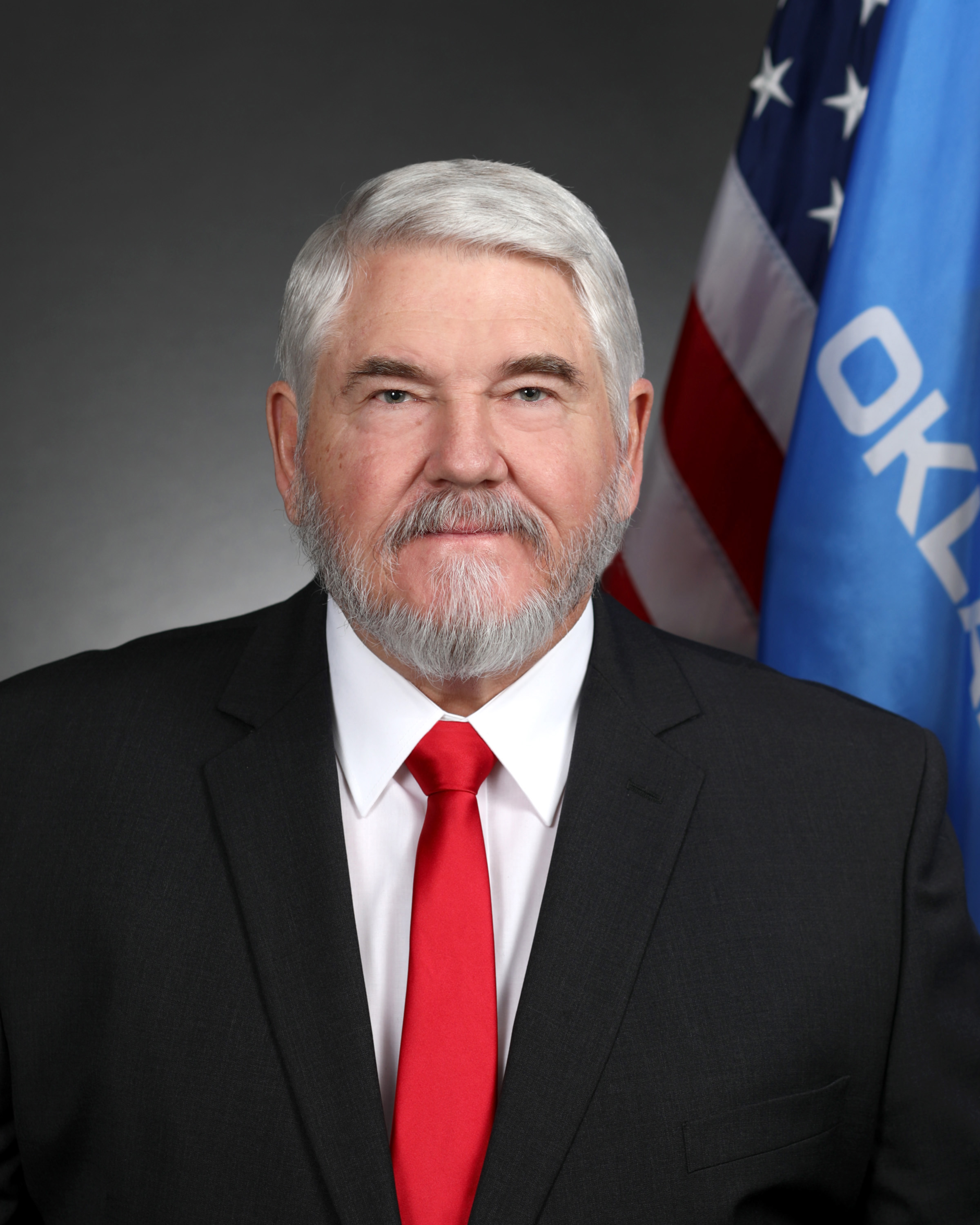
This bill updates Oklahoma's teledentistry rules, requiring dentists to hold an Oklahoma license when diagnosing or treating patients remotely within the state and mandating that all teledentistry records be maintained in Oklahoma or within 50 miles of its border. It also expands the Oklahoma Dental Loan Repayment Program, offering up to $60,000 annually for five years to dentists who agree to provide care to Medicaid patients (at least 30% of their practice) and serve in designated underserved areas (with exemptions for specialists and FQHC providers). The program prioritizes new dental graduates, particularly from the University of Oklahoma, and requires participants to teach at the University of Oklahoma College of Dentistry if selected as faculty. The law aims to increase dental access in rural and underserved communities while ensuring Medicaid-dependent patients receive care.
HB 1831 creates Oklahoma's first formal certification system for community health workers, establishing voluntary certification through the State Department of Health. It defines key terms, sets eligibility (Oklahoma residency, 18+ years old, U.S. residency, and 1,000 hours work experience option), and requires the Department to set standards, exams, and fees. The law specifically enables certified workers to serve as health liaisons, identify service gaps, and build community health capacity - while also authorizing partnerships with faith-based organizations for outreach. The certification becomes effective November 1, 2025, and does not require mandatory certification for workers.
HB 2033 creates a revolving fund called the "Community Health Center Access to Care Revolving Fund" within Oklahoma's State Department of Health. The fund, not limited by fiscal years, will use appropriated monies to increase access to care at federally authorized community health centers (as defined under 42 U.S.C. §330). The Department of Health can spend these funds to support such centers, with expenditures requiring State Treasurer warrants based on approved claims. The bill takes effect July 1, 2025, and was declared an emergency to allow immediate implementation.
HB 2379, the "Doran Act of 2025," requires all health spas in Oklahoma to have at least one automated external defibrillator (AED) on their premises. This applies to businesses offering fitness services like gyms, spas, martial arts schools, university fitness centers, and country clubs. The law mandates AEDs be accessible to staff and guests, with unstaffed locations needing visible signage showing the AED’s location and CPR instructions. Health spas cannot be sued over AED use unless they failed to purchase one or acted with gross negligence, and non-compliance makes service contracts voidable for customers. The law takes effect November 1, 2025.