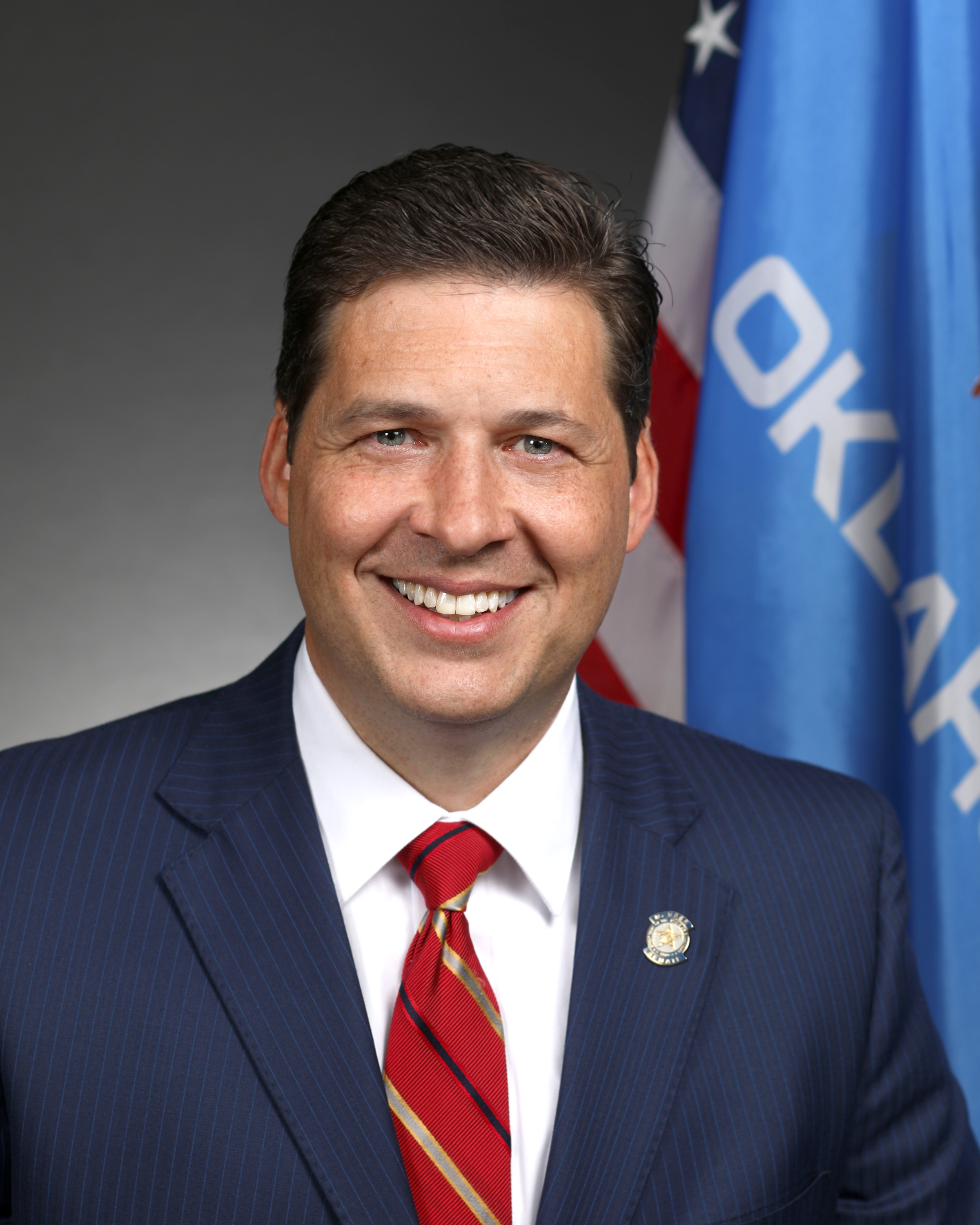
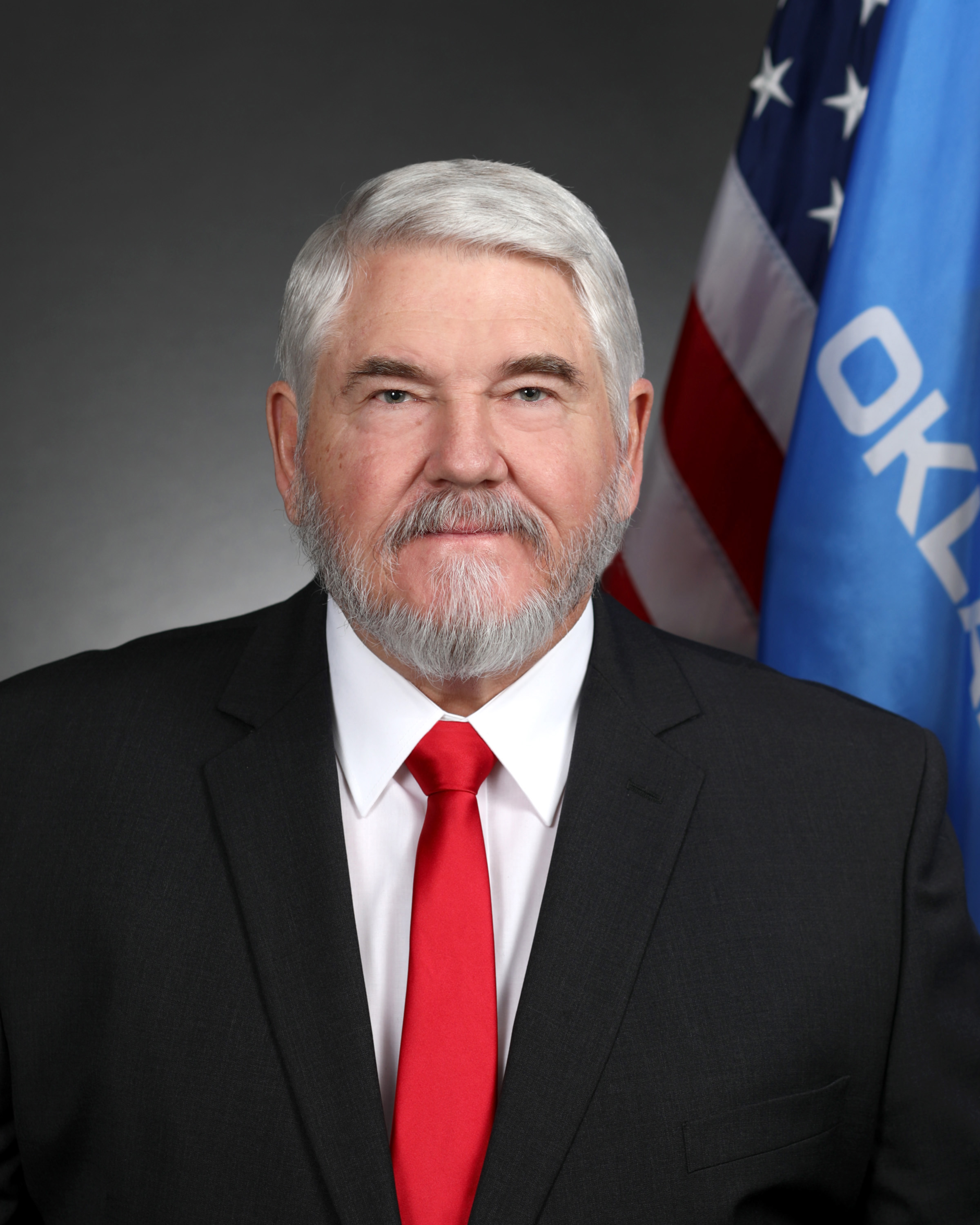
This bill approves specific permanent rules proposed by the Oklahoma Medical Marijuana Authority, which will govern how medical marijuana is regulated in the state. By signing off on these rules, the legislature allows the authority to enforce new guidelines for medical marijuana programs. The resolution also instructs the Secretary of State to send copies of the approved rules to the Governor and the editor of The Oklahoma Register.
HB 4423 requires the Oklahoma Health Care Authority to verify the immigration status of all Medicaid applicants using the federal SAVE system (or its successor) before approving benefits. It specifically mandates that the Authority notify U.S. Immigration and Customs Enforcement (ICE) if an applicant's status cannot be verified as lawful. This applies to all applicants, including adults applying for child-only Medicaid benefits on behalf of a child. The bill takes effect October 1, 2026, and does not change Medicaid eligibility criteria but adds a verification step for immigration status.
SB 1425 repeals three existing Oklahoma statutes related to health care workforce programs: 70 O.S. 2021 §2640 (Oklahoma Health Care Workers and Educators Assistance Program) and 74 O.S. 2021 §§3200.1-3200.2 (Health Care Workforce Resources Act). This bill eliminates the legal framework for these specific programs, which previously provided assistance to health care workers and educators. The repeal takes effect on November 1, 2026, and directly affects the administrative structure and operations of those programs. No new provisions or funding are created; the bill solely removes the existing laws.
HB 3644 (the Blake Burgess Act) requires hospitals with emergency departments and ambulatory surgical centers to implement standardized VTE (venous thromboembolism, or blood clot in veins) risk assessments for patients using nationally recognized tools and provide annual training to non-physician clinical staff. It mandates a statewide VTE registry managed by a private, nonprofit entity meeting specific criteria, which hospitals must report to starting July 2027 with data including patient age, zip code, sex, diagnosis details, and treatment. The registry collects information to improve VTE care quality, monitor outcomes, and inform state health reports, with hospitals required to submit data on VTE incidence, patient demographics, and treatment. The law directly affects hospitals, ambulatory surgical centers, and their clinical staff through new screening, training, and reporting obligations.
HB 3834, the "Oklahoma Breakthrough Therapy Act," establishes a framework for ibogaine clinical trials in Oklahoma. It requires drug developers to match state funding for trials, provide detailed plans for FDA approval and post-approval patient access (including priority for state residents and low-income care), and share intellectual property proceeds with the state. These proceeds fund an "Ibogaine Intellectual Property Account" managed by the State Treasurer, which must be spent on programs for at-risk populations with conditions treatable by ibogaine (like opioid use disorder). The bill also protects Oklahoma-licensed medical professionals from adverse licensing actions for recommending ibogaine therapy.
HB 3767 adds specific synthetic drugs and substances to Oklahoma's Schedule I and IV of controlled dangerous substances under state law. It directly affects anyone possessing, distributing, or using the newly listed compounds, including various fentanyl analogs (like para-fluorofentanyl), synthetic hallucinogens (like psilocybin and salvia), and other novel psychoactive substances. The bill amends Oklahoma's Controlled Dangerous Substances Act by expanding the official lists in Schedule I (substances with no medical use and high abuse potential) and Schedule IV (substances with accepted medical use but potential for abuse). This creates new legal prohibitions for these substances without requiring additional medical or legal exceptions.
HB 4294 requires health insurers in Oklahoma to provide equal coverage for epilepsy as for other conditions, prohibiting termination or non-renewal of policies solely due to an epilepsy diagnosis. It mandates coverage for seizure prevention devices, surgeries, or medical procedures prescribed by an epilepsy specialist when medically necessary to reduce SUDEP (sudden unexpected death in epilepsy) risk. The law applies to all individual and group health insurance plans covering medical/surgical benefits and takes effect November 1, 2026. This directly affects epilepsy patients and insurers offering such coverage in Oklahoma.
HB 2749 creates a special fund called the Intergenerational Education Revolving Fund within the Oklahoma Health Care Authority. It establishes a competitive grant program to connect nursing facilities participating in Oklahoma's Medicaid program with public school districts for collaborative intergenerational education initiatives. Grant awards, provided as rate adjustments to qualifying facilities, will fund these partnerships. The program begins July 1, 2025, with funds limited to the total amount deposited into the revolving fund.
HB 3016 requires Oklahoma schools to provide binocular vision screenings for students in kindergarten, first, and third grades to identify convergence insufficiency (a vision disorder affecting near focus). Screenings, conducted within 30 days of the school year start by trained school nurses or vision professionals, must be performed in addition to existing vision screenings. The bill establishes a Binocular Screening Revolving Fund in the state treasury to cover program costs using state appropriations, which must supplement - rather than replace - current school vision funding. The program begins in the 2026-2027 school year.
HB 3066 creates the Health Care Workforce Training Commission and establishes the "Rural Health Transformation Revolving Fund" in Oklahoma's state treasury. The fund will collect federal funds (including those from the One Big Beautiful Bill Act of 2025), interest, and designated state monies to specifically recruit and retain healthcare workers in rural and underserved Oklahoma communities, requiring a minimum 5-year service commitment. The Commission can use these funds for workforce programs and create necessary rules to implement the program. The bill takes effect July 1, 2026, and directly affects rural healthcare providers and communities facing workforce shortages.