Issue · Environment

Environment

Every environment bill, vote, and legislator stance in Oklahoma, automatically classified by Maddy, our AI policy reader.

Total bills
126
2026 Regular Session
Top supporter
Brenda Stanley
88% support rate
Top opponent
Dusty Deevers
19% support rate
Ranked legislators
10
5 support · 5 oppose
Key legislators

Who's moving environment in Oklahoma

Legislators moving environment in Oklahoma
Legislator Party Stance Support rate Votes
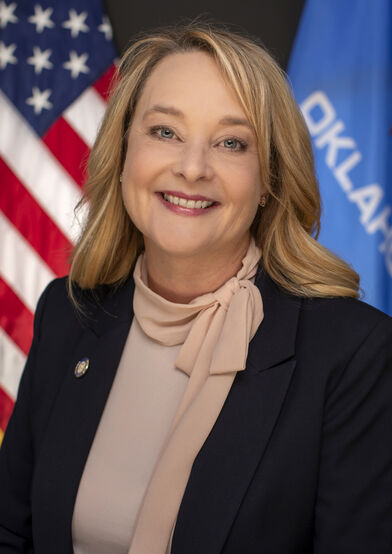
Brenda Stanley
Brenda Stanley Senate · District 42
R
Strong +
88% 62
Darcy Jech
Darcy Jech Senate · District 26
R
Strong +
87% 65
Lonnie Paxton
Lonnie Paxton Senate · District 23
R
Strong +
86% 53
Aaron Reinhardt
Aaron Reinhardt Senate · District 37
R
Strong +
85% 65
Avery Frix
Avery Frix Senate · District 9
R
Strong +
84% 77
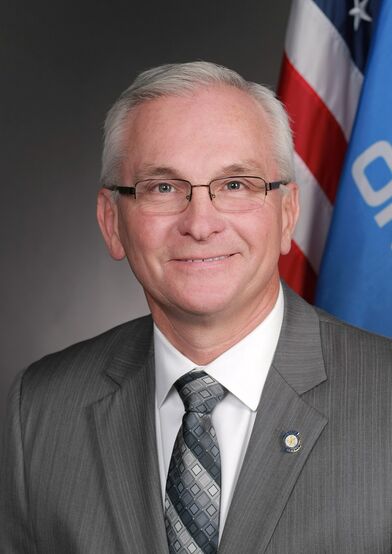
Dusty Deevers
Dusty Deevers Senate · District 32
R
Strong −
19% 69
Rick West
Rick West House · District 3
R
Strong −
20% 91
Jim Shaw
Jim Shaw House · District 32
R
Strong −
20% 76
Tom Gann
Tom Gann House · District 8
R
Oppose
21% 69
Lisa Standridge
Lisa Standridge Senate · District 15
R
Oppose
22% 61
Showing 81–90 of 126 bills

All environment bills

in committee · Oklahoma · Senate Feb 10, 2025

SB 280: Feral swine; creating the Feral Swine Eradication and Control Grant Program. Effective date.

SB 280 creates Oklahoma's Feral Swine Eradication and Control Grant Program to help landowners and landless owners manage invasive feral swine populations. The program provides grants for equipment, education, and services to control or remove feral swine, with a maximum funding cap of $500,000 from state appropriations and other sources. The Oklahoma Department of Agriculture will administer the program in collaboration with wildlife agencies, while offering liability protection for the department (except in cases of gross negligence) and permitting exemptions for participants. This direct policy change enables affected landowners to access resources for managing feral swine, a significant agricultural and ecological threat in Oklahoma.
Sub-Topics Wildlife
signed · Oklahoma · Senate Apr 23, 2025

SB 448: Wildlife; requiring nonresident hunters to receive permission from the Oklahoma Wildlife Conservation Commission to use Wildlife Management Areas. Effective date.

SB 448 requires nonresident hunters to obtain written permission from the Oklahoma Wildlife Conservation Commission before using Wildlife Management Areas. This affects out-of-state hunters who previously could access these areas without prior authorization. The bill mandates the Commission to create a lottery system for distributing permits and sets penalties: fines of $100-$1,000 or up to 30 days in jail for violations, with repeat offenses suspending hunting privileges. The law takes effect November 1, 2025, and amends Oklahoma Statutes Section 7-304.
Sub-Topics Conservation Wildlife
in committee · Oklahoma · Senate Feb 4, 2025

SB 720: Fish and wildlife; limiting number of quail to be harvested each day. Effective date.

SB 720 limits the daily harvest of quail to seven birds for licensed hunters in Oklahoma. It directly affects individuals hunting quail for sport, while exempting commercial hunting areas that operate under specific licenses. The bill requires the Oklahoma Wildlife Conservation Commission to enforce this daily limit, codifying it into state law under Title 29, Section 5-401.1. The rule takes effect on November 1, 2025.
Sub-Topics Conservation Wildlife
in committee · Oklahoma · Senate Feb 4, 2025

SB 271: Environment and natural resources; creating the Oklahoma Perfluoroalkyl and Polyfluoroalkyl Substances Act; providing application, liability, and fee assessment for certain waste disposal. Emergency.

SB 271 creates Oklahoma's first state-level regulatory framework for perfluoroalkyl and polyfluoroalkyl substances (PFAS), focusing on waste disposal. It protects specific entities like public water systems, wastewater treatment facilities, fire departments using PFAS-containing AFFF foam, and airports from civil liability for PFAS releases - unless they violated regulations or acted with gross negligence. The bill requires the Environmental Quality Board to establish rules for PFAS waste handling, mandates fees for disposal (replacing tonnage fees), and requires permits for facilities processing over 200 pounds of AFFF waste daily. It also sets standards for classifying out-of-state PFAS waste and declares an emergency to expedite implementation.
signed · Oklahoma · Senate May 29, 2025

SB 132: Corporation Commission; clarifying jurisdiction of Corporation Commission; directing operators of idle gas wells to plug or produce from certain wells by certain time. Emergency.

SB 132 requires oil and gas operators in Oklahoma to plug or resume production from idle gas wells that have not produced gas for 10 or more consecutive years. Operators with wells idle for 20+ years must reduce idle wells by 25% by 2028, 50% by 2031, and fully plug all remaining by 2035. Newer idle wells (less than 20 years idle) have a 10-year window from the law's effective date to plug or produce. Operators may request exceptions for future uses like carbon storage or geothermal energy, but must prove "good cause" to the Corporation Commission. The bill defines "idle gas wells" as non-producing wells with no commercial gas sales for 10+ years and no valid future use plan.
died · Oklahoma · Senate May 30, 2025

SB 263: Invasive species; expanding provisions of the Terry Peach Water Restoration Act. Effective date.

SB 263 expands Oklahoma's Terry Peach North Canadian Watershed Water Restoration Act to address harmful woody species like Eastern Redcedar and salt cedar. It creates a revolving fund for water restoration, allowing cost-sharing with landowners, state agencies, and nonprofits for removal methods such as prescribed burns and herbicides. The bill mandates the Oklahoma Conservation Commission to manage the program across at least three project areas in the North Canadian Watershed, focusing on improving water flow, reducing wildfire risks, and restoring grazing lands. It updates definitions, expands eligible participants, and requires studies comparing treated and untreated watersheds. The policy directly affects landowners and local entities managing watersheds in the North Canadian River basin.
failed · Oklahoma · Senate May 14, 2026

SB 2: Wind energy; providing setback requirements for certain affected counties; waiver; referral of question to eligible voters; zoning; construction; exemptions; database.

SB 2 establishes new setback requirements for wind energy facilities in Oklahoma, effective November 1, 2025. It requires wind turbines to be at least one-quarter nautical mile from homes and neighboring property (previously 1.5 miles from schools/hospitals), and mandates that projects near military installations must obtain a Federal Aviation Administration "Determination of No Hazard" and resolve Department of Defense impacts before construction. Developers who fail to comply face daily penalties of up to $1,500 per violation. The bill directly affects wind energy developers, landowners, and communities near proposed sites, with specific rules for military compatibility and dispute resolution.
Sub-Topics Wind
died · Oklahoma · House Feb 25, 2026

HB 2100: Environment and natural resources; Conservation Commission Cost-Share Program; eminent domain; effective date.

HB 2100 exempts private lands enrolled in Oklahoma's Conservation Commission Cost-Share Program from eminent domain, meaning the government cannot take these lands for public projects without the landowner's consent. This protection applies to all lands in the program, with exceptions only for projects deemed essential to public health and safety. The bill, effective November 1, 2025, directly affects landowners participating in the Cost-Share Program by safeguarding their property rights during conservation efforts. It codifies this exemption into Oklahoma Statutes (Section 3-3-118 of Title 27A) to ensure long-term stability for conservation initiatives.
Sub-Topics Conservation
in committee · Oklahoma · Senate Feb 9, 2026

SB 1393: Income tax credit; creating the RESTORE Act; providing credit for certain adaptive reuse projects. Effective date. Emergency.

SB 1393, the RESTORE Act, creates a 50% tax credit for developers converting old, vacant commercial buildings (over 50 years old, vacant for 3+ years, and not eligible for historic tax credits) into residential housing. It directly affects property owners or developers who undertake "adaptive reuse" projects, covering extra renovation costs like environmental cleanup, code compliance, and infrastructure upgrades. The credit is capped at $5 million annually (2027-2037), requires 20% of units to be affordable for 10 years, and allows unused credit to carry forward to future tax years. Projects must meet specific affordability and location criteria, with annual reports tracking housing units and economic impact.
signed · Oklahoma · Senate May 29, 2026

SB 1319: Corporation Commission; processes for cities and counties to seek certain reimbursement; fair market value; requiring application to request use of certain funds; creating the Remediation Assistance Revolving Fund. Emergency.

SB 1319 creates a dedicated "Corporation Commission Plugging Fund" to address environmental and safety issues from oil and gas operations. The fund must maintain $5 million, with additional taxes collected if it falls below this level until replenished (effective until July 2031). It establishes a new program allowing homeowners contaminated by brine or oil from *abandoned wells* (as defined by law) to apply for financial assistance from the fund without needing prior insurance claims. The Corporation Commission will determine assistance amounts and create rules to manage applications and verify contamination sources.
Showing 81 to 90 of 126 bills
Previous 1 8 9 10 13 Next