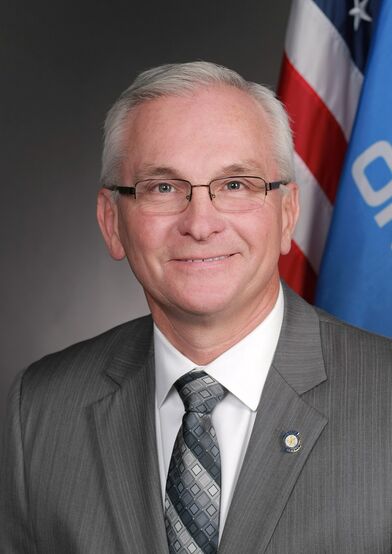
HB 4428 requires Oklahoma's pension benefit plans (like state retirement funds) to vote on shareholder proposals solely based on financial impact, banning consideration of environmental, social, or political goals. It mandates that pension boards base all voting decisions on "pecuniary factors" (financial risk/return) to maximize shareholder value, and prohibits proxy advisors from providing recommendations that include non-financial considerations. Boards must annually report all votes, including their decision, management's stance, and any proxy advisor's recommendation, publishing the report online by March 1 each year. The law applies to all state pension systems and takes effect November 1, 2026.
HB 4340 would add a sales tax exemption for the sale of "frack water" (wastewater from oil and gas extraction) in Oklahoma. This exemption would directly affect oil and gas companies and vendors selling this wastewater, eliminating the sales tax on such transactions. The bill amends Oklahoma's sales tax code to include this specific exemption under existing tax exemption categories. The policy change would reduce tax burdens for businesses involved in handling oil and gas extraction wastewater. The bill is currently pending in the Appropriations and Budget Natural Resources Subcommittee.
HB 2037 removes specific energy conservation rules from Oklahoma law by repealing Sections 456, 457, and 458 of Title 19 O.S. 2021 and Section 5-131.2 of Title 70 O.S. 2021. This bill eliminates existing statutory requirements related to energy conservation without creating new provisions. It takes effect on November 1, 2025, after being approved by the governor on May 9, 2025. The repeal directly affects the legal framework governing energy conservation in Oklahoma, removing these specific sections from the state code.
HB 2142 requires wind energy facility owners to ensure new construction or modifications do not harm military operations near installations. It mandates that owners submit FAA applications to the Oklahoma Military Department within 30 days and obtain a "determination of no hazard" from the FAA or resolve military impacts via the federal Clearinghouse. The bill prohibits projects that could interfere with military training routes, drop zones, runways, or defense airspace, with owners facing $1,500 daily fines for non-compliance. Confidential documentation shared with the Military Department cannot be disclosed publicly under Oklahoma law.
HB 2043 requires Oklahoma state agencies to verify that companies receiving contracts worth $100,000+ (with 10+ full-time employees) do not boycott energy companies. It mandates written verification from contractors that they will not boycott energy providers during the contract term. The law excludes contracts related to debt management or if alternative services aren't available from non-boycotting companies. This policy directly affects state agencies and qualifying businesses entering major public contracts.
SB 460 establishes natural gas as the preferred fuel source for new fossil fuel electricity generation facilities in Oklahoma, requiring all new plants built after July 1, 2025, to use natural gas unless a generator can demonstrate to regulators that another fossil fuel better serves consumers. The bill amends Oklahoma law to create a "natural gas energy standard" that supplements renewable energy goals, specifically targeting new construction and added capacity at existing fossil fuel plants. This policy directly affects electricity generators planning new facilities or expansions, shifting the default fuel choice from other fossil fuels to natural gas. The law takes effect July 1, 2025, and was enacted as an emergency measure.