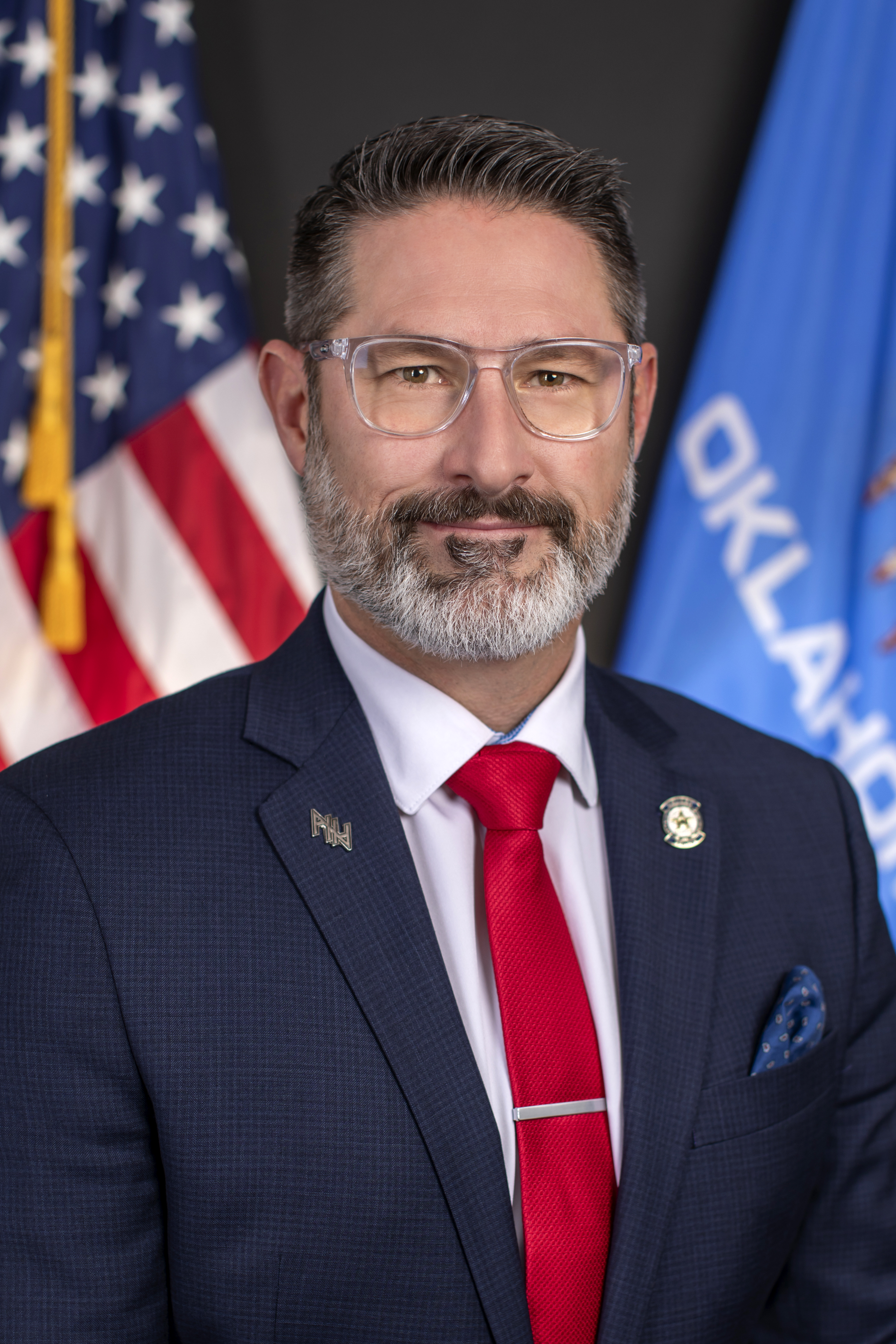
HB 2162 creates the "Terry Peach North Canadian Watershed Water Restoration Act" to establish a pilot program for removing harmful woody species like Eastern Redcedar and salt cedar in Oklahoma's North Canadian Watershed. The Oklahoma Conservation Commission will administer the program using a new revolving fund, which can receive state, federal, and private funds, to cost-share with landowners for removal methods like prescribed burns and herbicides. The program aims to improve water flow into the North Canadian River, reduce wildfire risks, protect grazing lands, and restore wildlife habitat by targeting specific invasive plant species. The bill also designates two active project areas (above and below Canton Lake) and requires the Commission to measure species density, create comparison studies, and develop grant programs with local groups. The fund becomes effective November 1, 2025, but the bill died in conference committee on May 30, 2025.
HB 1543 expands the Oklahoma Conservation Commission's authority to coordinate conservation efforts, specifically adding requirements to include tribal governments in its work and removing restrictions on the Conservation District Consolidation Fund. The bill allows the Commission to enter contracts with tribes, federal agencies, counties, and other entities to administer statewide conservation programs and secure funding. It directly affects Oklahoma's 157 conservation districts, tribal governments, and state agencies collaborating on resource conservation. The key change requires the Commission to actively coordinate with tribes and manage funds for district programs, while maintaining its existing role in supporting local conservation planning and reporting.
HB 1807 requires all Oklahoma groundwater permit holders to install approved metering systems (like telemetry devices) to track water usage, starting November 1, 2025. It creates a "five-year flex allocation" system beginning January 1, 2026, allowing permit holders to adjust annual usage within a basin's total limit - without needing new permits - but capping yearly excess at 200% of their annual allocation over the five-year period. The bill directly affects agricultural and commercial water users with groundwater permits, excluding domestic wells. It aims to standardize usage reporting and encourage conservation through structured, measurable water allocation.
SB 269, now law after Governor approval on May 20, 2025, gives Oklahoma's Corporation Commission exclusive authority over CO2 sequestration facilities and storage units, including Class VI injection wells. It updates rules for facility authorization, requires specific notice procedures for owners, and creates a revolving fund for carbon sequestration projects funded by fees. The bill directly affects companies building CO2 storage facilities and the Corporation Commission, which now manages permits, inspections, and fee collection for these operations. Key changes include defining CO2 storage unit ownership requirements, establishing a process for facility modifications, and allowing appeals of Commission decisions to the Supreme Court.
HB 1205 repeals Oklahoma's tax credit for small wind turbine installations by removing Section 2357.32B from the state's tax code. This change directly affects small wind turbine owners and installers who previously qualified for the credit. The repeal takes effect on November 1, 2025, eliminating the tax incentive for new installations after that date. The bill is procedural and does not create new policy, only removing an existing tax provision.
HB 2037 removes specific energy conservation rules from Oklahoma law by repealing Sections 456, 457, and 458 of Title 19 O.S. 2021 and Section 5-131.2 of Title 70 O.S. 2021. This bill eliminates existing statutory requirements related to energy conservation without creating new provisions. It takes effect on November 1, 2025, after being approved by the governor on May 9, 2025. The repeal directly affects the legal framework governing energy conservation in Oklahoma, removing these specific sections from the state code.
HB 2142 requires wind energy facility owners to ensure new construction or modifications do not harm military operations near installations. It mandates that owners submit FAA applications to the Oklahoma Military Department within 30 days and obtain a "determination of no hazard" from the FAA or resolve military impacts via the federal Clearinghouse. The bill prohibits projects that could interfere with military training routes, drop zones, runways, or defense airspace, with owners facing $1,500 daily fines for non-compliance. Confidential documentation shared with the Military Department cannot be disclosed publicly under Oklahoma law.
HB 2096 creates a state wildlife habitat program allowing private landowners to enter contracts with Oklahoma’s Wildlife Conservation Department for habitat development projects. Landowners must cover all project costs, and their enrolled land is protected from government seizure (eminent domain) during the contract term and for five years after completion. Landowners may cancel contracts at any time but must repay all state funds used for habitat improvements before cancellation. The program explicitly states the state bears no liability for damages, and the Department may charge participation fees.
HB 1817 creates the Oklahoma Water Resources Board Well Driller and Pump Installer Program to license professionals and prevent groundwater pollution. It requires well drillers and pump installers to meet training standards, partners with Oklahoma's Tier 1 research universities to develop groundwater workforce training, and establishes a revolving fund for program funding. The bill directly affects well drillers, pump installers, and groundwater industry professionals by mandating licensing and providing skills-based training. It aims to address groundwater protection through standardized practices and workforce development, effective November 1, 2025.
HB 2402 would create tax breaks and grants to attract manufacturers of low-temperature waste heat electrification technology (recovering heat below 200°C) to Oklahoma. Companies investing $10 million+ with 50+ new jobs would get up to 30% corporate tax breaks for five years (renewable), while larger investments ($20 million+ with 100+ jobs) qualify for 50% breaks. The state would cap annual spending at $8 million, with unused funds rolling over, and prioritize grants for facilities in economic development zones or energy-sector projects. Manufacturers must meet specific technology standards, submit job/investment plans, and report annually on progress to the Oklahoma Department of Commerce.