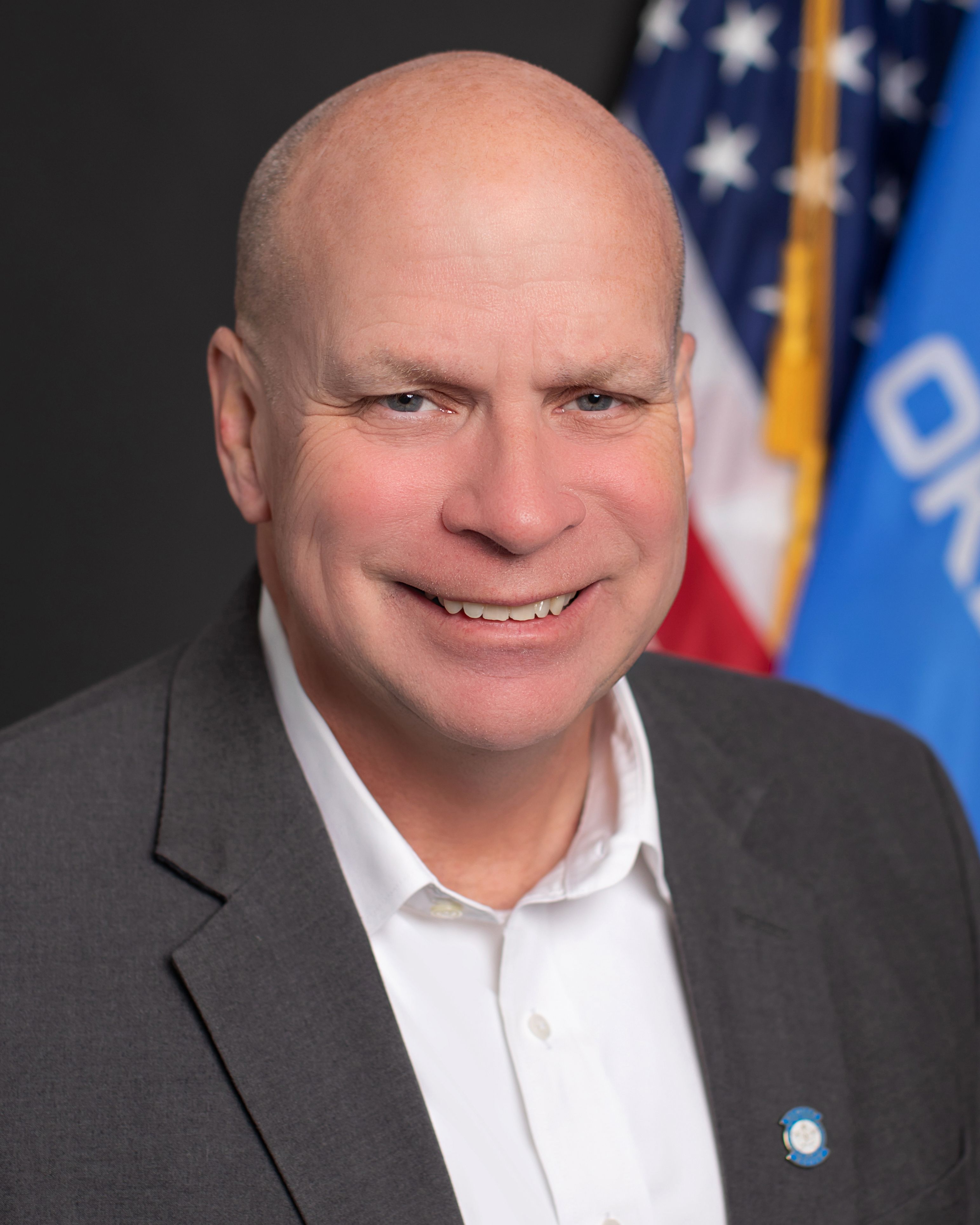
Key legislators
Who's moving energy in Oklahoma
Showing 21–23 of 23
bills
All energy bills
HB 2751 proposes setback requirements for wind energy towers in Oklahoma counties with specific population density (>8.5 people/sq mile) or low wind speed (<9.5 mph). It requires towers to be placed at least 2.5 times their tip height or 1/4 mile from nearby properties, whichever is greater, and allows counties to vote to waive this requirement via referendum every five years. The Oklahoma Corporation Commission must maintain a public database tracking which counties have active setback rules. The bill failed in the Energy Committee on April 24, 2025, and remains pending. This would directly affect property owners and wind energy developers in designated counties.
HB 2402 would create tax breaks and grants to attract manufacturers of low-temperature waste heat electrification technology (recovering heat below 200°C) to Oklahoma. Companies investing $10 million+ with 50+ new jobs would get up to 30% corporate tax breaks for five years (renewable), while larger investments ($20 million+ with 100+ jobs) qualify for 50% breaks. The state would cap annual spending at $8 million, with unused funds rolling over, and prioritize grants for facilities in economic development zones or energy-sector projects. Manufacturers must meet specific technology standards, submit job/investment plans, and report annually on progress to the Oklahoma Department of Commerce.
HB 2747 allows Oklahoma electric utilities regulated by the Corporation Commission to recover specific costs through rate adjustments. It creates mechanisms for utilities to seek recovery of costs for: (1) transmission upgrades supporting wind generation (approved by Southwest Power Pool before 2013), (2) capital expenditures needed to comply with environmental laws (like Clean Air Act), and (3) new generation facilities or power contracts after considering reasonable alternatives through competitive bidding. The bill requires the Corporation Commission to review these cost recovery requests within set timelines (180-240 days) and mandates a rate review within 24 months of cost recovery initiation. This directly affects regulated utilities and impacts electricity rates for Oklahoma consumers.