Issue · Criminal Justice

Criminal Justice (Human Trafficking)

Every criminal justice bill, vote, and legislator stance in Oklahoma, automatically classified by Maddy, our AI policy reader.

Total bills
11
2026 Regular Session
Top supporter
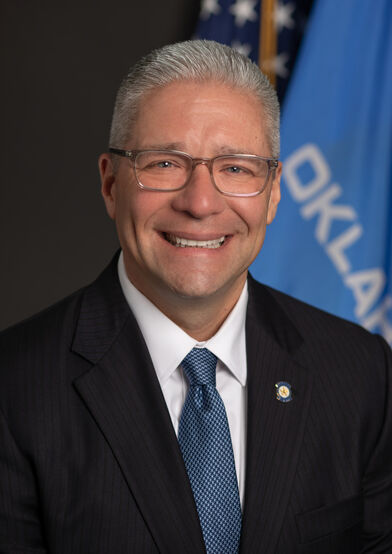
Michael Brooks
100% support rate
Top opponent
Darcy Jech
0% support rate
Ranked legislators
10
5 support · 5 oppose
Key legislators

Who's moving human trafficking in Oklahoma

Legislators moving human trafficking in Oklahoma
Legislator Party Stance Support rate Votes
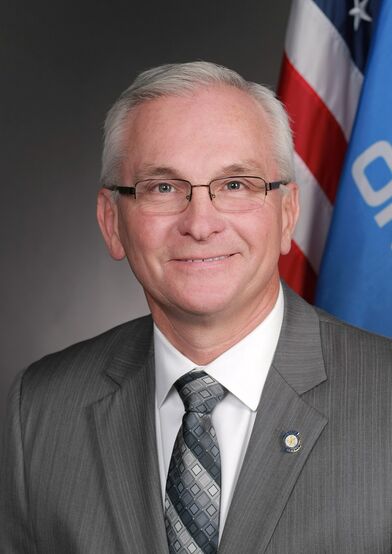
Michael Brooks
Michael Brooks Senate · District 44
D
Strong +
100% 8
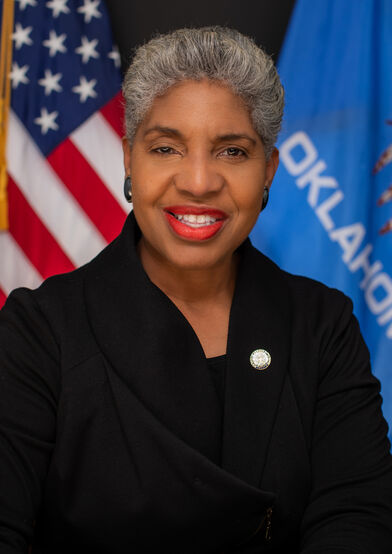
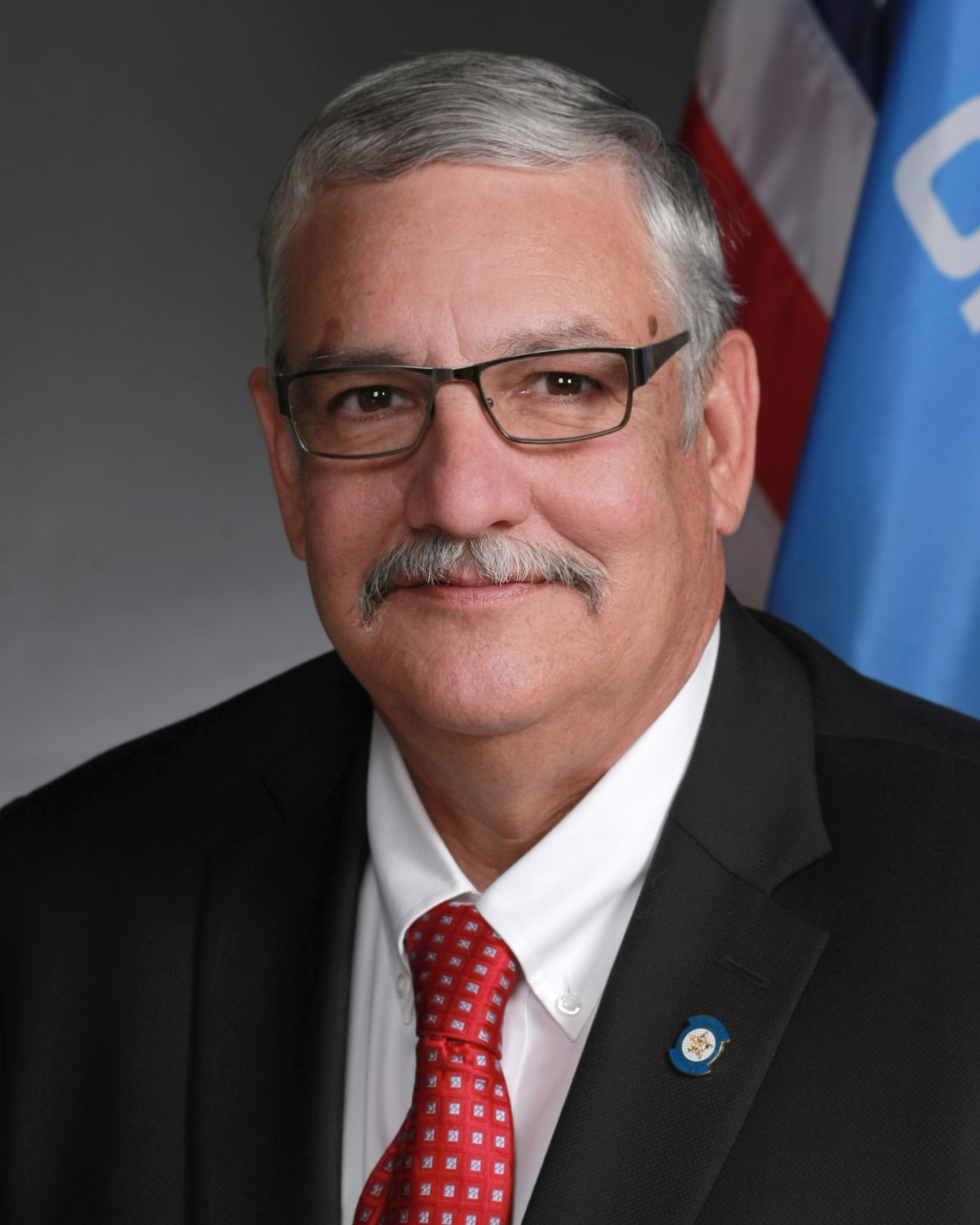
Regina Goodwin
Regina Goodwin Senate · District 11
D
Strong +
100% 6
Jacob Rosecrants
Jacob Rosecrants House · District 46
D
Strong +
100% 4
Carri Hicks
Carri Hicks Senate · District 40
D
Strong +
100% 3
Julia Kirt
Julia Kirt Senate · District 30
D
Strong +
100% 3
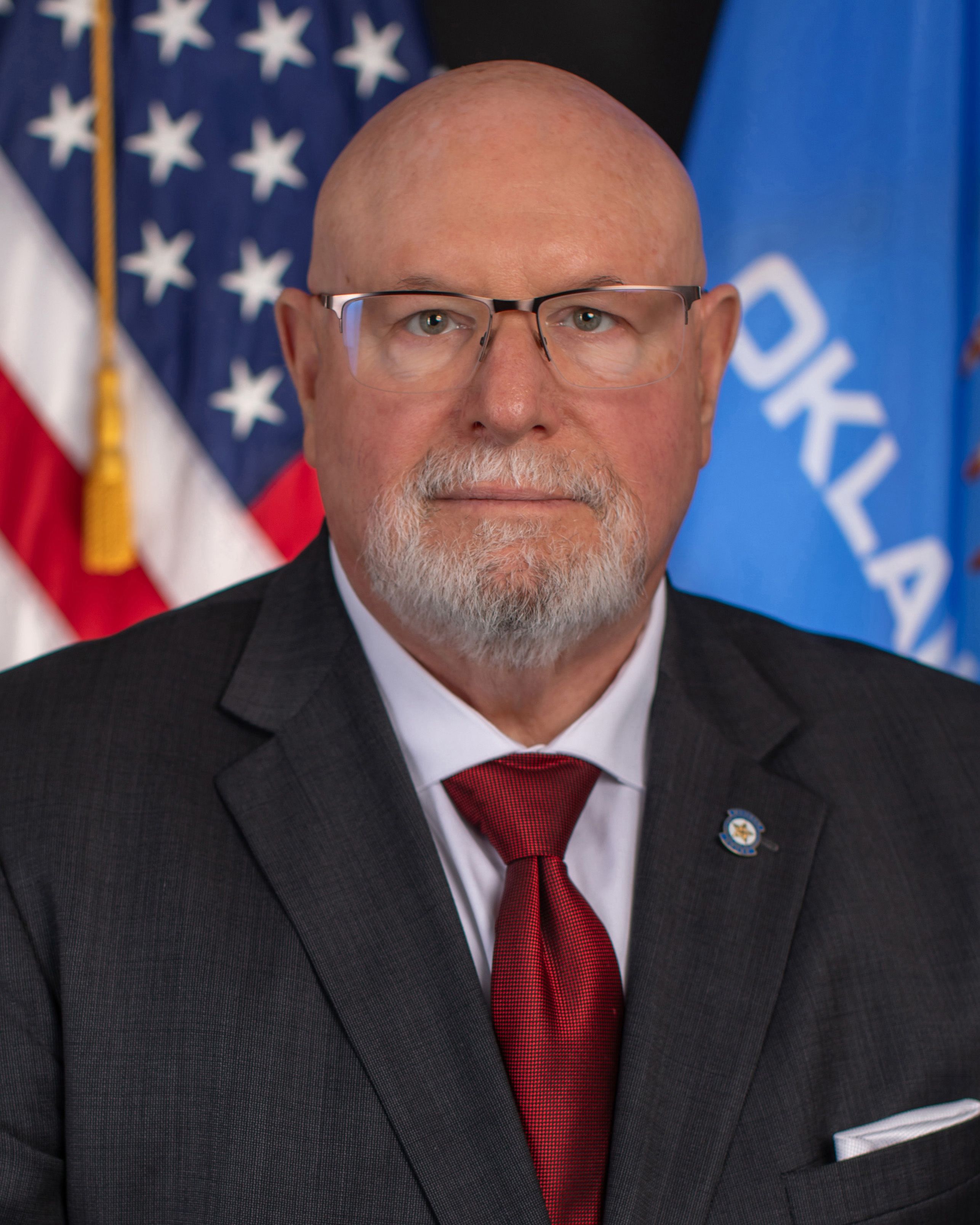
Darcy Jech
Darcy Jech Senate · District 26
R
Strong −
0% 7
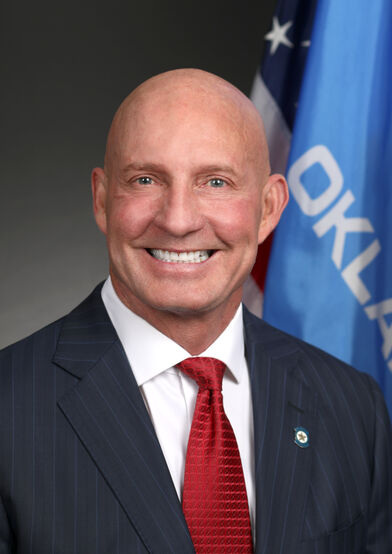
David Hardin
David Hardin House · District 86
R
Strong −
0% 7
Robert Manger
Robert Manger House · District 101
R
Strong −
0% 7
Casey Murdock
Casey Murdock Senate · District 27
R
Strong −
0% 6
Darrell Weaver
Darrell Weaver Senate · District 24
R
Strong −
0% 6
Showing 1–10 of 11 bills

All criminal justice bills

in committee · Oklahoma · Senate Feb 12, 2026

SB 1446: Oklahoma Law on Obscenity and Child Sexual Abuse Material; modifying certain penalty related to child sex trafficking. Effective date.

SB 1446 modifies Oklahoma's penalties for offenses involving child sexual abuse material and child sex trafficking. It increases penalties for "child prostitution sex trafficking" to a Class B1 felony, requiring a minimum 10-year prison sentence and escalating fines (up to $15,000 for repeat offenses). The bill directly affects individuals convicted of these specific crimes under Sections 1029 and 1030 of Oklahoma law. It also updates statutory references and includes community service requirements for related misdemeanor violations. The law takes effect November 1, 2026.
died · Oklahoma · House Feb 4, 2026

HB 3349: Crimes and punishments; updating language; effective date.

HB 3349 updates Oklahoma's legal definitions and penalties for human trafficking. It clarifies terms like "coercion" (including passport confiscation or controlling a person's access to substances) and "human trafficking for labor or commercial sex," defining specific acts like recruiting minors for prostitution. The bill increases penalties to a Class A2 felony with mandatory 85% prison time served (not less than 5 years for adults, 15 years for minors), requires restitution to victims, and bans probation for trafficking convictions. It directly affects traffickers, victims (especially minors), and courts handling these cases, while establishing that victims' consent or lack of knowledge about a victim's age cannot be used as defenses. The law takes effect November 1, 2026.
passed · Oklahoma · House Apr 1, 2026

HB 3584: Human trafficking; modifying elements of crime to include certain victims; emergency.

HB 3584 modifies Oklahoma's sentencing rules for human trafficking convictions. It requires individuals convicted of human trafficking (as defined in Section 748) to serve at least 85% of their prison sentence before becoming eligible for parole, with no earned credits allowed to reduce this time. The bill expands the definition of "human trafficking" to explicitly include child sex trafficking and trafficking involving minors, while defining key terms like "coercion" and "commercial sex." This policy directly affects convicted traffickers, particularly those involved in cases exploiting children or forcing commercial sex acts.
passed · Oklahoma · House Apr 27, 2026

HB 3264: Crimes and punishments; minimum prison sentences; criminal offense; list; effective date.

HB 3264 requires individuals convicted of 24 specific serious crimes - including first-degree murder, child sexual abuse, human trafficking, domestic abuse by strangulation, and discharging a firearm into occupied buildings - to serve at least 85% of their prison sentence before becoming eligible for parole. The bill eliminates earned credits or other sentence reductions that would allow offenders to serve less than 85% of their sentence. It applies to all convictions for these listed offenses, including attempts, conspiracies, or solicitations. The law would take effect on November 1, 2026, if passed.
in committee · Oklahoma · House Feb 4, 2025

HB 2719: Crimes and punishments; providing statutory reference for certain prostitution offense; effective date.

HB 2719 amends Oklahoma's prostitution-related penalties in Section 1031 of Title 21. It increases penalties for specific offenses, including classifying prostitution while knowingly HIV-positive as a felony (up to 5 years), child prostitution as a felony (up to 10 years), and prostitution within 1,000 feet of schools/churches as a felony (up to 5 years). The bill also adds community service requirements (40-80 hours) and mandates courts to notify county health officials of convictions. It becomes effective November 1, 2025.
Sub-Topics Human Trafficking
vetoed · Oklahoma · Senate May 29, 2025

SB 631: Crimes and punishments; expanding scope of acts that require service of minimum percentage of sentence. Effective date.

SB 631 requires offenders convicted of 23 specific serious crimes - including child pornography, human trafficking, aggravated assault on a defender, and discharging firearms into buildings - to serve at least 85% of their prison sentence before becoming eligible for parole. It expands the existing 85% service requirement to include these new offenses, which were previously not subject to this rule. The bill also prohibits earned credits or other reductions that would lower the required service below 85% for these convictions. This applies to anyone convicted of these offenses in Oklahoma, effective November 1, 2025.
in committee · Oklahoma · House Feb 4, 2025

HB 1320: Crimes and punishments; creating the Child Trafficking Protection Act of 2025; increasing penalties for certain unlawful act; effective date.

HB 1320 creates Oklahoma's "Child Trafficking Protection Act of 2025" by amending statutes to define human trafficking more broadly and significantly increase penalties. It specifically targets trafficking for commercial sex or labor, with harsher punishments: 5+ years to life for standard cases, and 15+ years to life without parole for offenses involving victims under 18. Key provisions include requiring offenders to pay victim restitution, mandating 85% of sentences be served before parole eligibility, and eliminating defenses based on victim consent or ignorance of a minor's age. The law directly affects traffickers and those exploiting victims, particularly minors, with stricter criminal consequences.
in committee · Oklahoma · House Feb 4, 2025

HB 1368: Human trafficking; directing private businesses and public schools to post certain signage at specific locations; codification; effective date.

HB 1368 requires public schools and private businesses to post specific human trafficking awareness signage at designated locations. The bill creates a "No Trafficking" safety zone around all public and private elementary, secondary, and post-secondary schools, prohibiting human trafficking activities within 1,000 feet of these sites. Violating this zone adds a 10-year penalty enhancement to standard human trafficking sentences. The Oklahoma Bureau of Narcotics and Dangerous Drugs Control must provide the required signage to schools and businesses.
Sub-Topics Human Trafficking
passed · Oklahoma · House May 5, 2025

HB 1591: Crimes and punishments; adding specific crimes to list of offenses; effective date.

HB 1591 requires individuals convicted of 25 specific serious crimes in Oklahoma to serve at least 85% of their prison sentence before becoming eligible for parole. This applies to offenses like first-degree murder, child sex trafficking, domestic violence with weapons, human trafficking, and certain violent assaults. The bill prohibits earned credits or other sentence reductions that would allow offenders to serve less than 85% of their sentence. It becomes effective November 1, 2025, and directly affects those sentenced for the listed crimes under Oklahoma law.
in committee · Oklahoma · Senate Feb 13, 2025

SB 869: Prostitution; creating felony offense; providing for penalties. Effective date.

SB 869 reclassifies certain prostitution-related offenses from misdemeanors to felonies under Oklahoma law. It creates new felony penalties for: engaging in prostitution while knowingly infected with HIV (up to 5 years in prison), child prostitution sex trafficking (up to 10 years), and prostitution within 1,000 feet of schools or churches (up to 5 years). The bill also updates penalty structures for repeat offenses and requires community service or health notifications for convictions. This directly affects individuals engaging in these specific acts, with penalties varying based on the circumstances and prior convictions. The bill takes effect November 1, 2025.
Showing 1 to 10 of 11 bills
1 2 Next