Issue · Criminal Justice

Criminal Justice (Courts)

Every criminal justice bill, vote, and legislator stance in Oklahoma, automatically classified by Maddy, our AI policy reader.

Total bills
78
2026 Regular Session
Top supporter
Arturo Alonso
100% support rate
Top opponent
Ross Ford
0% support rate
Ranked legislators
10
5 support · 5 oppose
Key legislators

Who's moving courts in Oklahoma

Legislators moving courts in Oklahoma
Legislator Party Stance Support rate Votes
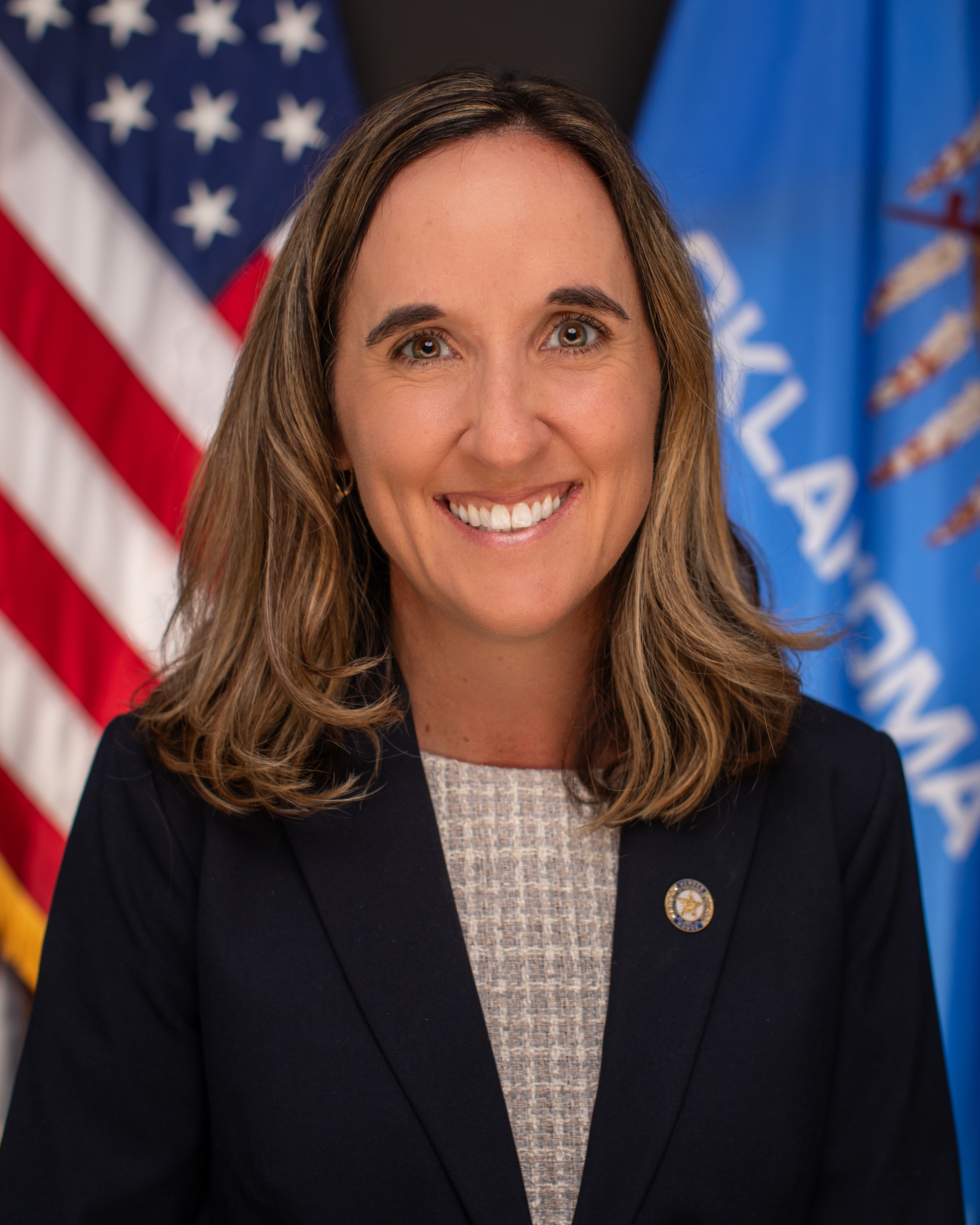
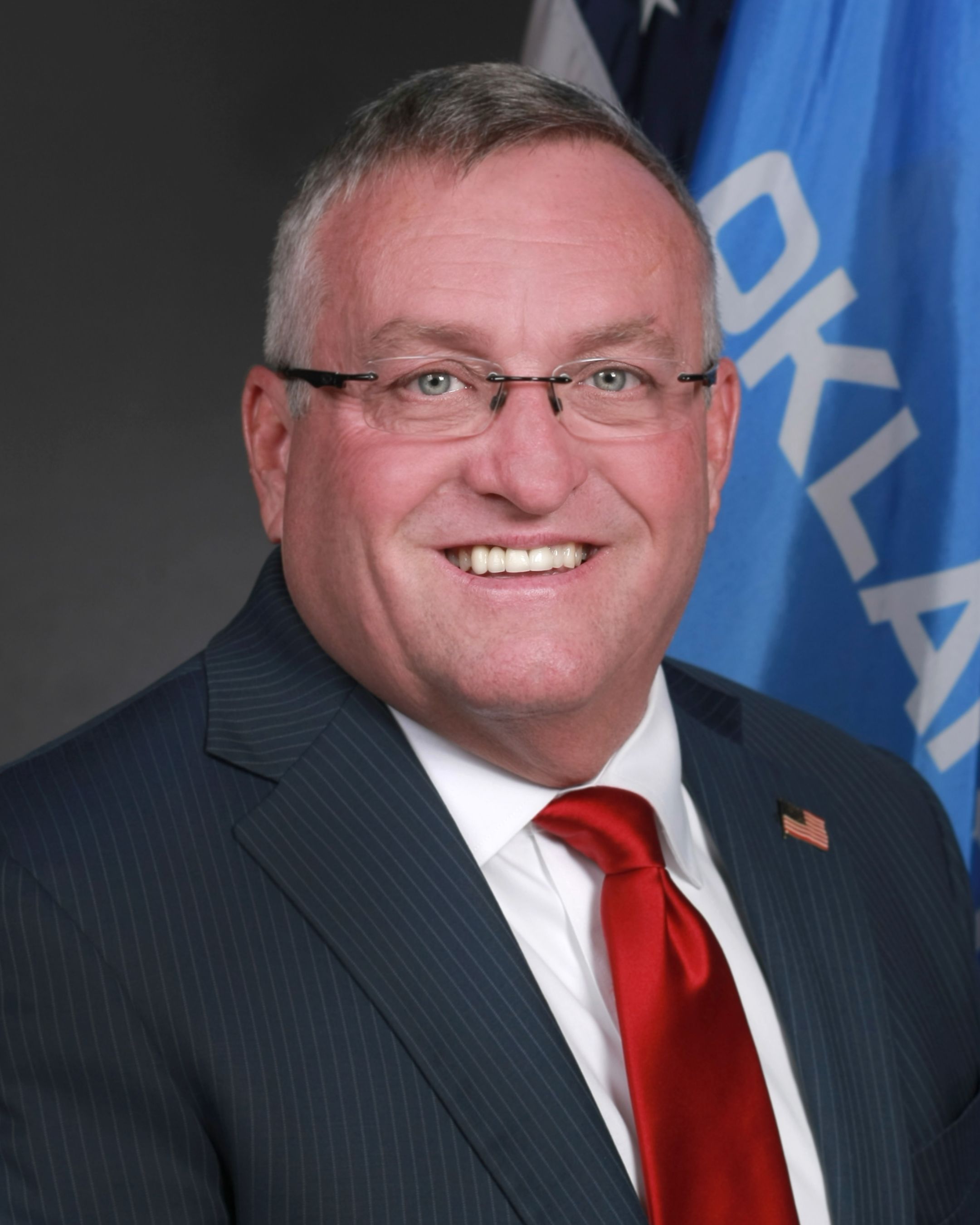
Arturo Alonso
Arturo Alonso House · District 89
D
Strong +
100% 4
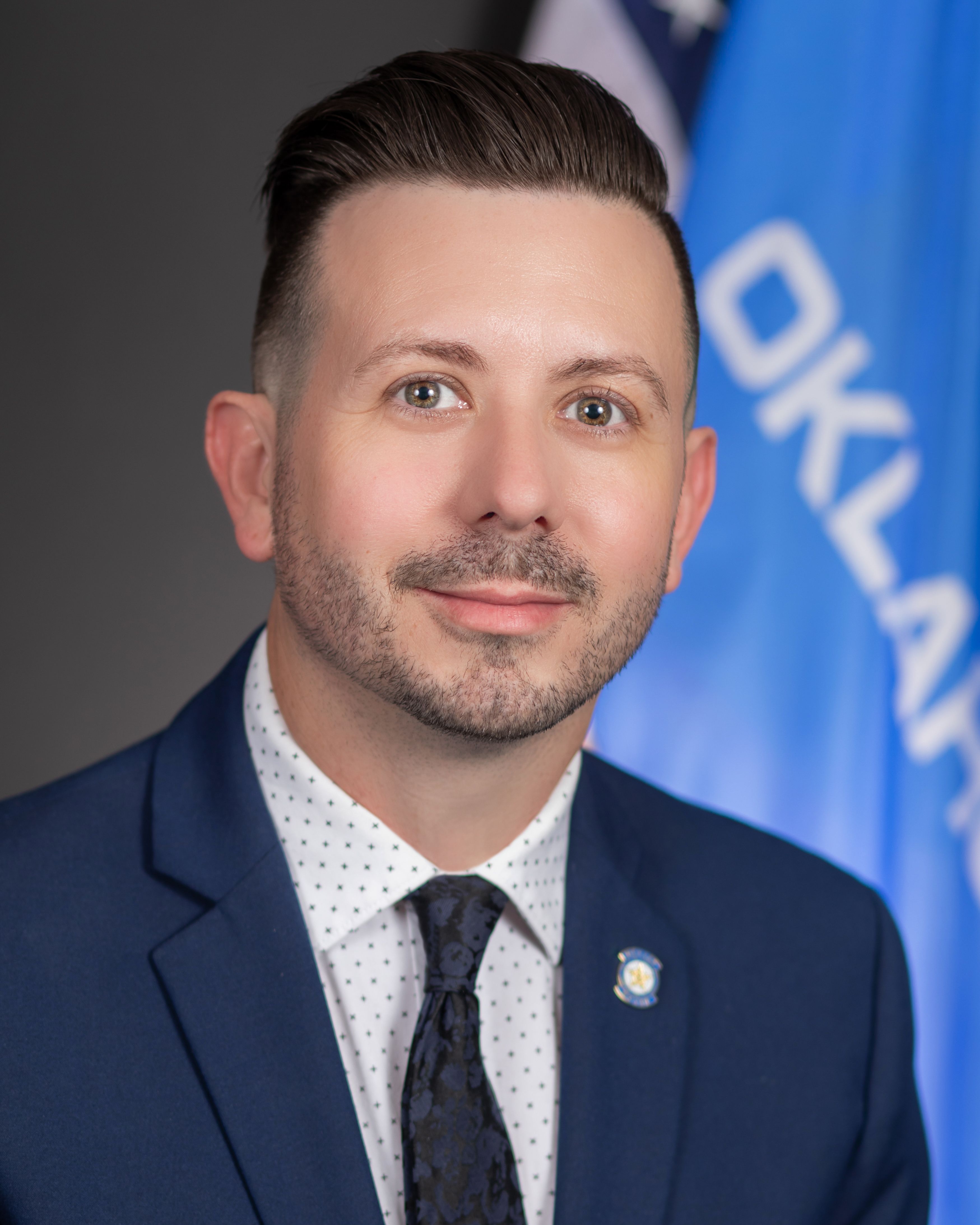
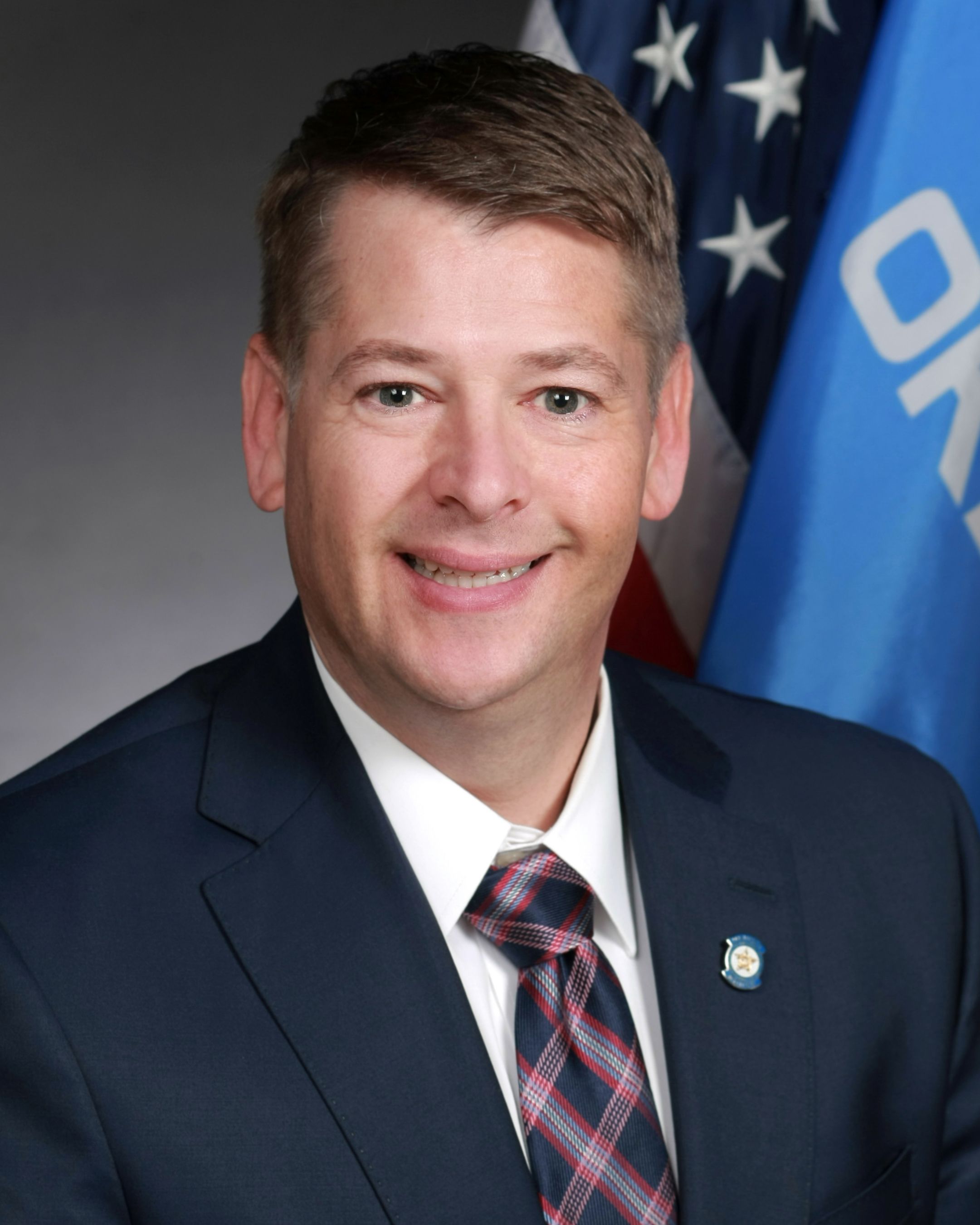
Ellen Pogemiller
Ellen Pogemiller House · District 88
D
Strong +
100% 4
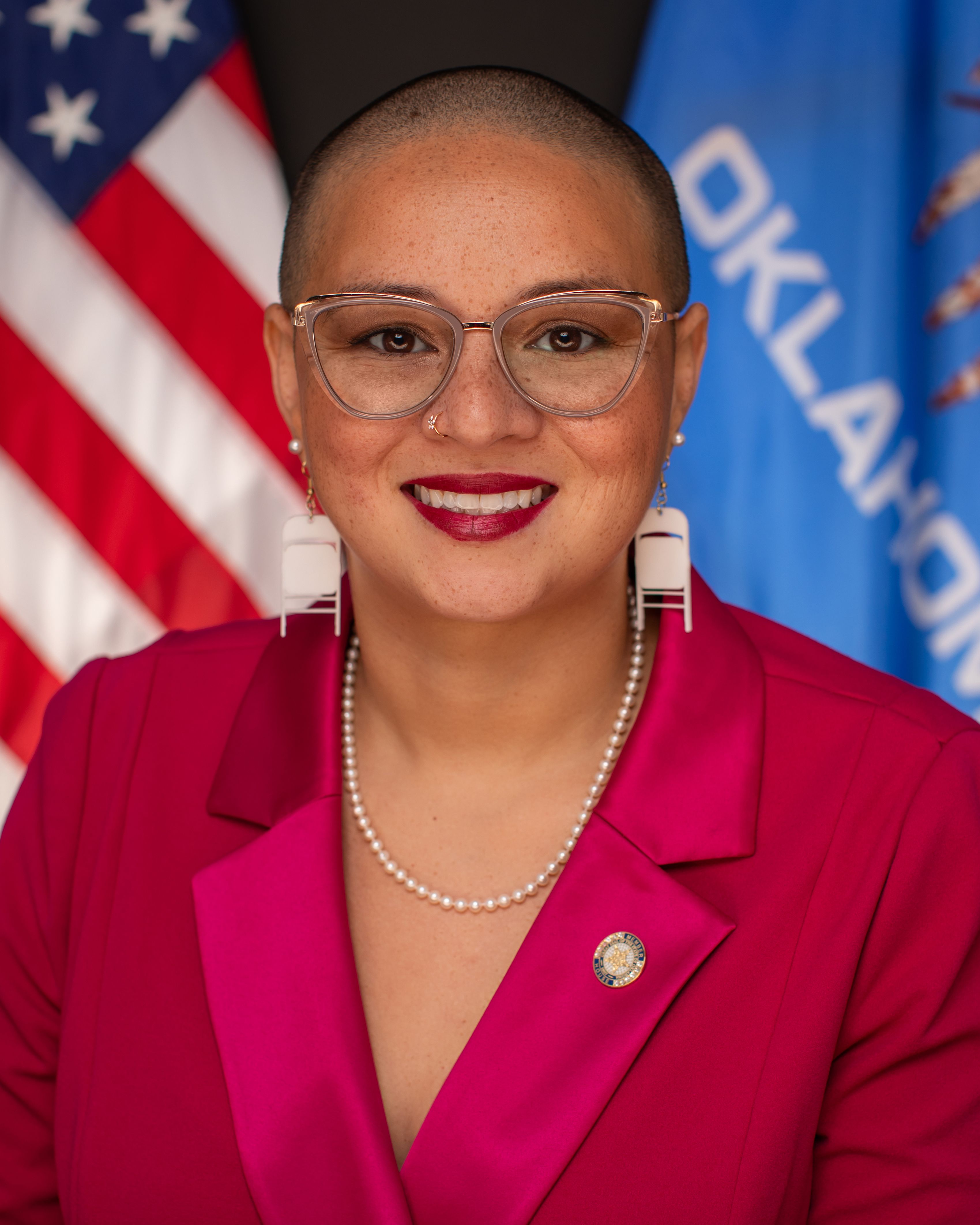
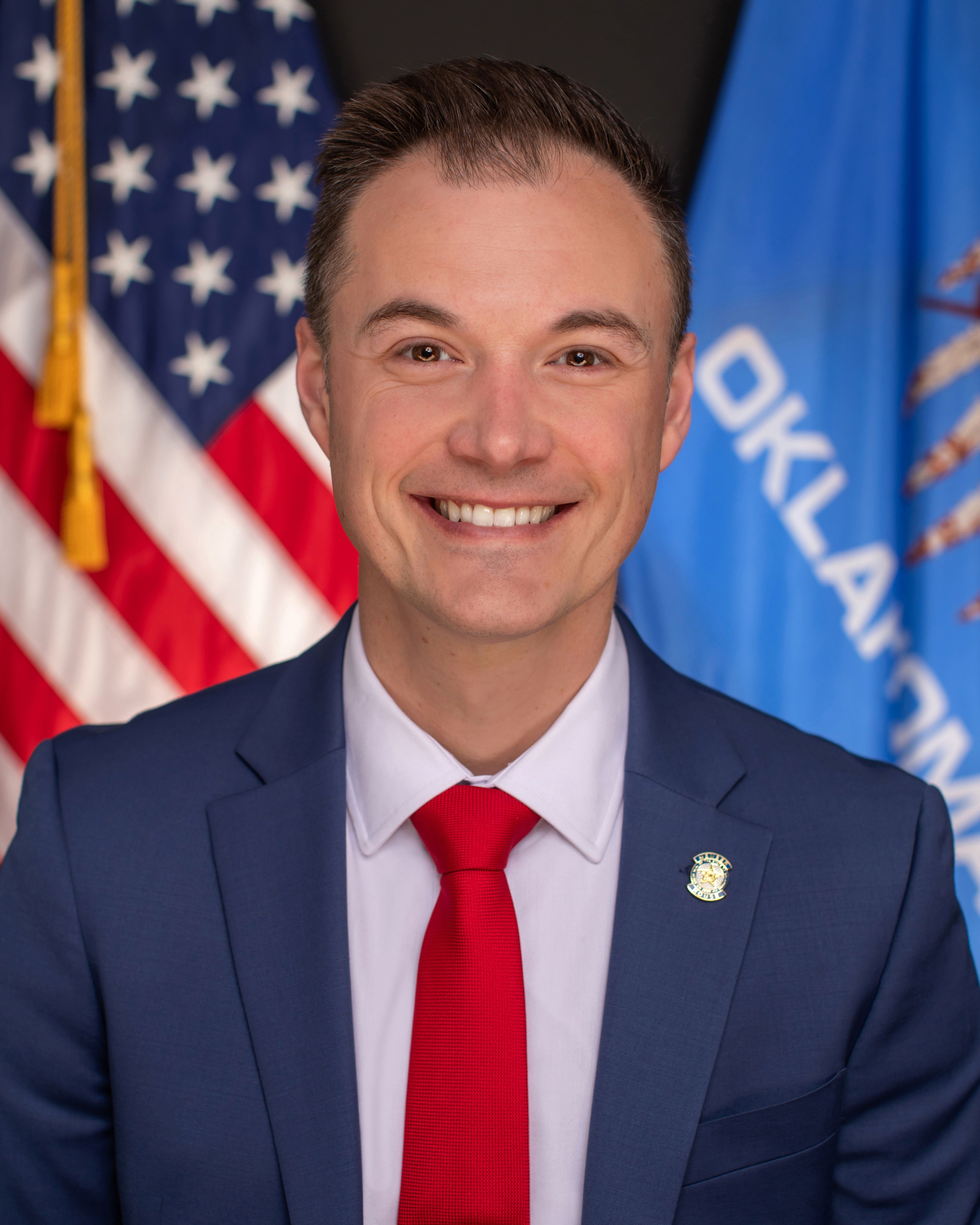
Jared Deck
Jared Deck House · District 44
D
Strong +
100% 4
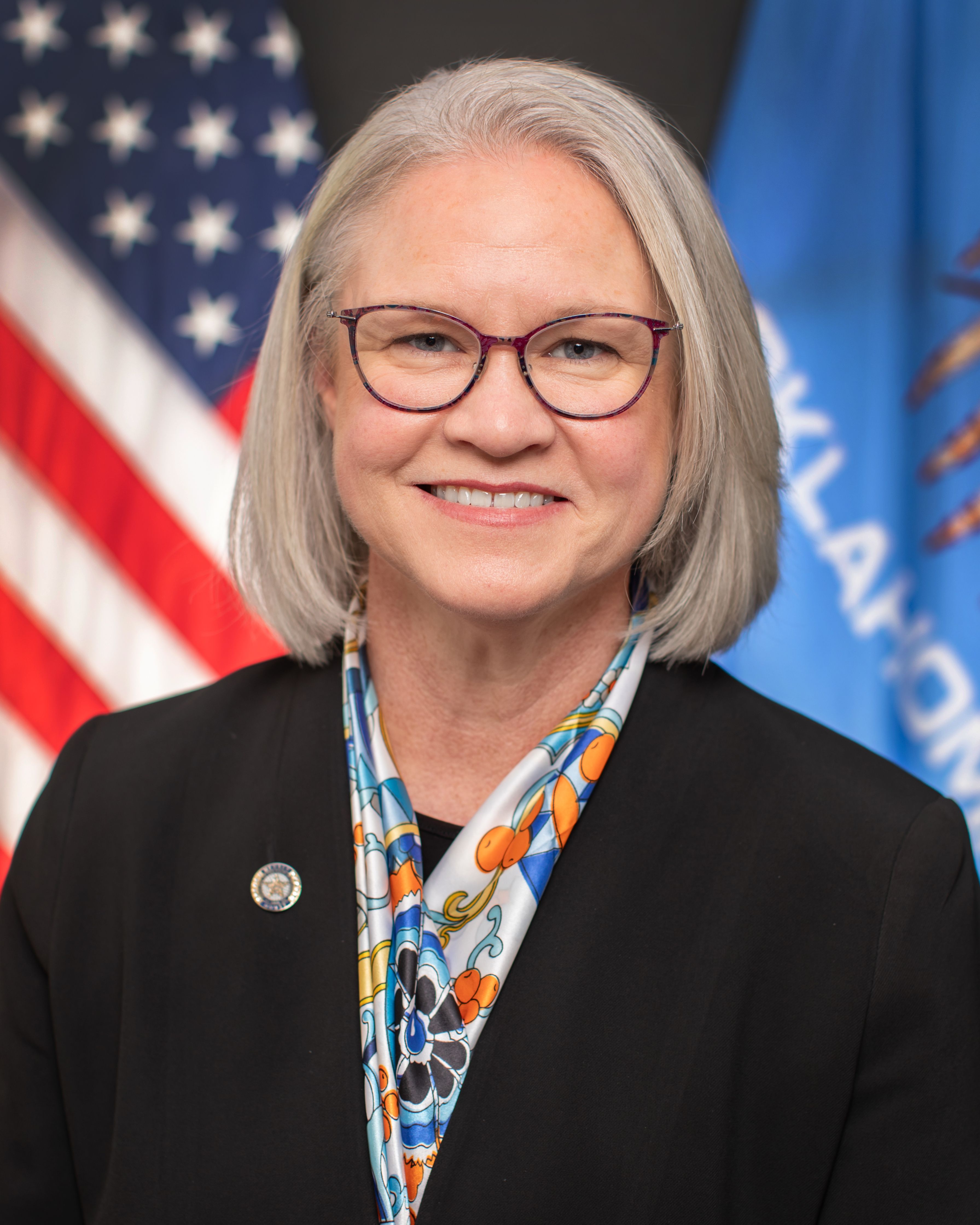
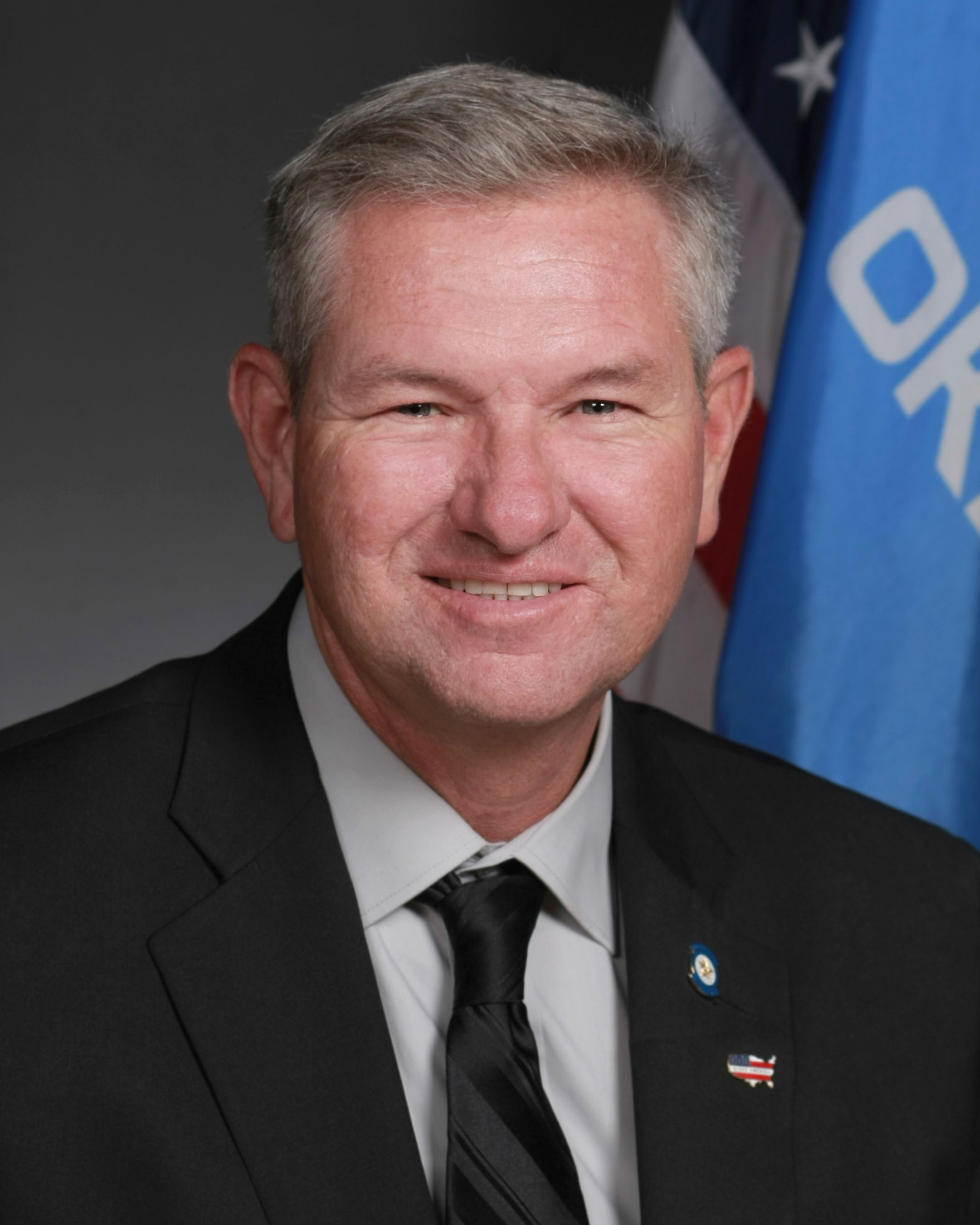
Michelle McCane
Michelle McCane House · District 72
D
Strong +
100% 4
Trish Ranson
Trish Ranson House · District 34
D
Strong +
100% 4
Ross Ford
Ross Ford House · District 76
R
Strong −
0% 5
Chris Sneed
Chris Sneed House · District 14
R
Strong −
0% 4
Cody Maynard
Cody Maynard House · District 21
R
Strong −
0% 4
David Smith
David Smith House · District 18
R
Strong −
0% 4
Denise Crosswhite Hader
Denise Crosswhite Hader House · District 41
R
Strong −
0% 4
Showing 71–78 of 78 bills

All criminal justice bills

in committee · Oklahoma · Senate Feb 3, 2026

SB 1370: Criminal convictions; creating the Conviction Integrity Unit within the Office of the Attorney General. Effective date.

SB 1370 creates a Conviction Integrity Unit within Oklahoma's Attorney General's Office to review felony convictions for claims of factual innocence - where a person provides new, credible evidence proving they did not commit the crime they were convicted of. The unit will accept applications from individuals who have completed direct appeals and submit new evidence of innocence, then recommend postconviction actions to district attorneys. It will also analyze cases where actual innocence was later recognized (e.g., through court rulings or pardons) to identify systemic issues in the criminal justice system. The bill establishes a revolving fund, financed by the state legislature, to cover the unit's operational costs.
Sub-Topics Courts
in committee · Oklahoma · Senate Feb 4, 2025

SJR 14: Constitutional amendment; clarifying Pardon and Parole Board voting procedures.

This constitutional amendment (SJR 14) clarifies voting procedures for Oklahoma's Pardon and Parole Board, specifically addressing death penalty clemency cases. It states that a tie vote on clemency recommendations for death-row inmates does not deny clemency and establishes a system of seven alternate board members who can fill in when regular members are absent, recused, or unable to vote. Alternates must be appointed by the same authority as the absent member (Governor, Supreme Court Chief Justice, or Criminal Court Presiding Judge), have 180 days to review cases, and cannot recommend parole for individuals sentenced to death or life without parole. The amendment directly affects the Board's operations and individuals seeking clemency, particularly in capital punishment cases.
in committee · Oklahoma · House Feb 4, 2025

HB 1071: Criminal procedure; providing automatic expungements for certain misdemeanor convictions; effective date.

HB 1071 automatically seals criminal records for certain nonviolent misdemeanor convictions in Oklahoma after specific conditions are met. It applies to individuals who: have paid all fines/restitution, have no current felony or misdemeanor charges, have not been convicted of a felony, and waited at least 10 years since their conviction (for nonviolent misdemeanors). The bill eliminates the need for individuals to file a court petition for these cases, instead triggering automatic record sealing starting November 1, 2025. This applies only to nonviolent misdemeanor offenses, excluding cases involving violent crimes or pending charges.
Sub-Topics Courts Victims' Rights
in committee · Oklahoma · Senate Feb 4, 2025

SB 728: Protection from Domestic Abuse Act; requiring court to order Global Positioning System monitoring of certain persons served with protective order. Effective date. Emergency.

SB 728 requires Oklahoma courts to order Global Positioning System (GPS) monitoring for individuals convicted of violating a protective order issued under the Protection from Domestic Abuse Act. This applies specifically to defendants who have been served with a protective order and later violate it, as determined by a court. The bill amends existing law to mandate this monitoring as a condition of sentencing or probation, alongside existing requirements for domestic abuse counseling. It does not change penalties for violations but adds GPS tracking as a new enforcement tool for court-ordered compliance.
in committee · Oklahoma · House Feb 4, 2025

HB 1214: Human trafficking; Justice for Noncitizen Minors and Human Trafficking Accountability Act of 2025; findings; Human Trafficking Response Unit; report; information; Attorney General; standards; duties; task; terms; responsibilities; codification; effective date.

HB 1214 requires Oklahoma's Human Trafficking Response Unit to submit a detailed report by December 2026 documenting human trafficking cases involving noncitizen minors (under age 16) from 2021-2025, including patterns, perpetrators, and victim data. The report must meet legal evidentiary standards to support future civil cases against traffickers and organizations that failed to conduct "reasonable due diligence" in placing unaccompanied minors. The Attorney General must establish data collection protocols, including background checks, relationship verification, and home safety assessments for sponsors, to ensure information is admissible in court. This bill directly affects noncitizen minors, placement organizations, and law enforcement by creating a standardized framework for documenting trafficking and holding entities accountable.
died · Oklahoma · House Feb 5, 2025

HB 2733: Criminal procedure; providing time limitation for bail hearings; effective date.

HB 2733 requires that defendants arrested in Oklahoma be brought before a magistrate or court for a bail hearing within 72 hours of arrest, replacing the previous standard of "without unnecessary delay." This applies to all arrests, directly affecting arrested individuals, law enforcement officers, and courts by establishing a concrete deadline for initial appearances. Key provisions include mandating release orders within 72 hours for those in custody and requiring courts to consider specific factors - such as domestic violence history, mental health, weapon access, or substance abuse - when setting bond conditions in certain cases. The bill does not change bond eligibility rules but adds time limits and detailed considerations for domestic violence, stalking, and drug-related offenses.
in committee · Oklahoma · Senate Feb 3, 2026

SB 1234: Peace officers; prohibiting masking of identity during execution of warrant. Effective date.

SB 1234 prohibits Oklahoma peace officers from wearing face coverings during warrant executions without a specific court order for each instance. The bill requires officers to obtain a separate court order permitting identity masking before each warrant execution, but explicitly excludes protective gear like face shields or helmets. This law directly affects all peace officers executing warrants in Oklahoma, mandating transparency in their identification during such operations. The bill becomes effective November 1, 2026, and would be codified in Oklahoma Statutes Title 22, Section 211.2.
Sub-Topics Courts
passed · Oklahoma · Senate Mar 30, 2026

SB 1381: Criminal procedure; authorizing Supreme Court to establish the Pretrial Release Pilot Program. Effective date.

SB 1381, the Pretrial Procedures Modernization Act of 2026, changes Oklahoma's pretrial release rules to ensure faster, more individualized decisions. It requires defendants to be brought before a magistrate within 48 hours (72 on weekends) for a hearing to determine release conditions, where courts must consider 13 specific factors like offense severity, community ties, and risk of reoffending. The bill mandates written findings for any denial of bail, specifies least-restrictive release conditions when detention is ordered, and allows pre-appearance bail setting before formal charges. It also requires courts to inform defendants of their right to counsel, provide text reminders for court dates, and document all release decisions clearly.
Sub-Topics Courts Judges
Showing 71 to 78 of 78 bills
Previous 1 6 7 8