Issue · Criminal Justice

Criminal Justice (Courts)

Every criminal justice bill, vote, and legislator stance in Oklahoma, automatically classified by Maddy, our AI policy reader.

Total bills
78
2026 Regular Session
Top supporter
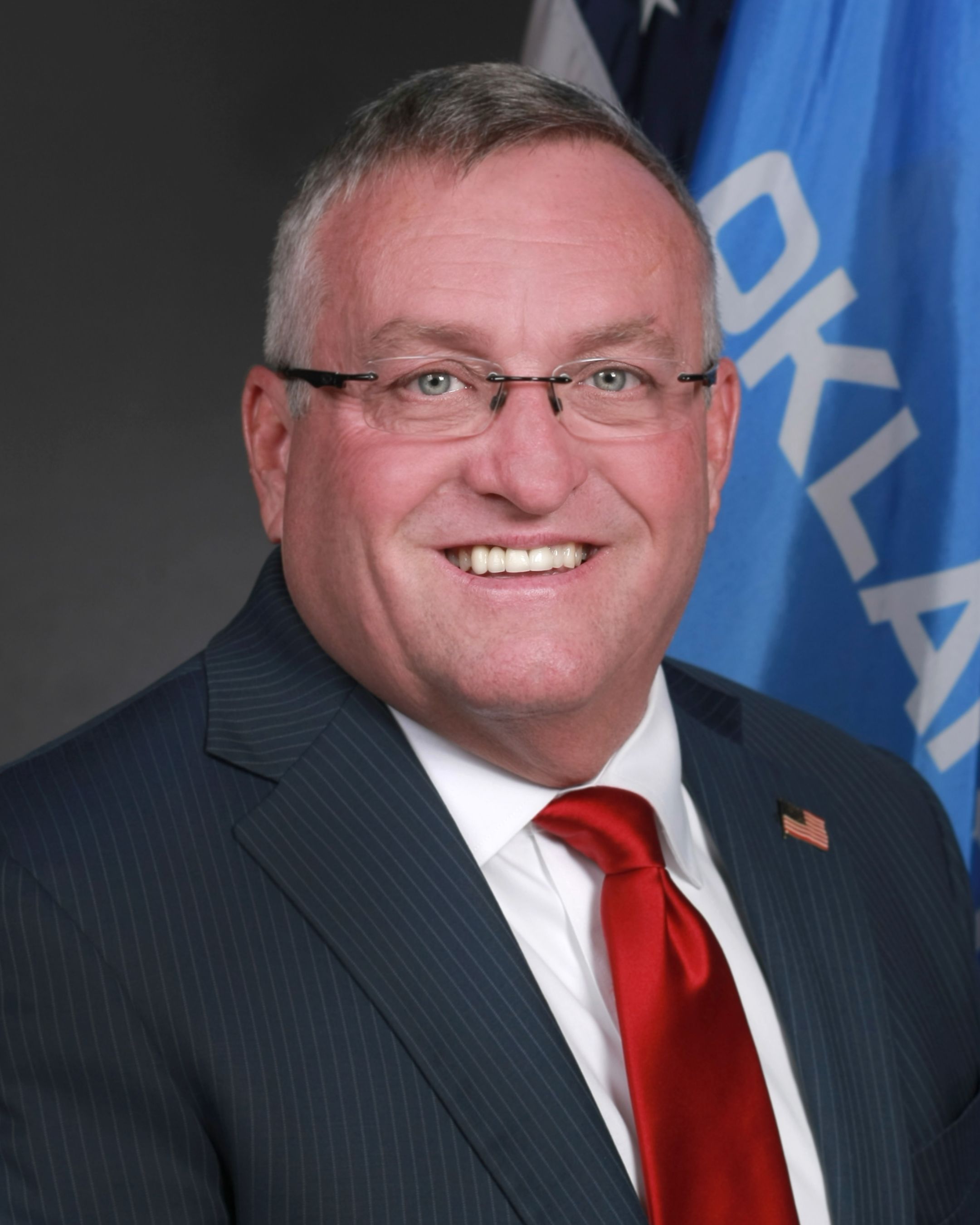
Arturo Alonso
100% support rate
Top opponent
Ross Ford
0% support rate
Ranked legislators
10
5 support · 5 oppose
Key legislators

Who's moving courts in Oklahoma

Legislators moving courts in Oklahoma
Legislator Party Stance Support rate Votes
Arturo Alonso
Arturo Alonso House · District 89
D
Strong +
100% 4
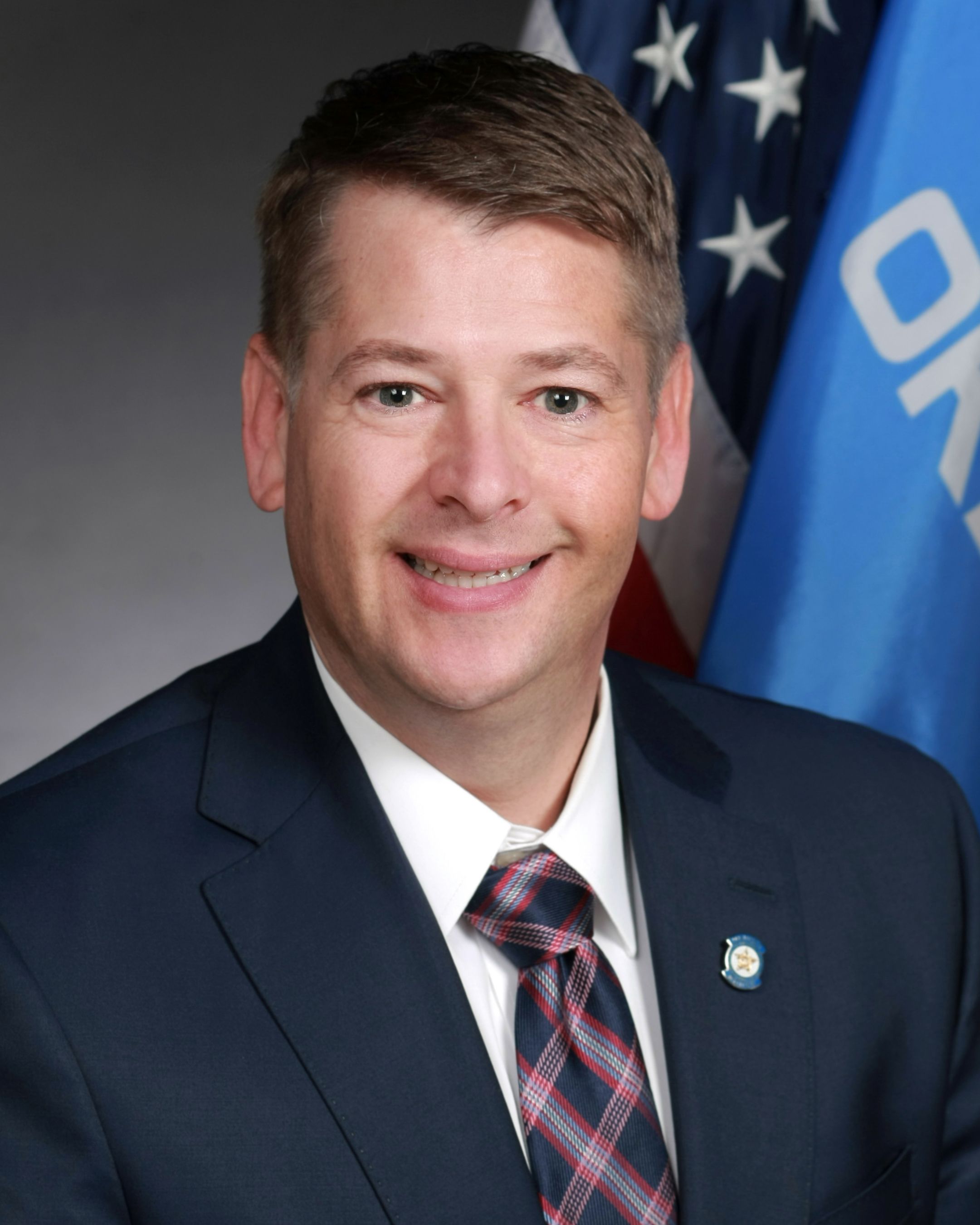
Ellen Pogemiller
Ellen Pogemiller House · District 88
D
Strong +
100% 4
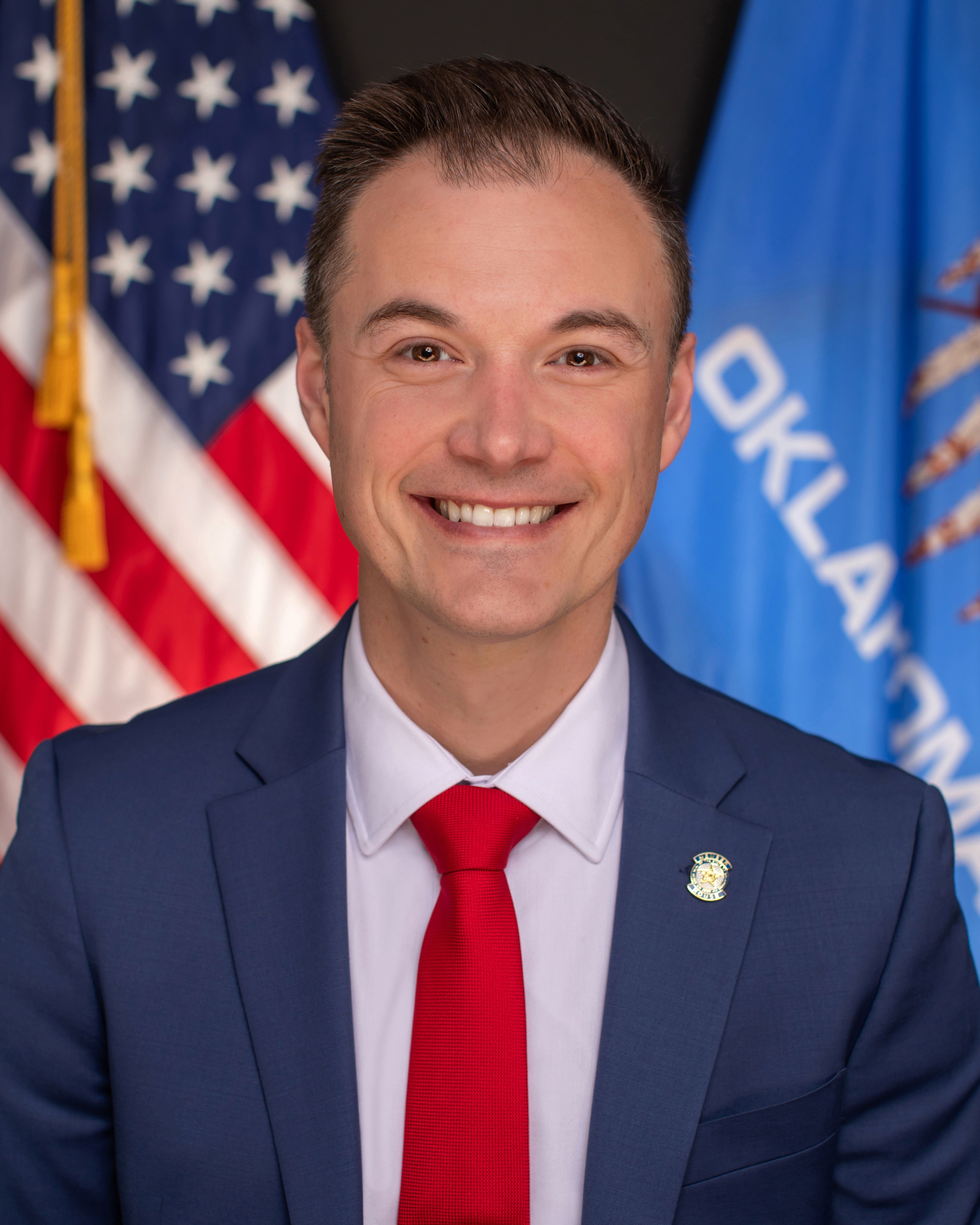
Jared Deck
Jared Deck House · District 44
D
Strong +
100% 4
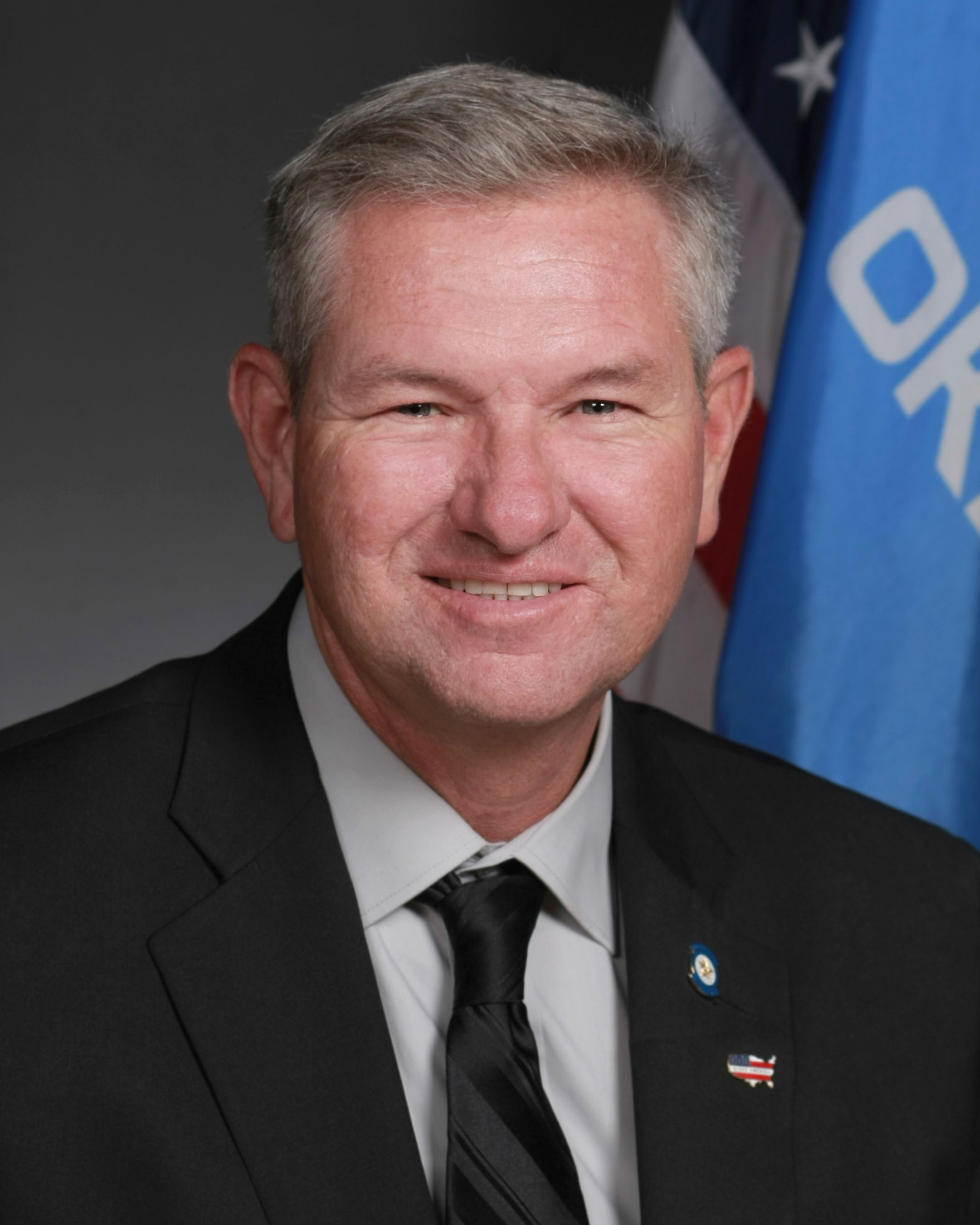
Michelle McCane
Michelle McCane House · District 72
D
Strong +
100% 4
Trish Ranson
Trish Ranson House · District 34
D
Strong +
100% 4
Ross Ford
Ross Ford House · District 76
R
Strong −
0% 5
Chris Sneed
Chris Sneed House · District 14
R
Strong −
0% 4
Cody Maynard
Cody Maynard House · District 21
R
Strong −
0% 4
David Smith
David Smith House · District 18
R
Strong −
0% 4
Denise Crosswhite Hader
Denise Crosswhite Hader House · District 41
R
Strong −
0% 4
Showing 61–70 of 78 bills

All criminal justice bills

died · Oklahoma · House Feb 12, 2025

HB 2016: Evidence; artificial intelligence expert testimony; effective date.

HB 2016 amends Oklahoma evidence law to establish specific standards for admitting and challenging artificial intelligence system outputs as testimony in court. It requires the party introducing AI-generated evidence (the "proponent") to demonstrate it meets four criteria: it helps the court understand evidence, uses reliable data, applies sound methods, and reflects consistent reliability. The bill also treats AI outputs similarly to human hearsay statements, allowing parties to challenge their accuracy using evidence like inconsistent prior outputs. This law applies directly to courts, lawyers, and parties in legal cases using AI systems, effective November 1, 2025.
Sub-Topics Courts Tags Artificial Intelligence
in committee · Oklahoma · Senate Feb 4, 2025

SB 967: Criminal procedure; requiring certain pretrial release hearing; modifying certain bail procedures. Effective date.

SB 967 requires Oklahoma courts to hold a pretrial release hearing immediately after an arrest for most charges. It mandates that defendants receive specific rights at this hearing, including the right to consult with counsel, review evidence, and present their own evidence. The bill shifts bail decisions toward non-monetary conditions (like supervision or electronic monitoring) unless the court finds no such conditions can ensure court appearance or community safety, and creates a presumption of inability to pay bond for those receiving government assistance. Additionally, it requires courts to provide defendants with written and oral notice of court dates, along with phone/text reminders the business day before hearings. This bill directly affects defendants facing pretrial detention decisions in Oklahoma courts.
Sub-Topics Courts
in committee · Oklahoma · Senate Feb 4, 2025

SB 769: Firearms; prohibiting certain adjudicated delinquents from possessing or purchasing firearms. Effective date.

SB 769 prohibits juveniles adjudicated for violent crimes from possessing or purchasing firearms until they turn 25 years old. It requires juvenile courts to inform these juveniles of the restriction before accepting a guilty plea or after a ruling, and mandates electronic submission of case details to background check systems. The bill also allows juveniles aged 19 or older (with at least one year since the offense) to petition courts for reinstatement of firearm rights, based on their behavior and future criminal risk. This policy directly affects young people convicted of violent offenses in juvenile court, with the law taking effect November 1, 2025.
passed both · Oklahoma · House Mar 5, 2025

HCR 1004: Concurrent resolution; consent decree; Department of Mental Health and Substance Abuse Services, Oklahoma Forensic Center, and the putative class; approval.

HCR 1004 is a procedural resolution approving a consent decree resolving a class-action lawsuit against Oklahoma's mental health system. It formally authorizes the Oklahoma Legislature to adopt the court-approved settlement between the Department of Mental Health and Substance Abuse Services, the Oklahoma Forensic Center, and a group of individuals alleging inadequate competency restoration treatment for people found incompetent to stand trial. The decree resolves claims about delays in providing required treatment to ensure court competency, avoiding further litigation costs. This resolution does not create new policy but legally ratifies an existing court agreement.
in committee · Oklahoma · House Feb 4, 2025

HB 1885: Juvenile justice; creating the Safeguarding Juvenile Justice Act; requiring the recording of all interactions between juveniles and certain persons; codification; effective date.

HB 1885, the "Safeguarding Juvenile Justice Act," requires all interactions between juveniles and court personnel (including judges, attorneys, and court officials) to be recorded visually and audibly with trained advocates present. It mandates judges with juvenile cases complete six hours of annual training on ethical conduct and grooming prevention, while attorneys handling juvenile cases must complete three hours annually on similar topics. The bill also updates grievance procedures for youth in detention, requiring facilities to make complaint processes accessible and directing the Oklahoma Commission on Children and Youth to investigate complaints about facility conditions or staff misconduct. These changes apply directly to juvenile court participants, judges, attorneys, and detention facilities across Oklahoma, effective November 1, 2025.
signed · Oklahoma · House May 12, 2026

HB 2137: Criminal procedures; resumption of competency; administration of medication; notification; authorization; effective date.

HB 2137 modifies Oklahoma's criminal procedure laws to clarify how courts handle defendants found incompetent to stand trial who may regain competency. It requires courts to hold new hearings if medical staff report potential competency restoration and mandates strict procedures for authorizing involuntary medication (including psychiatric medication) to restore competency, including requiring petitioners to prove necessity with "clear and convincing evidence." The bill ensures defendants receive legal representation, 30-day hearing deadlines, and specific court findings on medical necessity, alternatives, and the defendant's wishes. It directly affects individuals in criminal cases under involuntary competency restoration, ensuring due process while allowing medication administration only when medically justified and legally permissible.
Sub-Topics Courts
in committee · Oklahoma · Senate Feb 4, 2025

SB 230: Court reporters; eliminating charge for certain transcripts. Effective date.

SB 230 eliminates fees for certain court transcripts in Oklahoma. It removes the requirement for parties to pay for transcripts in specific situations, such as when a criminal defendant demonstrates financial inability to pay (via affidavit) or when a judge orders a transcript without requiring upfront payment. This directly affects indigent defendants in criminal cases and parties in civil cases who request transcripts. The bill updates court reporter statutes to ensure these transcripts are provided at no cost, aligning with existing provisions for free copies to all parties.
Sub-Topics Courts Judges
in committee · Oklahoma · Senate Feb 4, 2025

SB 811: Criminal procedure; requiring implementation of certain competency restoration pilot program. Effective date. Emergency.

SB 811 requires Oklahoma's Department of Mental Health and Substance Abuse Services to implement a community-based competency restoration pilot program for defendants found incompetent to stand trial but capable of regaining competence with treatment. The bill directly affects individuals in the criminal justice system who are deemed incompetent due to mental health needs but not intellectually disabled or dangerous. Key provisions mandate the department to provide treatment in community settings (instead of solely in forensic facilities), make regular court reports on defendants' progress, and establish clear pathways for resuming trials or transitioning to civil commitment if competence isn't restored. The pilot program specifically aligns with a court-ordered consent decree from the Briggs v. Friesen case. The bill takes effect July 1, 2025.
in committee · Oklahoma · House Feb 4, 2025

HB 1164: Children; Protect Families from Government Overreach Act; purpose; Department of Human Services; custody; records; exception; emergency motion; imminent threat; report; Oklahoma Commission for Human Services; noncompliance; civil remedies; criminal penalties; agencies; audits; court; reassessment; codification; effective date.

HB 1164 requires Oklahoma's Department of Human Services (DHS) to return children to parents or guardians within 72 hours if criminal charges against them are dismissed, dropped, or result in a not-guilty verdict. It also mandates DHS to delete all related case records within 72 hours and prohibits keeping records of dismissed cases. Exceptions allowing continued separation are only permitted if DHS files an emergency court motion with clear evidence of an "imminent threat" to the child, requiring a court order within 72 hours. Noncompliance by DHS may trigger civil lawsuits, criminal penalties for staff, or funding audits.
Sub-Topics Courts
in committee · Oklahoma · House Feb 4, 2025

HB 1706: Criminal procedure; creating the Pretrial Procedures Modernization Act of 2025; reducing time limitation for setting preliminary hearings; creating a statewide pretrial services program within each judicial district; codification; effective date.

HB 1706, the Pretrial Procedures Modernization Act of 2025, requires Oklahoma courts to hold pretrial release hearings within 48 hours of arrest (reducing the previous timeframe) and creates a statewide pretrial services program in each judicial district. It mandates courts to inform defendants of their rights, next court dates, and safety risks before release decisions, while requiring them to consider specific factors like crime severity and defendant history. The bill also requires courts to provide phone/text reminders for court appearances and allows electronic monitoring for certain release conditions. This directly affects defendants awaiting trial, courts, and pretrial services providers across Oklahoma.
Sub-Topics Courts
Showing 61 to 70 of 78 bills
Previous 1 6 7 8 Next