Issue · Criminal Justice

Criminal Justice (Courts)

Every criminal justice bill, vote, and legislator stance in Oklahoma, automatically classified by Maddy, our AI policy reader.

Total bills
89
2026 Regular Session
Top supporter
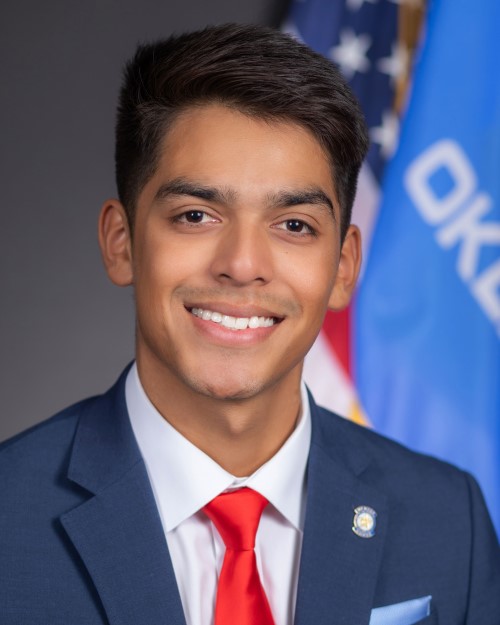
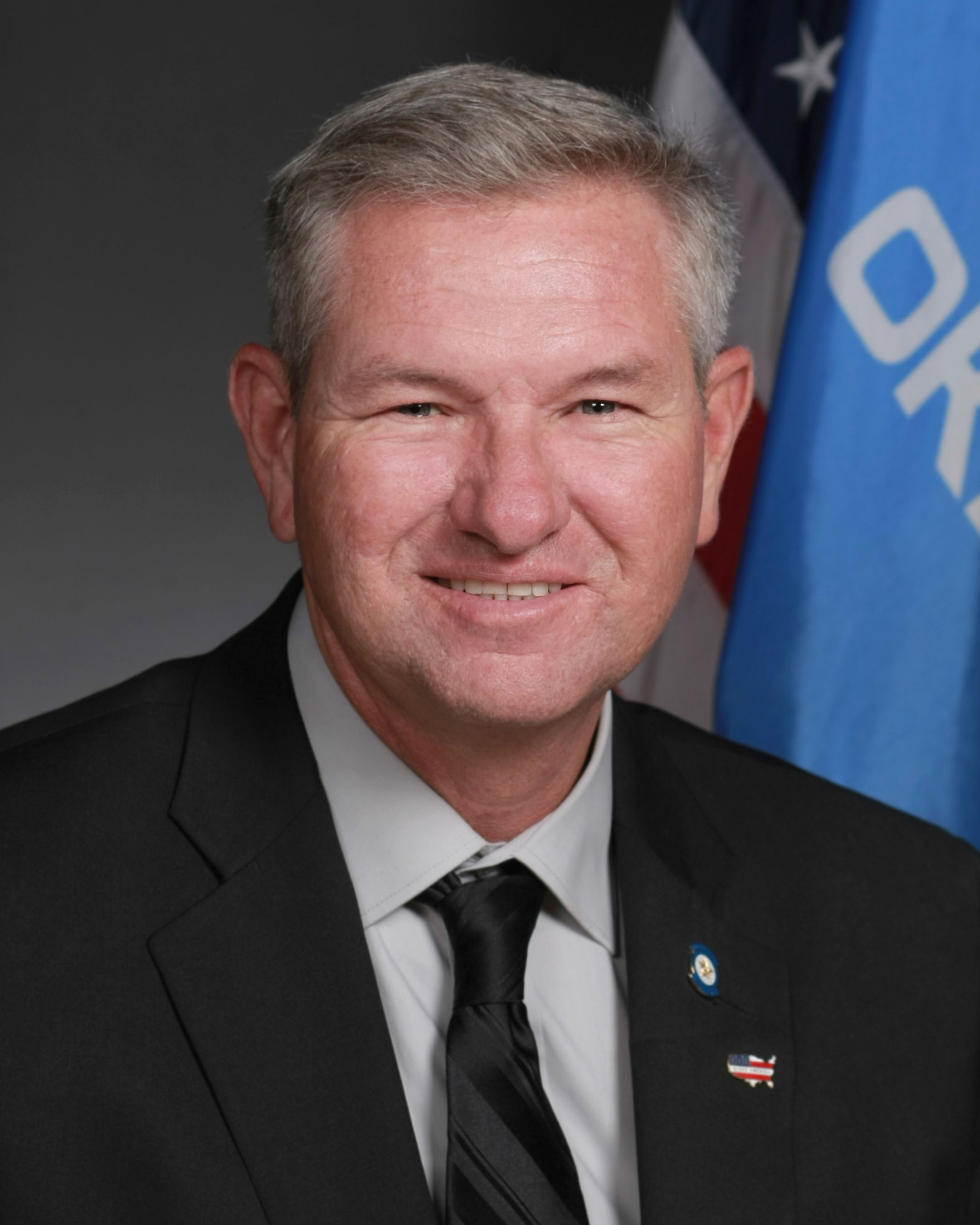
Arturo Alonso
100% support rate
Top opponent
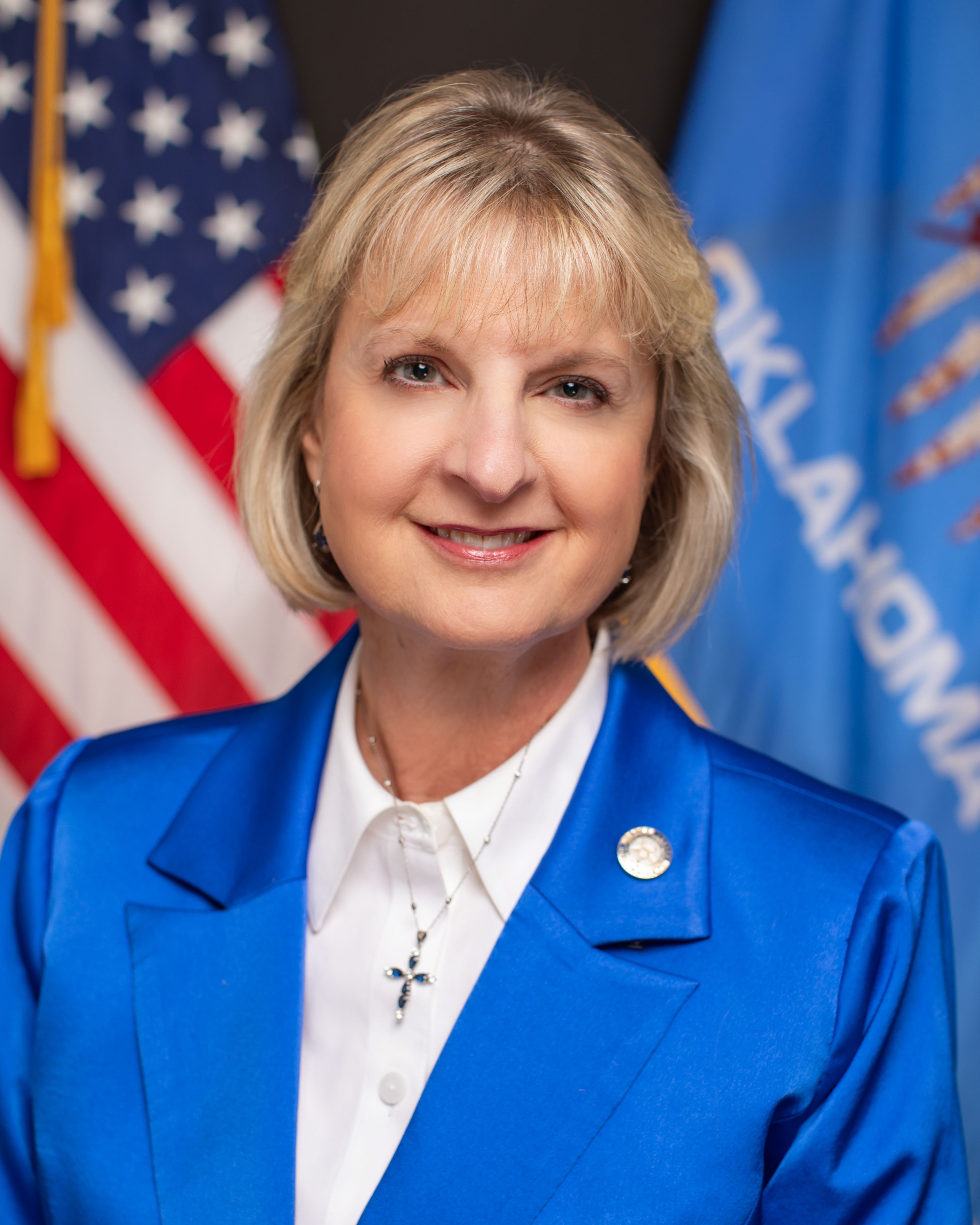
Ross Ford
0% support rate
Ranked legislators
10
5 support · 5 oppose
Key legislators

Who's moving courts in Oklahoma

Legislators moving courts in Oklahoma
Legislator Party Stance Support rate Votes
Arturo Alonso
Arturo Alonso House · District 89
D
Strong +
100% 4
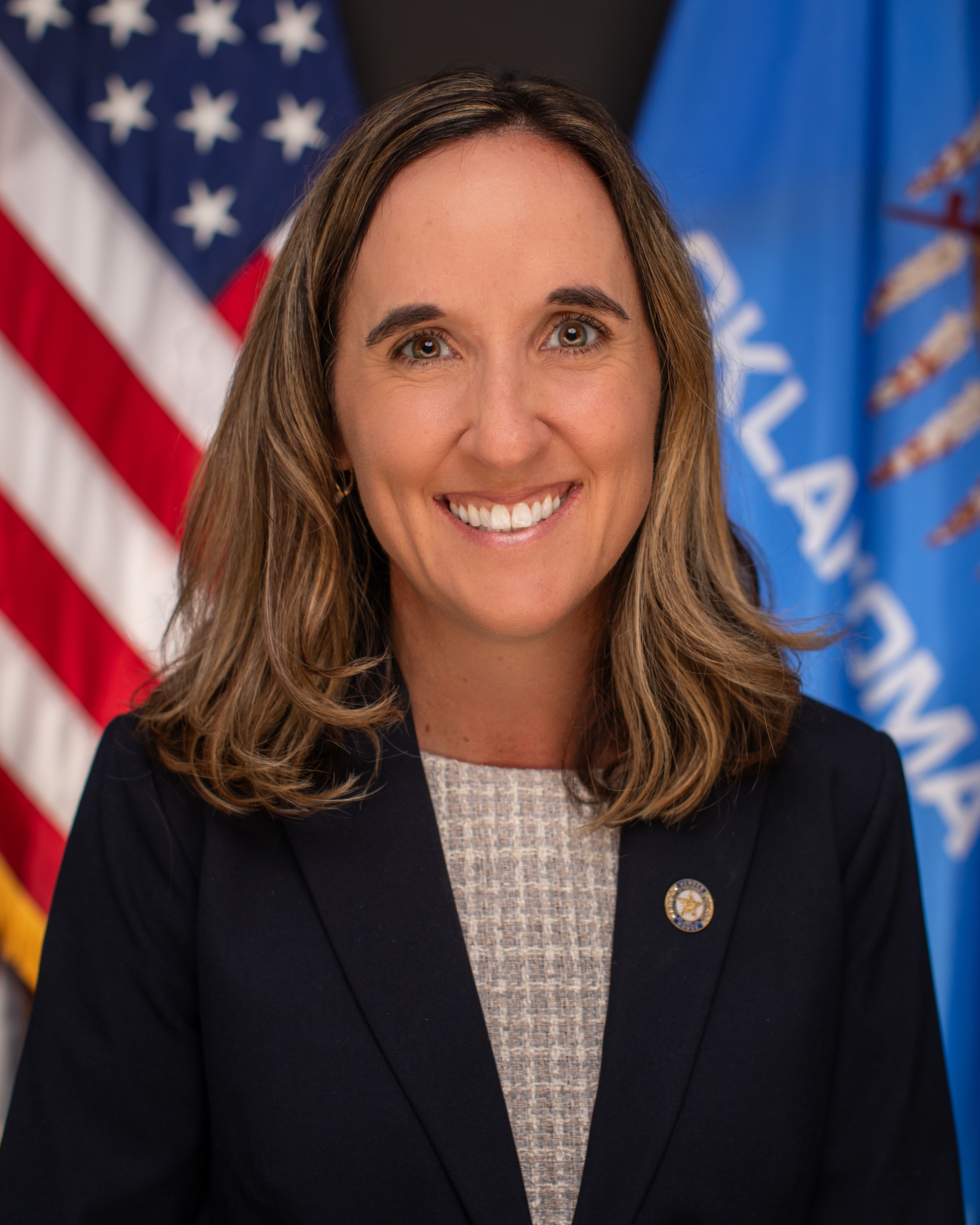
Ellen Pogemiller
Ellen Pogemiller House · District 88
D
Strong +
100% 4
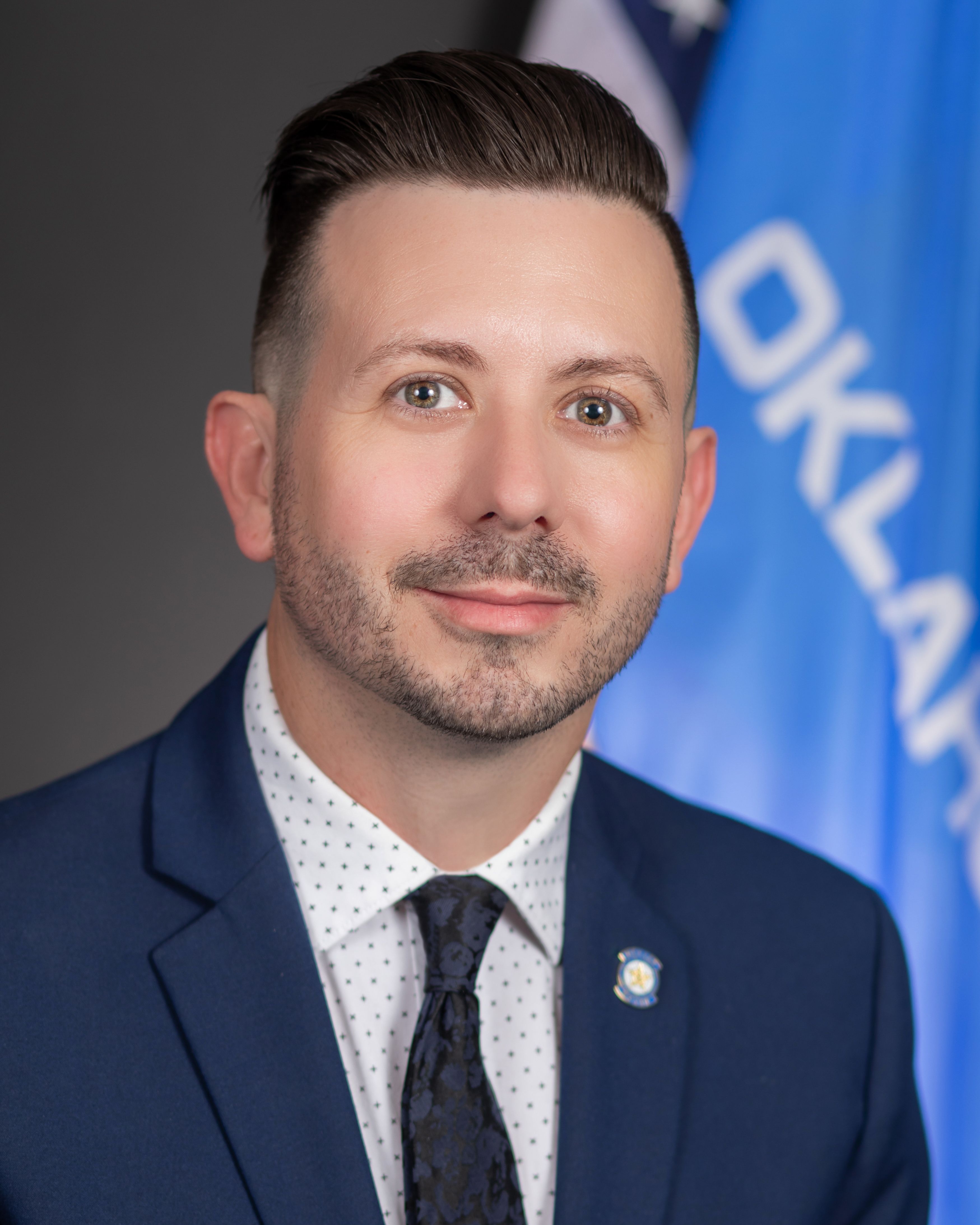
Jared Deck
Jared Deck House · District 44
D
Strong +
100% 4
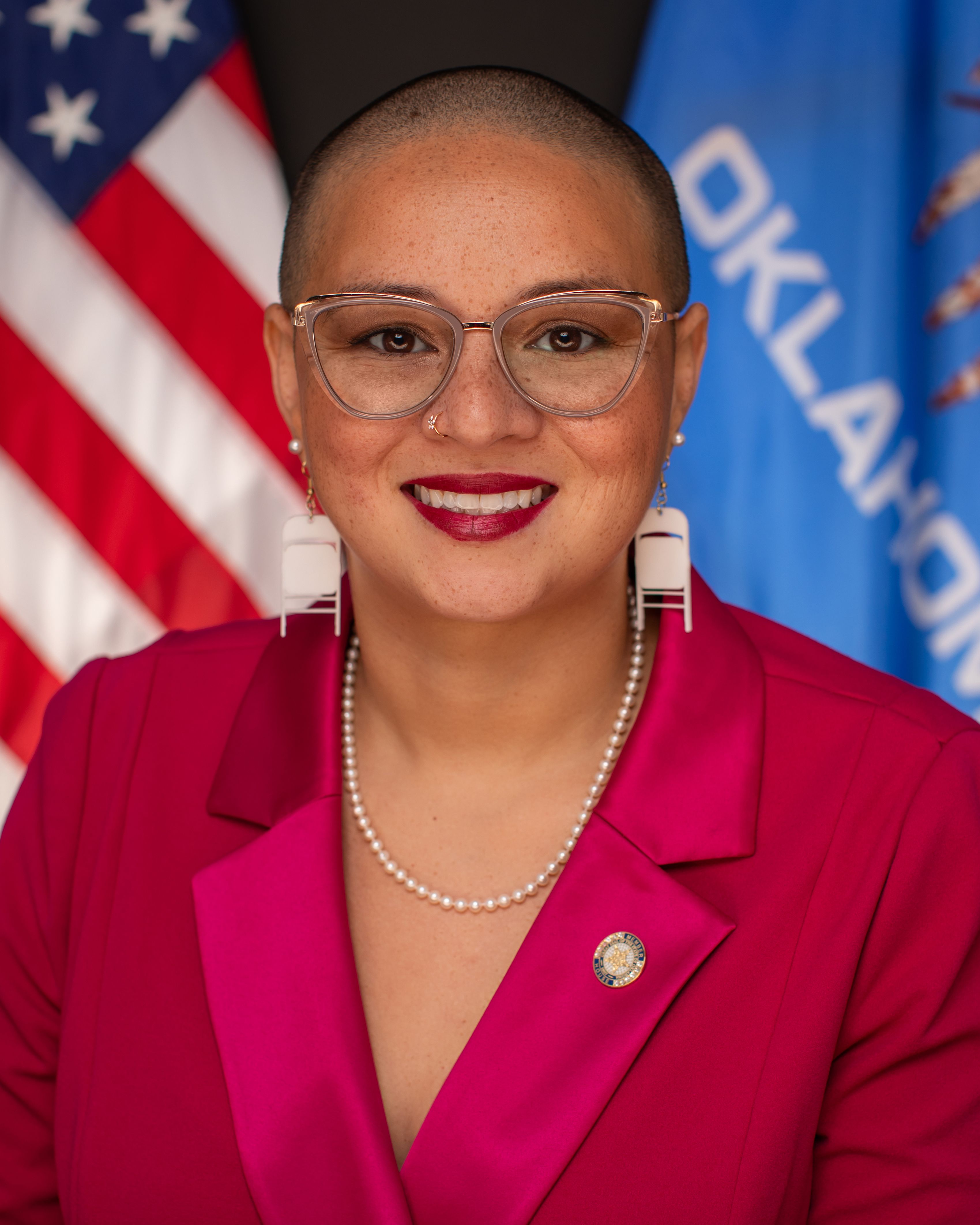
Michelle McCane
Michelle McCane House · District 72
D
Strong +
100% 4
Trish Ranson
Trish Ranson House · District 34
D
Strong +
100% 4
Ross Ford
Ross Ford House · District 76
R
Strong −
0% 5
Chris Sneed
Chris Sneed House · District 14
R
Strong −
0% 4
Cody Maynard
Cody Maynard House · District 21
R
Strong −
0% 4
David Smith
David Smith House · District 18
R
Strong −
0% 4
Denise Crosswhite Hader
Denise Crosswhite Hader House · District 41
R
Strong −
0% 4
Showing 31–40 of 89 bills

All criminal justice bills

in committee · Oklahoma · House Feb 3, 2026

HB 3195: District attorneys; clarifying scope of certain prohibited acts; effective date.

HB 3195 clarifies and strengthens penalties for district attorneys and related officials who commit misconduct in legal proceedings. The bill specifically amends Oklahoma law to define clear felony classifications (Class D3 or D1) for acts like offering forged evidence (Section 451), making false statements to influence witnesses (Section 452), falsifying records (Section 453), destroying evidence (Section 454), bribing witnesses (Section 456), committing perjury (Section 491), suborning perjury (Section 504), and falsifying official records (Section 531). It directly affects district attorneys, assistant district attorneys, sheriffs, clerks, and other court officials who handle evidence or official records. The changes ensure consistent felony penalties for these specific misconducts without creating new offenses. The bill takes effect November 1, 2026.
Sub-Topics Courts
in committee · Oklahoma · Senate Feb 4, 2026

SB 1609: Oklahoma Evidence Code; providing for admissibility of certain statements. Effective date.

SB 1609 allows victim statements about specific violent incidents - poisoning, shooting, or assault with intent to kill - to be used as evidence in court. These statements, made within one week to law enforcement or in protective order applications, become admissible in criminal and juvenile cases, including hearings on probation or protective orders. The bill directly affects victims of these crimes and law enforcement by streamlining how their accounts can be presented in court. It removes typical barriers requiring separate proof of reliability for such statements, making them automatically admissible under the specified conditions.
passed · Oklahoma · Senate Apr 7, 2026

SB 1450: Criminal court costs and fees; requiring waiver of certain costs and fees upon completion of certain requirements. Effective date.

SB 1450 allows Oklahoma courts to waive criminal court fines, costs, and fees for eligible individuals who meet specific payment and compliance requirements. It creates two pathways: (1) waiving costs after 24 months of timely monthly payments following release from prison, or (2) waiving costs after 48 months of timely payments within the prior 60 months, both requiring full probation/supervision compliance. The bill excludes restitution to victims and child support from waiver eligibility, and requires individuals released from prison to report to courts 180 days post-release to address outstanding debts. The law takes effect November 1, 2026.
passed · Oklahoma · House Apr 16, 2026

HB 3905: Domestic violence; requiring use of Global Positioning System (GPS) monitoring devices; effective date.

HB 3905 would require Oklahoma courts to mandate GPS monitoring devices for individuals convicted of domestic violence offenses as a standard condition of release or probation, unless the court determines it is unnecessary. This directly affects domestic violence offenders under court supervision and the judicial system managing their cases. The key provision establishes GPS tracking as a default measure, with judges retaining discretion to waive it for specific reasons. The policy aims to enhance victim safety by providing real-time location data of offenders.
in committee · Oklahoma · House Feb 3, 2026

HB 3206: Removal; removal of members of the Council on Judicial Complaints for failure to properly discipline any person occupying positions subject to the jurisdiction of the Court on the Judiciary; effective date.

HB 3206 requires the removal of Council on Judicial Complaints members who fail to properly discipline judicial staff or judges (positions under the Court on the Judiciary) accused of serious ethical violations or felony crimes. The Attorney General must investigate complaints and, if reasonable cause exists, file a Supreme Court case to remove the council member. Removal procedures follow existing rules in Oklahoma Statutes Title 51, Sections 95-105. The bill takes effect November 1, 2026, directly affecting council members and judicial personnel subject to disciplinary oversight.
Sub-Topics Courts
signed · Oklahoma · House May 5, 2026

HB 3321: Criminal procedure; financial obligations in criminal cases; Cost Administration Implementation Committee; data collection; submit to Attorney General; effective date; emergency.

HB 3321 creates new enforcement tools for unpaid court fines, fees, and costs (not restitution). It allows courts to issue "cost arrest warrants" or "cost cite and release warrants" if people miss payment plans or required hearings, and mandates that courts inform defendants about payment options and cost hearings at sentencing. The bill requires courts to hold "cost hearings" to determine if defendants can pay, considering income, expenses, dependents, and government assistance (like disability benefits, TANF, or HUD housing). People receiving certain federal/state aid or earning below 150% of the poverty level are automatically eligible for debt relief. The bill repeals outdated sections about court cost compliance.
in committee · Oklahoma · Senate Feb 3, 2026

SB 1664: Court recording; requiring the Supreme Court to establish certain guidelines and standards; providing allowable sources of funding for certain equipment. Effective date.

SB 1664 requires Oklahoma's Supreme Court to establish rules for court audio/video recording systems, including storage, retention, and transcription standards. It mandates that all equipment and system funding come from state appropriations or statewide contracts - not local court funds - and directs the Legislature to provide annual funding for implementation. The bill updates the Oklahoma Court Information System Revolving Fund to allow supplemental use for recording systems while prohibiting it as the sole funding source. These changes affect district courts, court clerks, and court reporters by requiring standardized technology deployment and secure record-keeping.
Sub-Topics Courts
passed · Oklahoma · Senate Apr 20, 2026

SB 2062: Prisons and reformatories; authorizing certain self-reporting to a correctional facility; stating eligibility for certain reimbursement; prohibiting certain earned credit; requiring Department of Corrections to make certain contact. Effective date.

SB 2062 allows low-risk offenders to self-report directly to a correctional facility instead of being transported from county jail, bypassing initial detention and processing. It applies when a sentencing court determines an offender poses low public safety risk based on offense type, criminal history, and community ties. The bill eliminates transportation reimbursement for sheriffs or detention centers in these cases, as the Department of Corrections now handles arrival processing. The law takes effect November 1, 2026.
signed · Oklahoma · House Apr 30, 2025

HB 1579: Juvenile bureaus; salaries and expenses; limitations; effective date.

HB 1579 sets salary limits for juvenile bureau staff in Oklahoma counties, capping directors' pay at 90% of Class A county officer salaries and other employees at 85%. It requires juvenile court judges (with county commissioner oversight) to establish expense limits for bureau operations and mandates that all bureau costs - salaries and expenses - be funded through county budgets or dedicated sales taxes. The bill also specifies that county excise boards must appropriate funds for bureau staffing and operations, consistent with other county officer budgets. Additionally, it clarifies that district attorneys represent juvenile bureaus in lawsuits, unless conflicts arise. The law became effective November 1, 2025.
signed · Oklahoma · Senate May 12, 2026

SB 1325: Protection from Domestic Abuse Act; requiring defendants charged with certain domestic violence offenses to use a Global Positioning System (GPS) device when released on bond. Effective date.

SB 1325 requires courts to mandate GPS monitoring for defendants charged with specific domestic violence offenses - such as domestic abuse by strangulation, with a deadly weapon, or after a prior conviction - when released on bond. Defendants must pay all costs for the GPS device and monitoring, which the Oklahoma Department of Corrections will administer until the case concludes. Victims may also request limited location monitoring (e.g., alerts if the defendant nears specified locations, excluding their home or workplace), but only after a court finds evidence of the defendant’s intent to commit violence. The bill takes effect November 1, 2026, and GPS devices must be removed if the defendant is acquitted, incarcerated, or the case dismissed.
Showing 31 to 40 of 89 bills
Previous 1 3 4 5 9 Next