Issue · Criminal Justice

Criminal Justice (Victims' Rights)

Every criminal justice bill, vote, and legislator stance in Oklahoma, automatically classified by Maddy, our AI policy reader.

Total bills
21
2026 Regular Session
Top supporter
Jacob Rosecrants
100% support rate
Top opponent
Molly Jenkins
0% support rate
Ranked legislators
10
5 support · 5 oppose
Key legislators

Who's moving victims' rights in Oklahoma

Legislators moving victims' rights in Oklahoma
Legislator Party Stance Support rate Votes
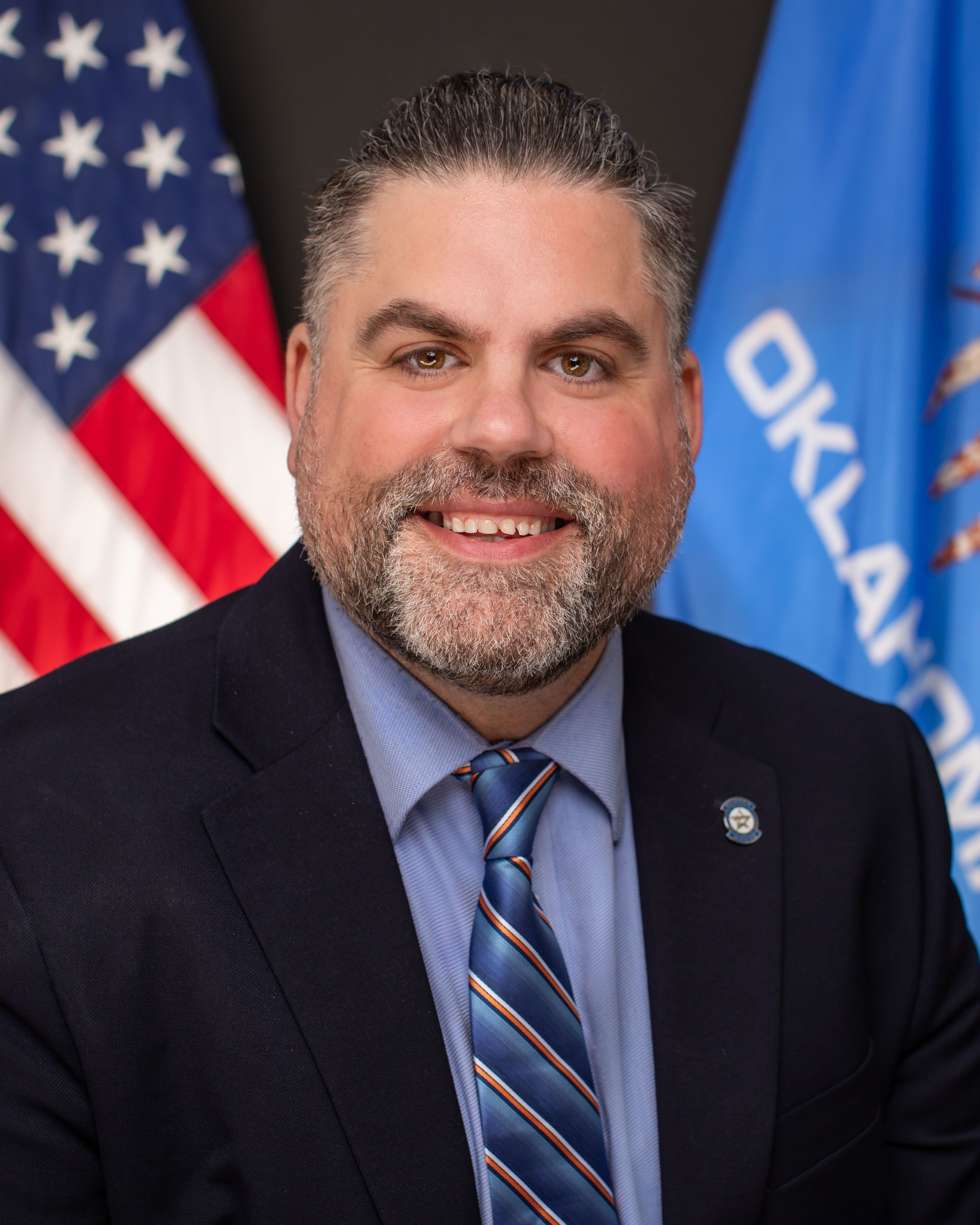
Jacob Rosecrants
Jacob Rosecrants House · District 46
D
Strong +
100% 6
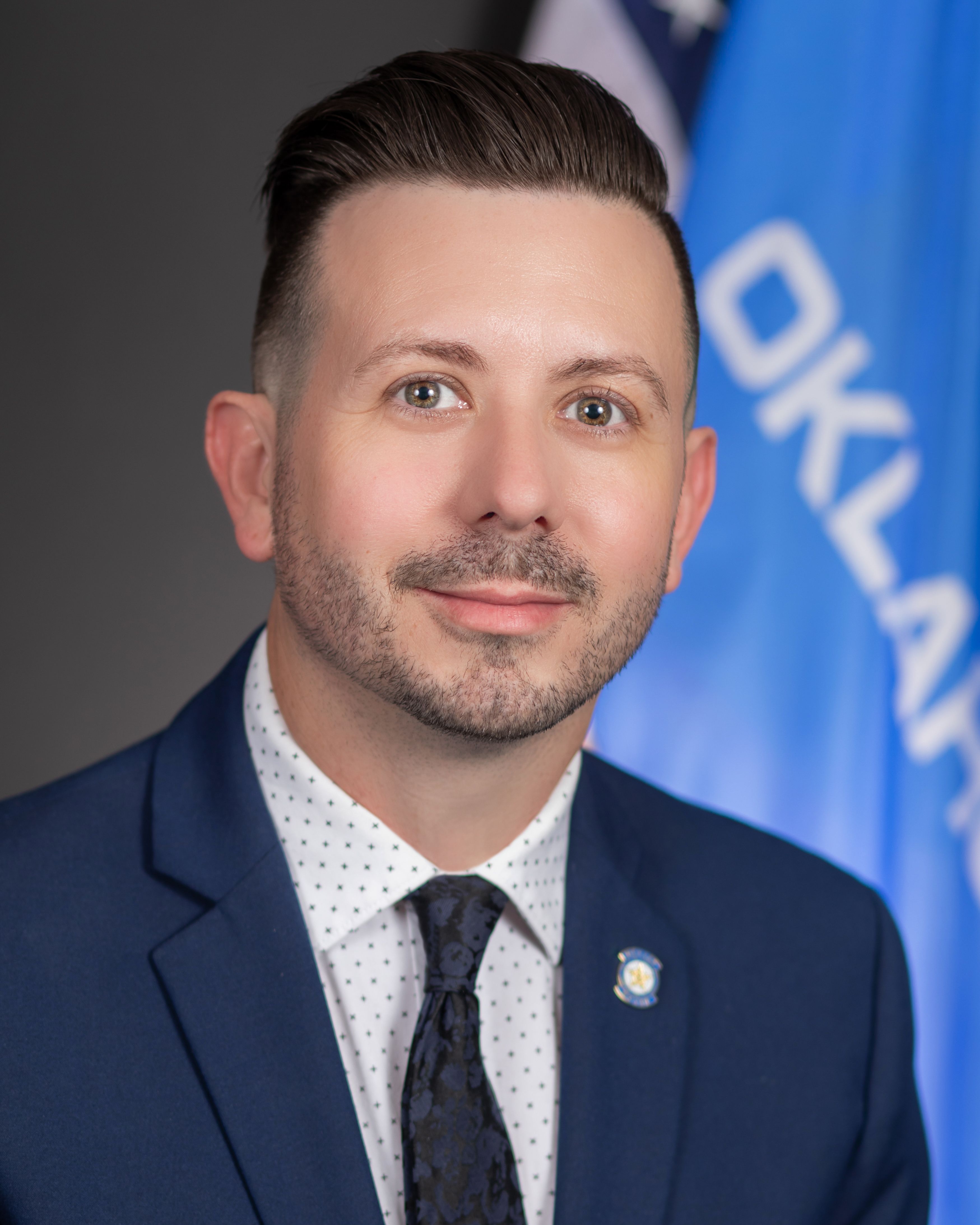
Jared Deck
Jared Deck House · District 44
D
Strong +
100% 6
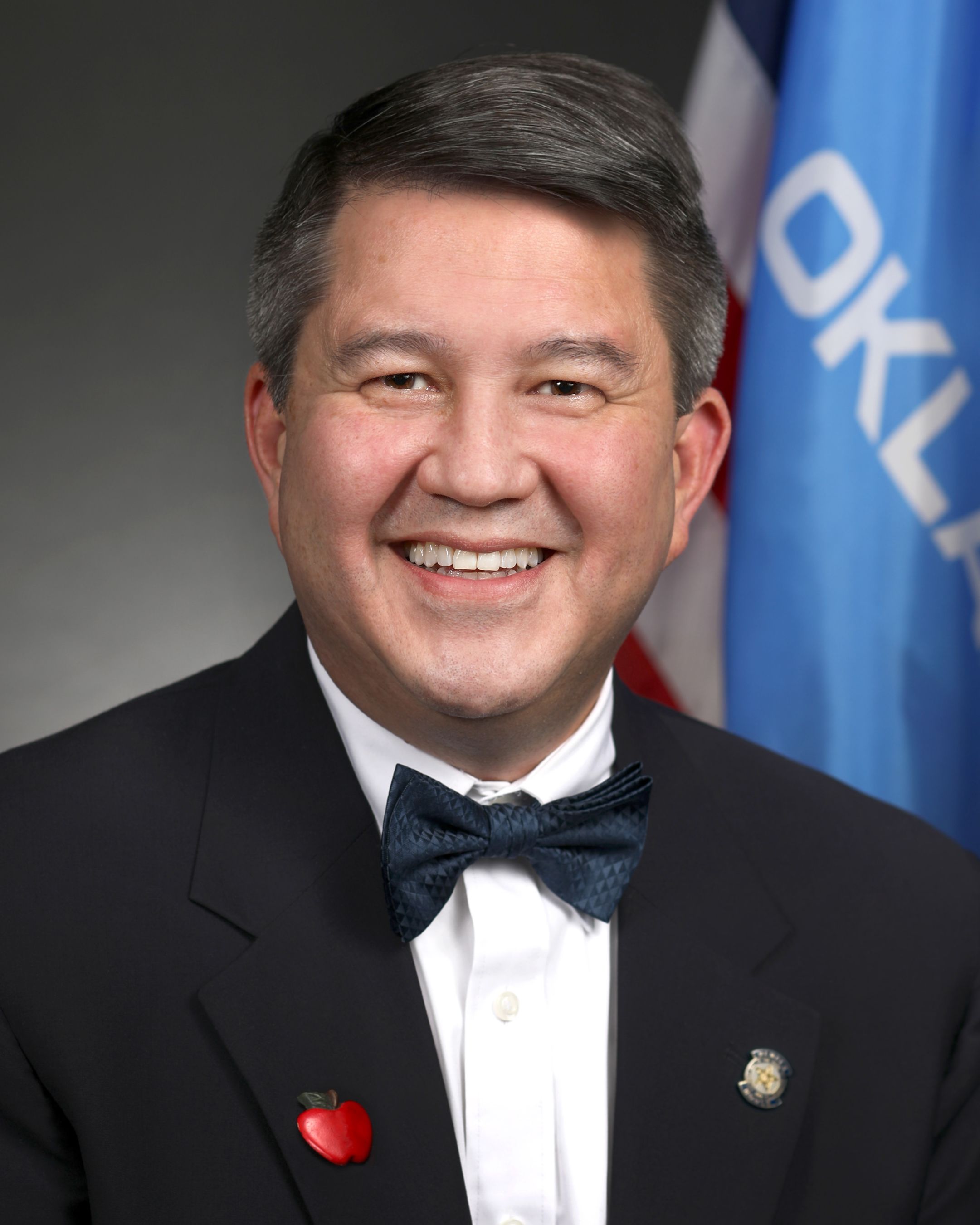
Andy Fugate
Andy Fugate House · District 94
D
Strong +
100% 5
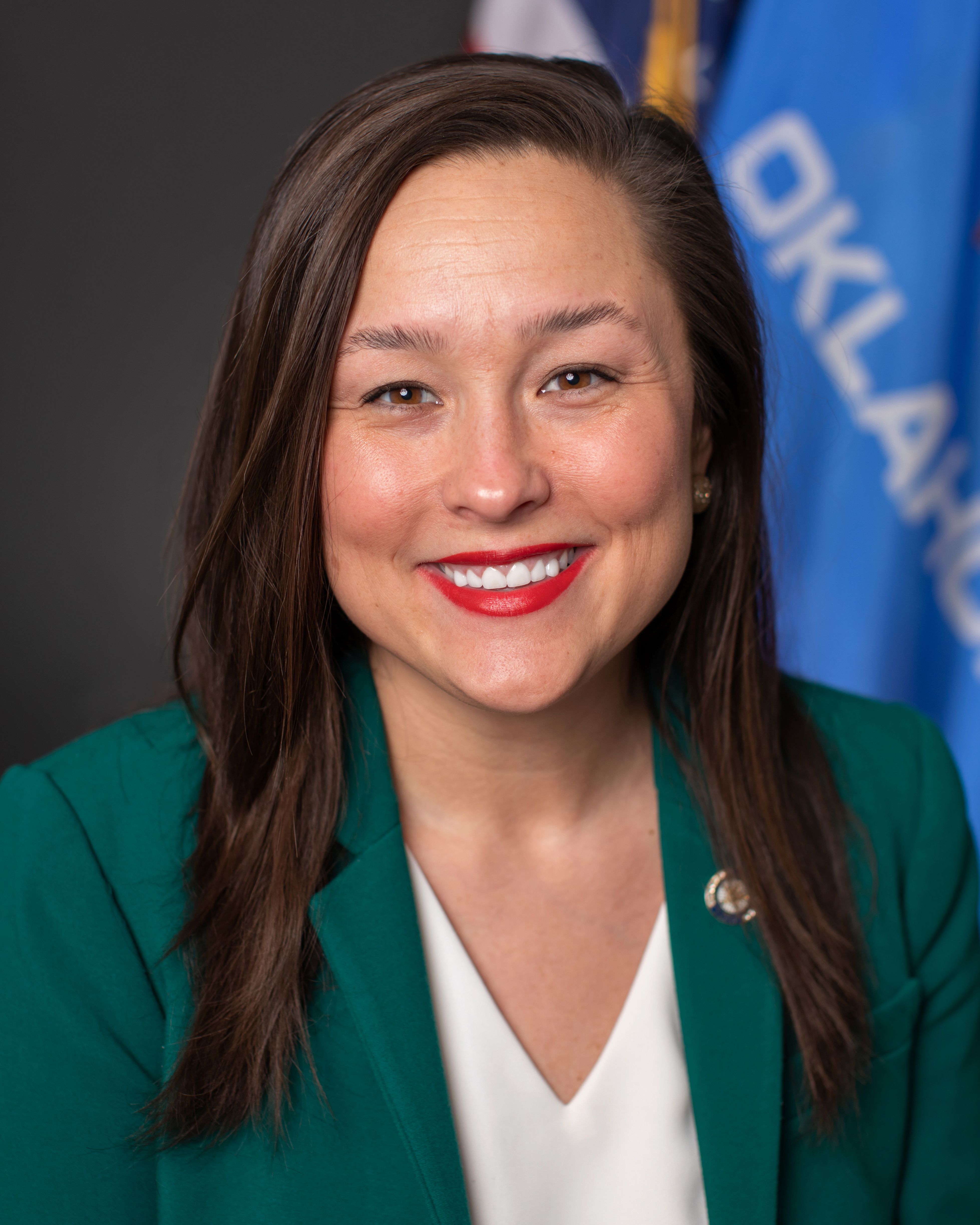
Arturo Alonso
Arturo Alonso House · District 89
D
Strong +
100% 5
Cyndi Munson
Cyndi Munson House · District 85
D
Strong +
100% 5
Molly Jenkins
Molly Jenkins House · District 33
R
Strong −
0% 6
David Smith
David Smith House · District 18
R
Strong −
0% 5
Jim Grego
Jim Grego House · District 17
R
Strong −
0% 5
Jim Shaw
Jim Shaw House · District 32
R
Strong −
0% 5
Rick West
Rick West House · District 3
R
Strong −
0% 5
Showing 11–20 of 21 bills

All criminal justice bills

in committee · Oklahoma · House Feb 4, 2025

HB 1320: Crimes and punishments; creating the Child Trafficking Protection Act of 2025; increasing penalties for certain unlawful act; effective date.

HB 1320 creates Oklahoma's "Child Trafficking Protection Act of 2025" by amending statutes to define human trafficking more broadly and significantly increase penalties. It specifically targets trafficking for commercial sex or labor, with harsher punishments: 5+ years to life for standard cases, and 15+ years to life without parole for offenses involving victims under 18. Key provisions include requiring offenders to pay victim restitution, mandating 85% of sentences be served before parole eligibility, and eliminating defenses based on victim consent or ignorance of a minor's age. The law directly affects traffickers and those exploiting victims, particularly minors, with stricter criminal consequences.
signed · Oklahoma · House May 28, 2025

HB 1462: Criminal procedure; directing courts to prioritize orders of payments of restitution; effective date.

HB 1462 requires Oklahoma courts to prioritize ordering restitution payments to crime victims when sentencing convicted defendants (excluding death penalty cases). The bill amends sentencing procedures to ensure courts consider restitution as a key requirement before other sentencing options, with interest accruing at 12% annually. It directly affects convicted individuals who must pay restitution, crime victims who receive priority for compensation, and courts that must now formally prioritize this in sentencing decisions. The law applies to all criminal convictions where restitution is feasible without causing undue hardship to the defendant.
in committee · Oklahoma · Senate Mar 17, 2025

SB 748: Larceny; establishing certain offense and providing penalty. Effective date.

SB 748 amends Oklahoma's larceny laws for theft from retail or wholesale businesses, establishing tiered penalties based on the value of stolen merchandise and prior convictions. It increases punishments for repeat offenses (e.g., third theft under $1,000 becomes a misdemeanor with up to 1 year in jail), classifies thefts of $1,000-$15,000 as felonies with prison terms up to 8 years, and requires restitution to victims. The bill also allows aggregating multiple thefts within 180 days for sentencing and imposes a $500 fine or 30 hours of community service for stealing shopping carts. This directly affects individuals who steal merchandise from stores, with penalties varying by value, frequency, and prior record.
in committee · Oklahoma · Senate Feb 4, 2025

SB 973: Debt collection; prohibiting certain contract with private debt collectors. Effective date.

SB 973 prohibits Oklahoma courts and state entities from contracting with private debt collectors to collect criminal fines, fees, costs, or restitution owed by individuals. This directly affects courts, state agencies handling collections, and private debt collection companies that previously managed these payments. The bill’s key provision, added to Oklahoma law, bans such contracts without altering existing court cost structures for criminal cases. It repeals related sections of law (19 O.S. §§ 514.4-514.5) that governed court cost compliance programs. The law aims to keep collection of criminal justice debts within public systems, not private contractors.
Sub-Topics Courts Victims' Rights
passed · Oklahoma · House Apr 17, 2025

HB 1215: Human trafficking; creating the Human Trafficking Law; modifying scope of certain defined terms; requiring registration with the Sex Offenders Act; directing Information be submitted to the FBI; effective date.

HB 1215 establishes Oklahoma's first comprehensive human trafficking law by defining key terms like "coercion" (including threats, debt bondage, and controlling documents) and "human trafficking" (covering both labor exploitation and commercial sex acts). It makes trafficking a felony punishable by 5-20 years in prison (or $100,000 fine) for general cases, and 15-99 years (or $250,000 fine) if the victim is a minor. Convicted traffickers must register as sex offenders under Oklahoma's Sex Offenders Act and have their information submitted to the FBI. The law also prohibits using a victim's consent as a defense and requires courts to order restitution to victims.
in committee · Oklahoma · Senate Feb 4, 2025

SB 154: Restitution; requiring court to prioritize order for restitution to victims. Effective date.

SB 154 requires Oklahoma courts to prioritize ordering restitution payments to crime victims when sentencing defendants convicted of crimes (excluding death penalty cases). The bill amends sentencing guidelines to explicitly state that courts "shall prioritize an order for payments of restitution to the victim to the extent feasible" before considering other sentencing options like community service or fines. It directly affects courts, victims seeking compensation, and defendants required to pay restitution. The key change is a procedural shift in sentencing priorities, ensuring restitution is addressed early in the process without altering existing restitution rates or amounts.
in committee · Oklahoma · House Feb 4, 2025

HB 2924: Victim protective orders; directing peace officers to serve order and complete return of service when filing petition; effective date.

HB 2924 requires peace officers to immediately notify judges when victims request emergency protective orders for domestic violence, stalking, harassment, or related crimes, and to assist victims in completing petitions. Officers must make "every attempt" to serve the order on the defendant and file the petition with the court the next business day if service isn't possible, with clerks prioritizing service. The bill mandates 14-day hearing deadlines for emergency orders and specifies court clerks must document assigned hearing times. This affects victims of domestic violence and related crimes, as well as law enforcement and court staff handling protective order cases.
in committee · Oklahoma · House Feb 4, 2025

HB 1622: Crimes and punishments; modifying threshold amounts for certain penalties; effective date.

HB 1622 amends Oklahoma's larceny statute to lower the threshold for misdemeanor penalties when stealing retail or wholesale merchandise. It reduces the value threshold from $1,000 to $500 for first or second convictions, meaning thefts under $500 now carry misdemeanor penalties (up to 30 days jail or $500 fine), while thefts of $500-$2,500 remain felonies. The bill also clarifies that multiple thefts within 180 days can be combined to determine penalties, and requires restitution for victims. This directly affects individuals convicted of retail theft in Oklahoma, altering the severity of penalties based on the stolen property's value.
vetoed · Oklahoma · House May 29, 2025

HB 1592: Larceny; providing elements of organized retail crime; codification; effective date.

HB 1592 defines "organized retail crime" in Oklahoma, making it a separate offense when two or more specific circumstances occur during retail theft (such as property intended for resale, multiple people acting jointly, using tools to evade detection, or removing anti-shoplifting devices). It sets penalties: up to 5 years in prison or a $1,000 fine for stolen property under $15,000, and up to 8 years in prison or a $1,000 fine for $15,000 or more, plus mandatory restitution. The bill also amends statutes to clarify "pattern of criminal offenses" and recreates the Oklahoma Organized Retail Crime Task Force to study retail theft countermeasures. This law directly affects individuals committing retail theft meeting the defined criteria, with the task force providing policy recommendations until December 2024.
in committee · Oklahoma · Senate Feb 4, 2025

SB 855: Larceny; modifying value threshold for certain misdemeanor and felony offenses. Effective date.

SB 855 modifies Oklahoma's larceny laws for merchandise stolen from retailers or wholesalers by raising value thresholds that determine misdemeanor versus felony charges. It increases the threshold for misdemeanor offenses from $500 to $1,000 for first and second thefts, and for third or subsequent offenses. For felony charges, the bill sets the minimum value at $1,000 (so thefts of $1,000 or more are now felonies, whereas lower values were previously classified as felonies). The bill also requires restitution to victims and allows multiple thefts within 180 days to be combined for sentencing.
Showing 11 to 20 of 21 bills