Issue · Criminal Justice

Criminal Justice (Domestic Violence)

Every criminal justice bill, vote, and legislator stance in Oklahoma, automatically classified by Maddy, our AI policy reader.

Total bills
35
2026 Regular Session
Top supporter
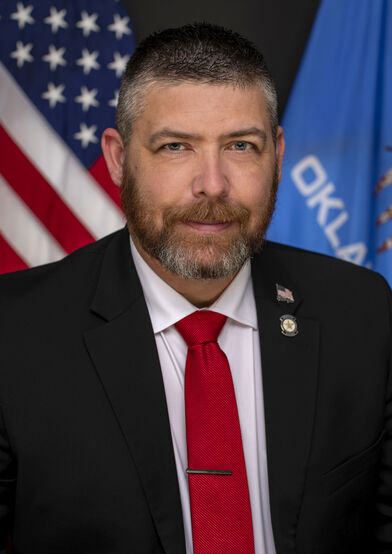
Rande Worthen
83% support rate
Top opponent
John Pfeiffer
0% support rate
Ranked legislators
10
5 support · 5 oppose
Key legislators

Who's moving domestic violence in Oklahoma

Legislators moving domestic violence in Oklahoma
Legislator Party Stance Support rate Decisive votes
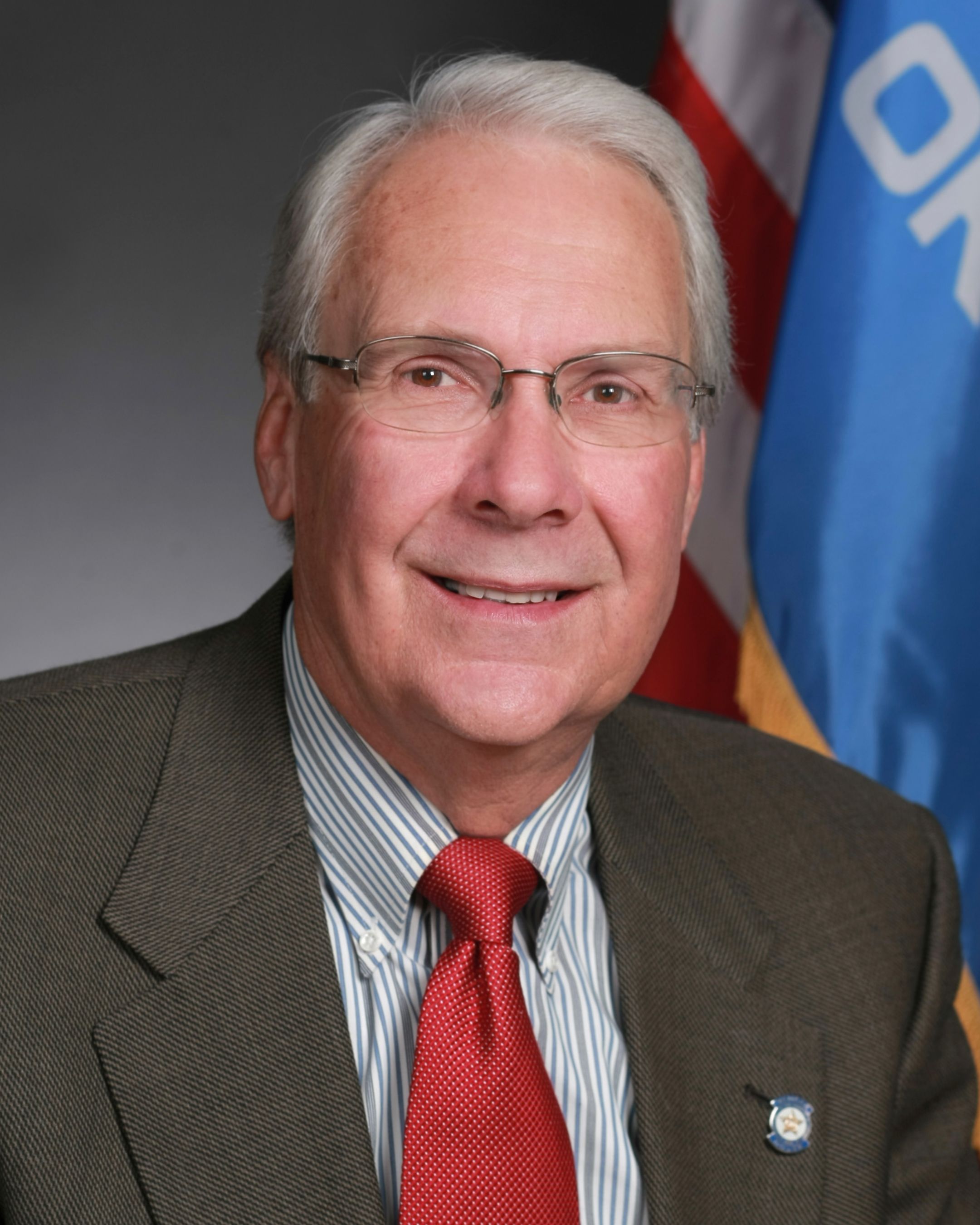
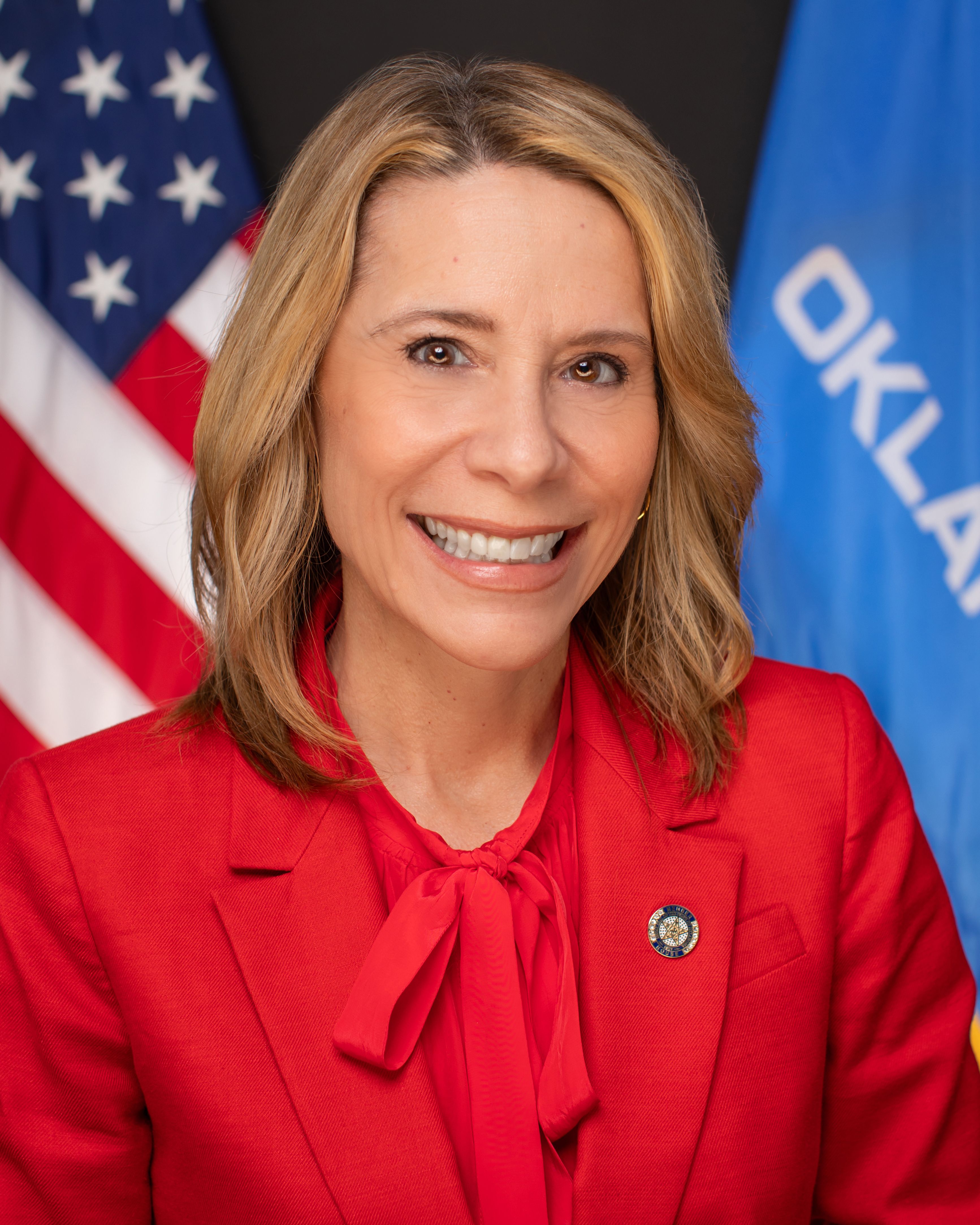
Rande Worthen
Rande Worthen House · District 64
R
Strong +
83% 6
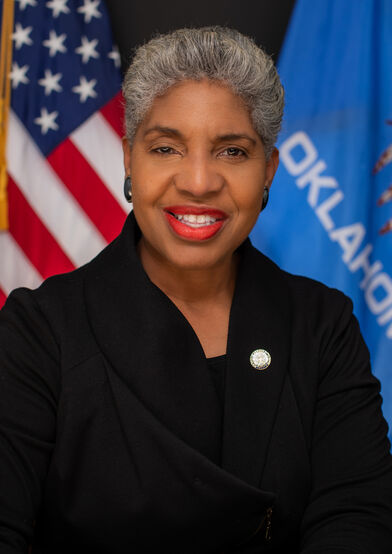
Regina Goodwin
Regina Goodwin Senate · District 11
D
Strong +
80% 5
Andy Fugate
Andy Fugate House · District 94
D
Support
75% 4
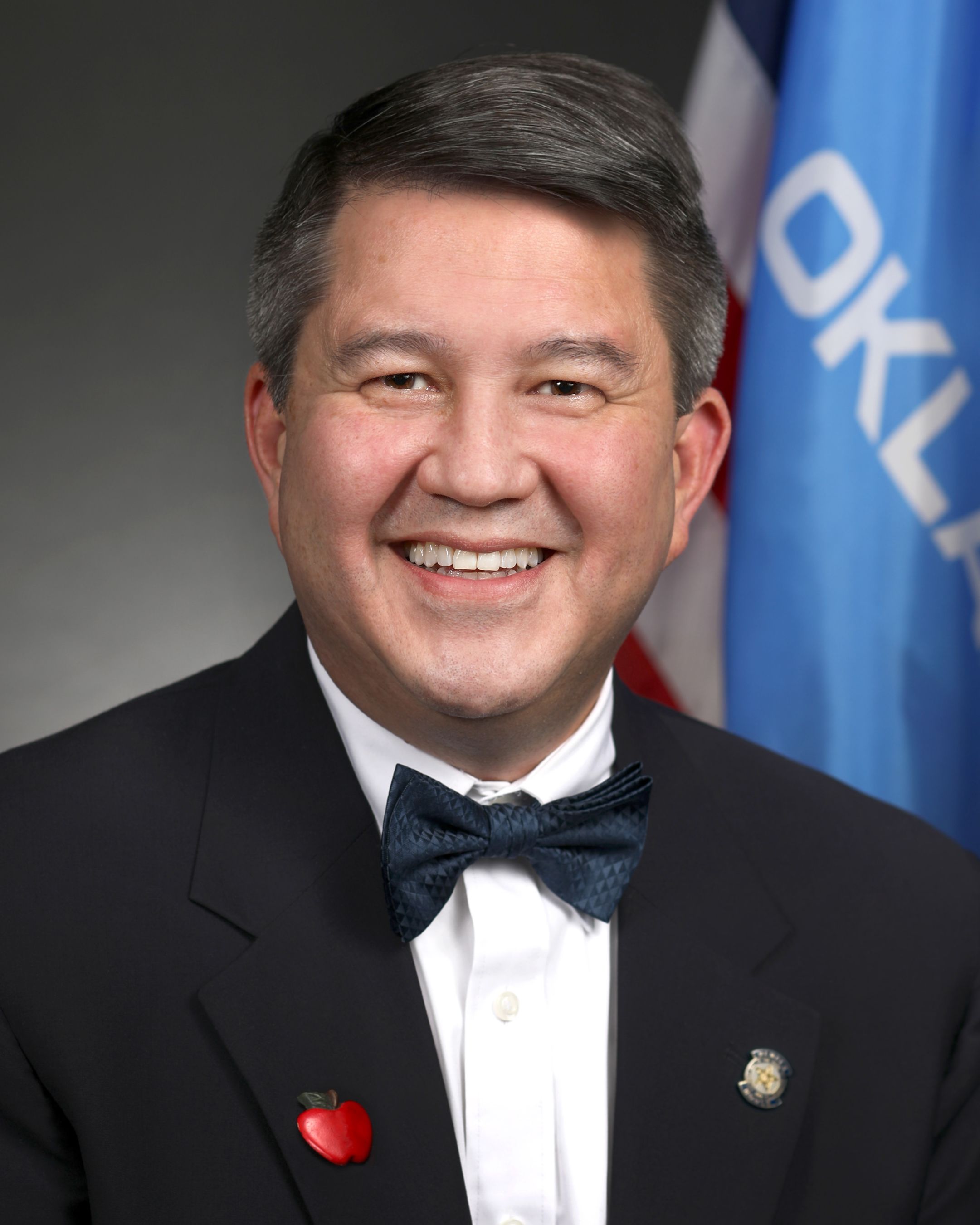
David Smith
David Smith House · District 18
R
Support
75% 4
Ellyn Hefner
Ellyn Hefner House · District 87
D
Support
75% 4
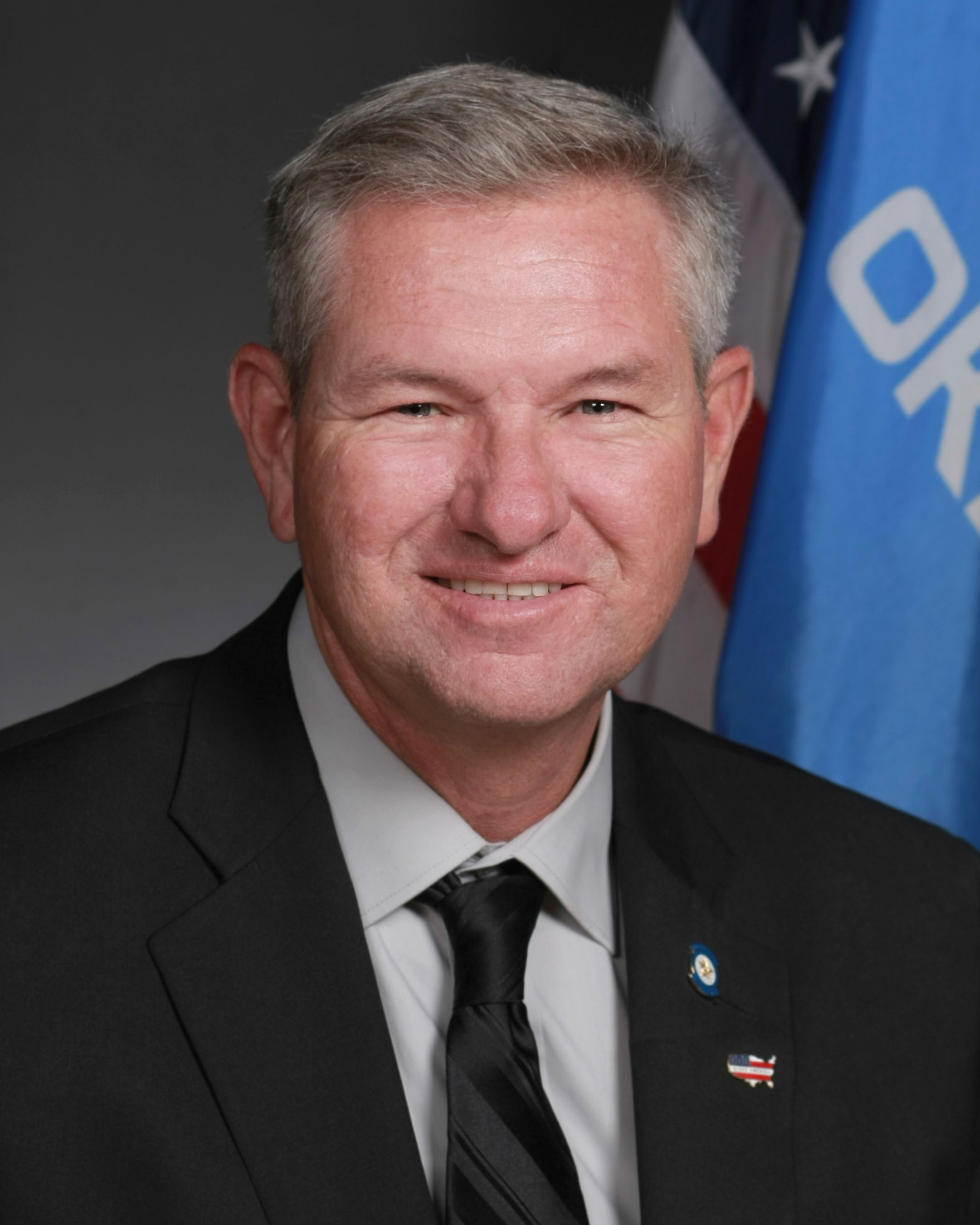
John Pfeiffer
John Pfeiffer House · District 38
R
Strong −
0% 3
Josh West
Josh West House · District 5
R
Strong −
0% 3
Anthony Moore
Anthony Moore House · District 57
R
Strong −
20% 5
Jonathan Wingard
Jonathan Wingard Senate · District 13
R
Strong −
20% 5
Spencer Kern
Spencer Kern Senate · District 31
R
Strong −
20% 5
Showing 11–20 of 35 bills

All criminal justice bills

in committee · Oklahoma · Senate Feb 10, 2026

SB 1925: Protection from Domestic Abuse Act; modifying penalties for protective order violations. Effective date.

SB 1925 amends Oklahoma's penalties for violating protective orders in domestic abuse cases. It increases fines and jail terms for repeat violations and for violations causing physical injury, with mandatory 52-week domestic abuse treatment programs for offenders. First-time violations without injury carry up to 1 year in jail or $1,000 fines, while second-time violations become Class D1 felonies with 1-3 years in prison. Violations causing injury now trigger misdemeanor Class D1 felony charges with 20 days to 3 years in prison, plus mandatory counseling. The bill directly affects individuals convicted of breaching domestic abuse protective orders.
in committee · Oklahoma · Senate Feb 4, 2026

SB 1609: Oklahoma Evidence Code; providing for admissibility of certain statements. Effective date.

SB 1609 allows victim statements about specific violent incidents - poisoning, shooting, or assault with intent to kill - to be used as evidence in court. These statements, made within one week to law enforcement or in protective order applications, become admissible in criminal and juvenile cases, including hearings on probation or protective orders. The bill directly affects victims of these crimes and law enforcement by streamlining how their accounts can be presented in court. It removes typical barriers requiring separate proof of reliability for such statements, making them automatically admissible under the specified conditions.
passed · Oklahoma · House Apr 15, 2026

HB 3287: Public health and safety; directing hospitals and health care facilities to post certain signage; codification; effective date.

HB 3287 requires all Oklahoma hospitals and healthcare facilities to post clear signage in visible and private areas, stating: "If you are a victim of domestic abuse or human trafficking for commercial sex, please notify the staff of this facility immediately." The bill mandates facilities to create protocols for reporting suspected abuse or trafficking cases to law enforcement before a patient's discharge or release, while also including procedures to protect victims from contact with alleged perpetrators during this process. The State Department of Health must establish rules for signage size, placement, and format. This law takes effect on November 1, 2026, directly impacting healthcare providers and supporting victims of domestic violence and human trafficking.
passed · Oklahoma · House Apr 16, 2026

HB 3905: Domestic violence; requiring use of Global Positioning System (GPS) monitoring devices; effective date.

HB 3905 would require Oklahoma courts to mandate GPS monitoring devices for individuals convicted of domestic violence offenses as a standard condition of release or probation, unless the court determines it is unnecessary. This directly affects domestic violence offenders under court supervision and the judicial system managing their cases. The key provision establishes GPS tracking as a default measure, with judges retaining discretion to waive it for specific reasons. The policy aims to enhance victim safety by providing real-time location data of offenders.
died · Oklahoma · House Feb 4, 2026

HB 3756: Criminal procedure; modifying and deleting conditions related to bail procedures; providing for advance waivers of extradition; codification; effective date.

HB 3756 modifies Oklahoma's bail procedures for defendants charged with domestic violence, substance offenses, or repeat crimes. It requires courts to consider specific risk factors (like domestic violence history, substance dependence, or weapon access) when setting bail conditions, particularly in felony cases involving domestic abuse or stalking. The bill also creates a new provision: defendants admitted to bail must sign an advance waiver of extradition if they flee the state, automatically waiving their right to contest extradition upon apprehension in another jurisdiction. These changes apply to felony cases where bail is granted, directly affecting defendants in these specific criminal categories.
Sub-Topics Domestic Violence
signed · Oklahoma · Senate May 12, 2026

SB 1325: Protection from Domestic Abuse Act; requiring defendants charged with certain domestic violence offenses to use a Global Positioning System (GPS) device when released on bond. Effective date.

SB 1325 requires courts to mandate GPS monitoring for defendants charged with specific domestic violence offenses - such as domestic abuse by strangulation, with a deadly weapon, or after a prior conviction - when released on bond. Defendants must pay all costs for the GPS device and monitoring, which the Oklahoma Department of Corrections will administer until the case concludes. Victims may also request limited location monitoring (e.g., alerts if the defendant nears specified locations, excluding their home or workplace), but only after a court finds evidence of the defendant’s intent to commit violence. The bill takes effect November 1, 2026, and GPS devices must be removed if the defendant is acquitted, incarcerated, or the case dismissed.
signed · Oklahoma · Senate May 14, 2025

SB 731: Oklahoma Evidence Code; modifying certain hearsay exception to include statements by vulnerable adults. Effective date.

SB 731 expands Oklahoma's evidence rules to allow statements from "vulnerable adults" (as defined in state law) to be admitted as evidence in court cases involving abuse, neglect, or sexual contact. The bill specifically permits such statements in juvenile delinquency cases, criminal trials, and related proceedings when the vulnerable adult is a victim or witness to crimes like physical abuse, sexual assault, or domestic violence. These statements can be used without the person testifying in court if they're unavailable or if the court deems the statement non-testimonial. The law applies to cases involving specific crimes listed in Oklahoma statutes, including those against children or vulnerable adults.
signed · Oklahoma · Senate May 12, 2025

SB 813: Victim protective orders; modifying requirements for filing of certain petitions; requiring certain notice. Effective date. Emergency.

SB 813 updates Oklahoma's emergency protective order process for victims of domestic violence, stalking, harassment, rape, or related crimes. It requires peace officers to immediately provide victims with a petition form, assist in completing it, and contact a judge for emergency approval - then give victims a copy of the petition and a written statement confirming approval. The bill also mandates officers attempt to serve the order on the abuser, and if unable, file the petition with the court the next business day, with court clerks prioritizing service and assigning hearing dates. Additionally, it repeals a previous "Stalking Warning Letter" requirement and clarifies notice procedures to ensure victims receive timely information.
signed · Oklahoma · Senate May 15, 2025

SB 607: Oklahoma Evidence Code; providing for admissibility of certain statements in certain proceedings. Effective date.

SB 607 allows statements made by domestic abuse victims to law enforcement within one week of an incident, on protective order applications within one week, or as testimony at protective order hearings to be automatically admissible as evidence in criminal and juvenile domestic abuse cases. This applies to pre-trial hearings, probation revocation hearings, and other related proceedings. The bill directly affects victims seeking legal protection and prosecutors building cases, streamlining the use of timely victim statements without requiring additional verification. It becomes effective November 1, 2025, and codifies these admissibility rules in Oklahoma's Evidence Code.
in committee · Oklahoma · Senate Feb 4, 2025

SB 163: Child custody; defining term. Effective date.

SB 163 amends Oklahoma's child custody law to clarify and strengthen requirements for joint custody arrangements. It requires parents seeking joint custody to submit detailed written plans covering living arrangements, child support, medical care, school placement, and visitation, along with signed affidavits agreeing to the plan. The bill creates a strong presumption that joint custody is inappropriate if domestic violence, child abuse, stalking, or harassment has occurred, prioritizing the child's safety. Courts must consider the victim's safety as a primary factor and can modify or terminate joint custody plans if they determine it's not in the child's best interest. The law becomes effective upon enactment.
Sub-Topics Domestic Violence
Showing 11 to 20 of 35 bills
Previous 1 2 3 … 4 Next