Issue · Criminal Justice

Criminal Justice (Law Enforcement)

Every criminal justice bill, vote, and legislator stance in Oklahoma, automatically classified by Maddy, our AI policy reader.

Total bills
107
2026 Regular Session
Top supporter
Trey Caldwell
100% support rate
Top opponent
Brian Guthrie
17% support rate
Ranked legislators
10
5 support · 5 oppose
Key legislators

Who's moving law enforcement in Oklahoma

Legislators moving law enforcement in Oklahoma
Legislator Party Stance Support rate Votes
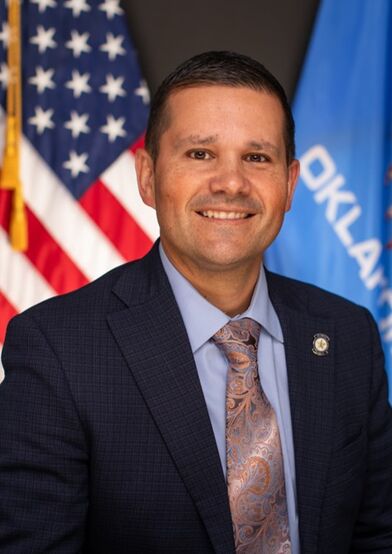
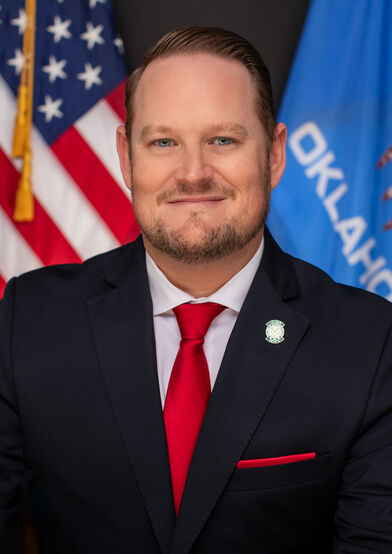
Trey Caldwell
Trey Caldwell House · District 63
R
Strong +
100% 5
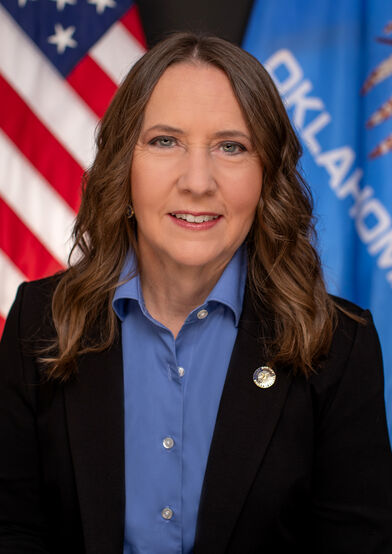
Nicole Miller
Nicole Miller House · District 82
R
Strong +
100% 4
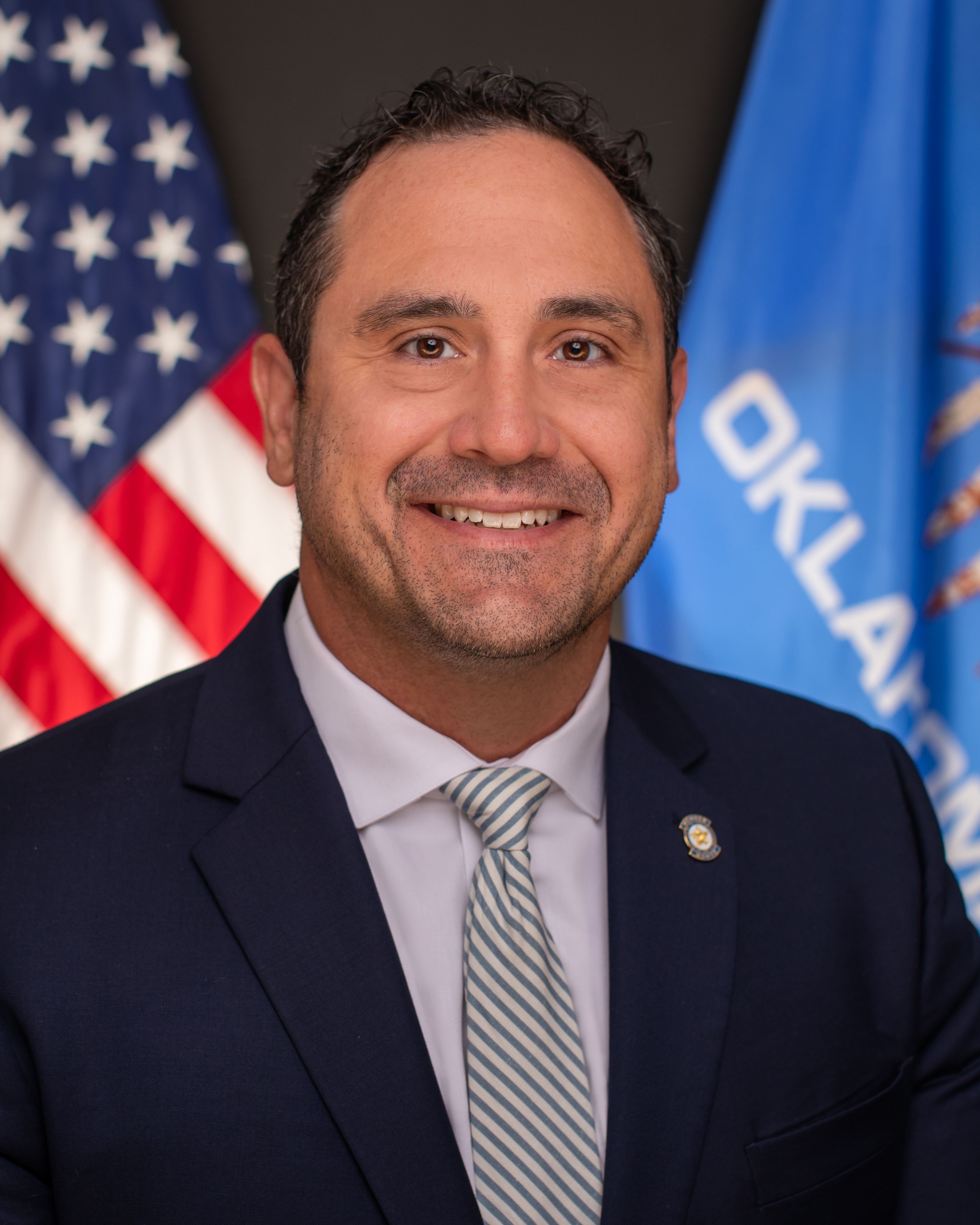
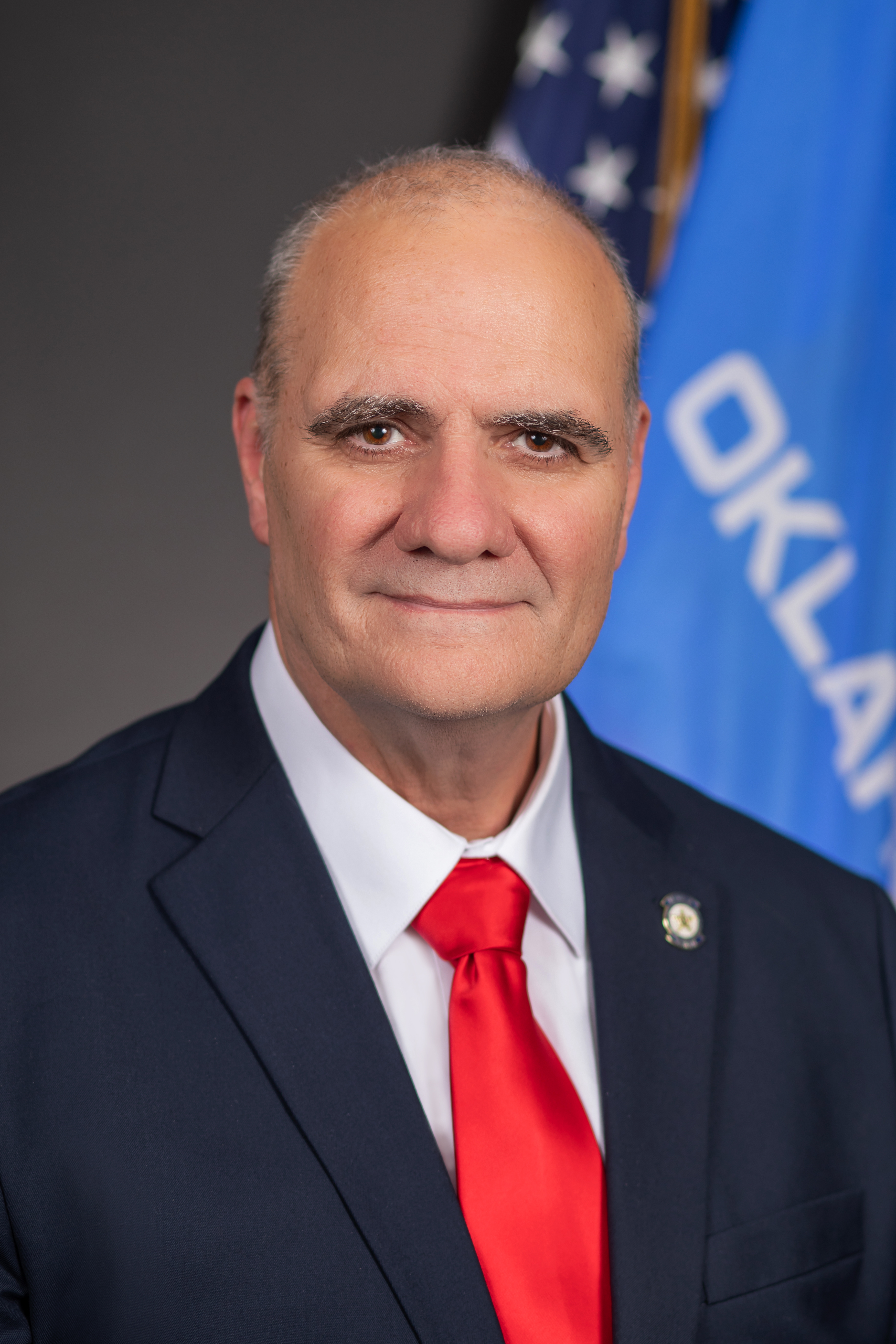
Bryan Logan
Bryan Logan Senate · District 8
R
Strong +
100% 3
Nick Archer
Nick Archer House · District 55
R
Strong +
100% 3
Eddy Dempsey
Eddy Dempsey House · District 1
R
Strong +
88% 8
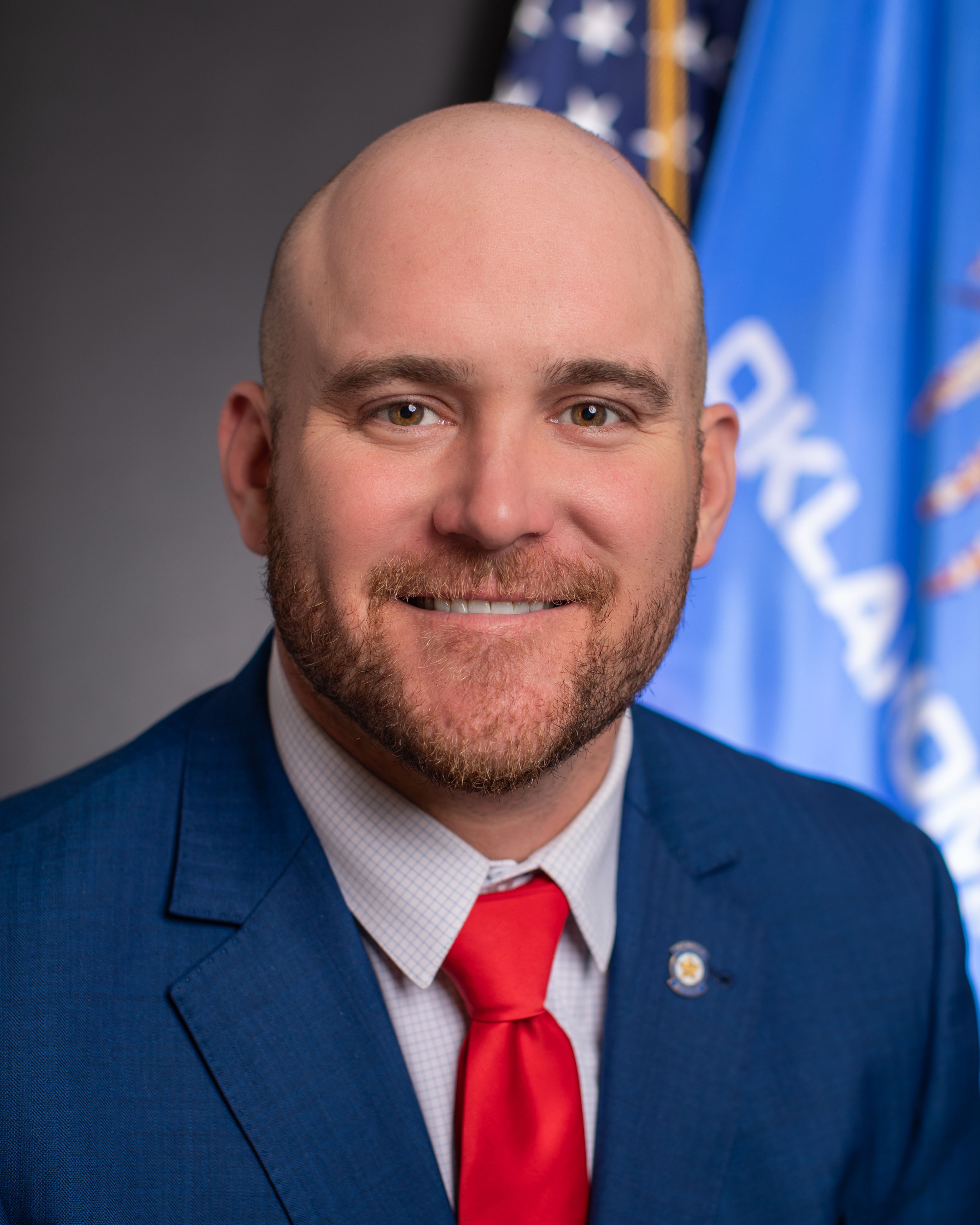
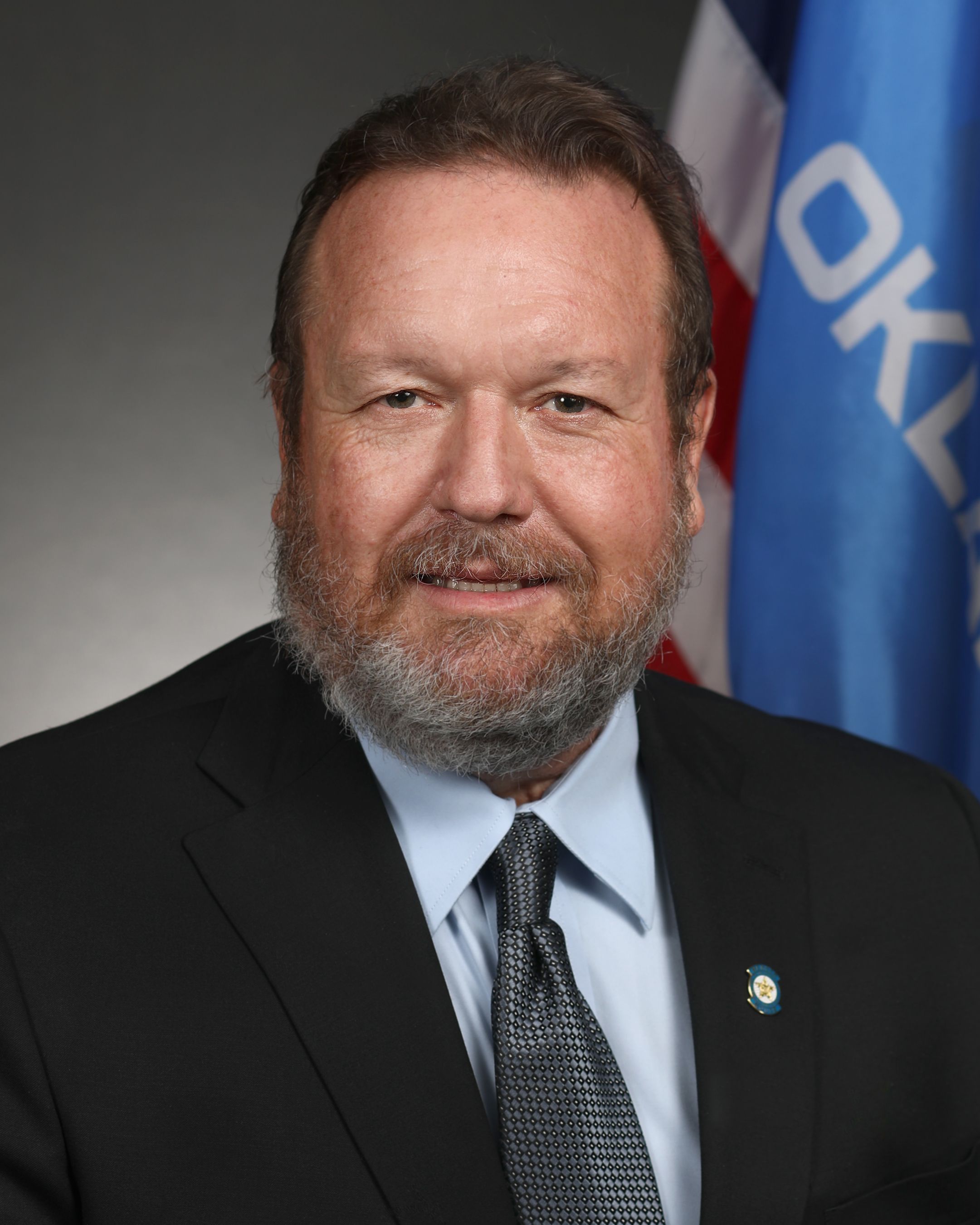
Brian Guthrie
Brian Guthrie Senate · District 25
R
Strong −
17% 6
Julie McIntosh
Julie McIntosh Senate · District 3
R
Strong −
17% 6
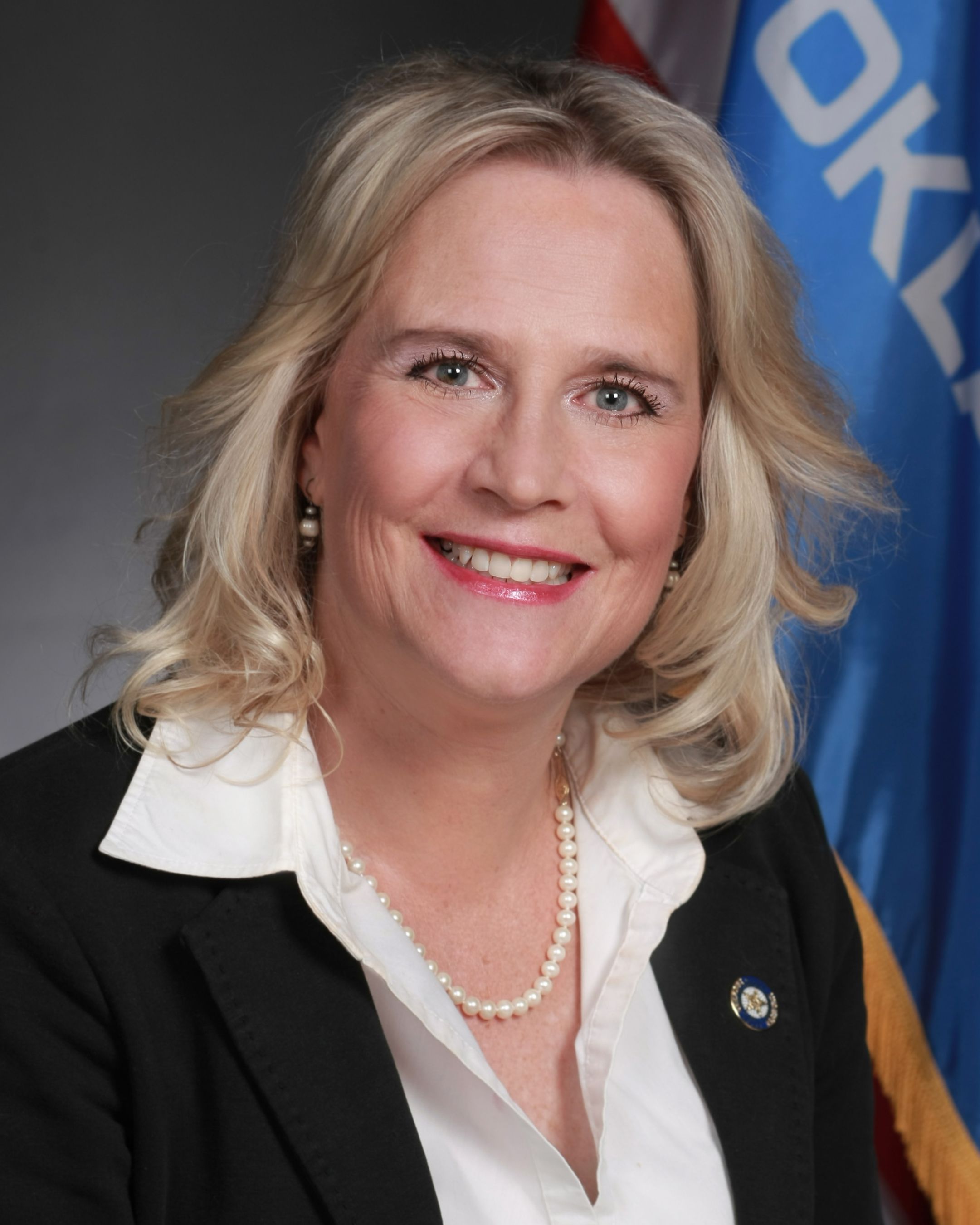
Lisa Standridge
Lisa Standridge Senate · District 15
R
Strong −
17% 6
Dana Prieto
Dana Prieto Senate · District 34
R
Oppose
25% 8
Dusty Deevers
Dusty Deevers Senate · District 32
R
Oppose
29% 7
Showing 101–107 of 107 bills

All criminal justice bills

in committee · Oklahoma · House Feb 4, 2025

HB 1317: Criminal procedure; clarifying and including additional evidentiary disclosure requirements for prosecutors; effective date.

HB 1317 clarifies and expands Oklahoma prosecutors' requirements to disclose evidence to defense attorneys in criminal cases. It mandates that prosecutors share specific information including witness statements, law enforcement reports, forensic lab results (with privacy protections for SSN/address), and any evidence that could help the defense (e.g., evidence negating guilt or impeaching witnesses). The bill directly affects prosecutors, who must now make a "diligent, good faith effort" to locate and disclose all relevant evidence, including materials held by third-party labs. Key mechanisms include new categories for witness background checks (OSBI rap sheets) and explicit disclosure of all evidence relevant to defense strategies, regardless of whether it's recorded. This aims to improve transparency in criminal proceedings for defendants and their attorneys.
Sub-Topics Law Enforcement
in committee · Oklahoma · House Feb 4, 2025

HB 1626: Motor vehicles; defining terms; authorizing certain use of automatic license plate reader systems; effective date.

HB 1626 regulates how Oklahoma law enforcement agencies use automatic license plate reader (ALPR) systems on highways. It requires agencies to obtain permits from the Oklahoma Department of Transportation before installation, adopt public policies covering data security, retention (deleting data after 30 days unless part of an active investigation), and prohibiting data sales, and limits use to official law enforcement purposes only. The bill explicitly prohibits using ALPRs to issue traffic citations or create hot lists without documented law enforcement justification. It applies to all state and local law enforcement agencies using these systems and takes effect November 1, 2025.
in committee · Oklahoma · House Feb 4, 2025

HB 1916: Artificial intelligence; Responsible Deployment of AI Systems Act; AI Council; AI Regulatory Sandbox Program; Artificial Intelligence Workforce Development Program; effective date.

HB 1916 requires Oklahoma businesses and government agencies to classify AI systems into four risk categories (Unacceptable, High, Limited, Minimal) before deployment. High-risk systems (e.g., in healthcare or law enforcement) must undergo safety assessments, include human oversight by qualified overseers, and notify individuals affected by AI decisions. Unacceptable-risk systems - such as discriminatory lending tools or unauthorized biometric surveillance - are prohibited. The bill establishes an AI Council to analyze public feedback, issue annual regulatory recommendations, and enforce penalties for noncompliance.
in committee · Oklahoma · Senate Feb 4, 2025

SB 543: Motorcycles; requiring law enforcement agencies to perform certain review and audit. Effective date.

SB 543 requires all Oklahoma law enforcement agencies to review and audit their current procedures, practices, and training related to "motorcycle profiling," defined as discriminatory stops or searches based on a person riding a motorcycle or wearing motorcycle-related gear without legal justification. The bill directly affects every law enforcement agency in Oklahoma by mandating this internal review to address potential bias. Key provisions include codifying this definition in state law (Title 47, Section 15-133) and requiring agencies to examine whether their actions comply with constitutional protections. The bill takes effect November 1, 2025, focusing on procedural accountability rather than new enforcement measures.
Sub-Topics Law Enforcement
in committee · Oklahoma · Senate Feb 24, 2025

SB 537: Cities and towns; requiring removal of vagrant within certain distance of business upon certain determination. Effective date.

SB 537 amends Oklahoma's vagrancy law to allow business owners to request police removal of individuals deemed "vagrants" (defined as those in public/private space for illegal purposes) who are within 12 feet of their business doorway. If police confirm the person meets this definition, they must relocate the individual at least one-half mile away from the business, ensuring the new location is not within one-quarter mile of any other business. This bill directly affects businesses seeking to address perceived disruptions, individuals potentially relocated under the policy, and law enforcement officers carrying out the procedure. The law takes effect November 1, 2025.
in committee · Oklahoma · House Feb 4, 2025

HB 1214: Human trafficking; Justice for Noncitizen Minors and Human Trafficking Accountability Act of 2025; findings; Human Trafficking Response Unit; report; information; Attorney General; standards; duties; task; terms; responsibilities; codification; effective date.

HB 1214 requires Oklahoma's Human Trafficking Response Unit to submit a detailed report by December 2026 documenting human trafficking cases involving noncitizen minors (under age 16) from 2021-2025, including patterns, perpetrators, and victim data. The report must meet legal evidentiary standards to support future civil cases against traffickers and organizations that failed to conduct "reasonable due diligence" in placing unaccompanied minors. The Attorney General must establish data collection protocols, including background checks, relationship verification, and home safety assessments for sponsors, to ensure information is admissible in court. This bill directly affects noncitizen minors, placement organizations, and law enforcement by creating a standardized framework for documenting trafficking and holding entities accountable.
in committee · Oklahoma · Senate Feb 4, 2025

SB 637: Appeal of criminal prosecutions; clarifying immunity provision for persons asserting certain claim; authorizing defendant to file motion to dismiss charges under certain circumstances. Effective date.

SB 637 amends Oklahoma law to clarify immunity for officers using deadly force and streamline related legal processes. It allows officers charged with unlawful deadly force to file a motion to dismiss charges before trial, and if denied, appeal directly to a county or district chief judge. The bill also updates appeal procedures so the state can challenge court rulings that find officers "not subject to criminal prosecution" under Section 732 of Title 21. This directly affects law enforcement officers facing criminal charges after using deadly force and the state’s ability to appeal pretrial dismissals.
Showing 101 to 107 of 107 bills
Previous 1 9 10 11