Issue · Criminal Justice

Criminal Justice (Juvenile Justice)

Every criminal justice bill, vote, and legislator stance in Oklahoma, automatically classified by Maddy, our AI policy reader.

Total bills
23
2026 Regular Session
Top supporter
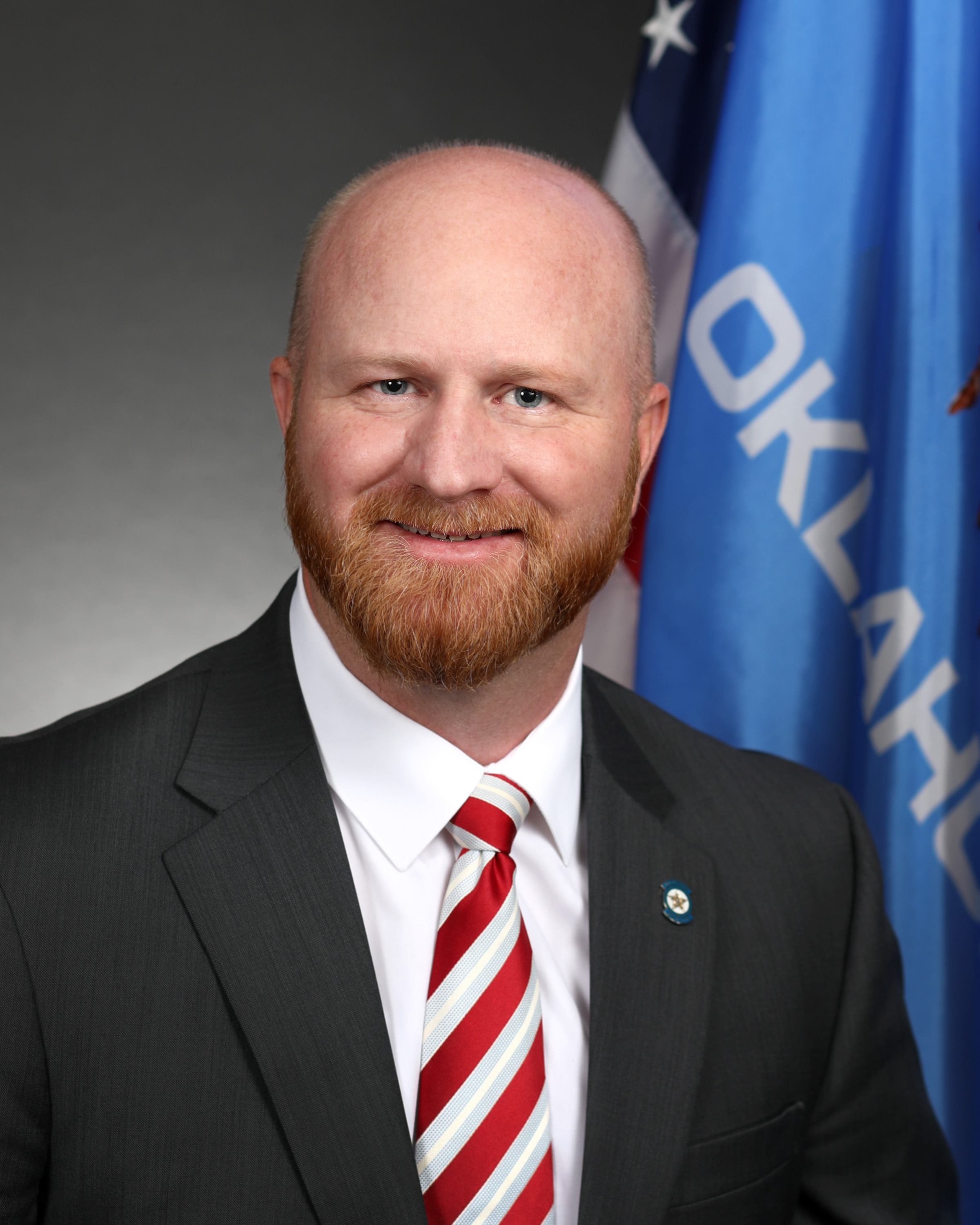
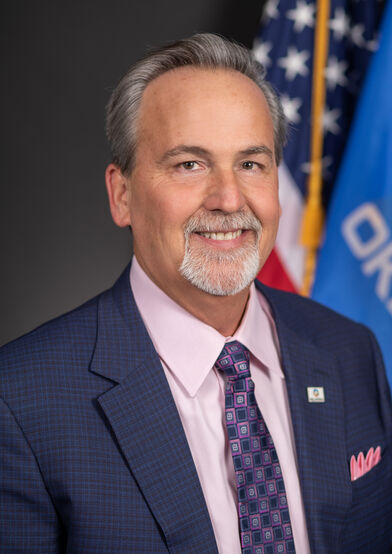
Brent Howard
100% support rate
Top opponent
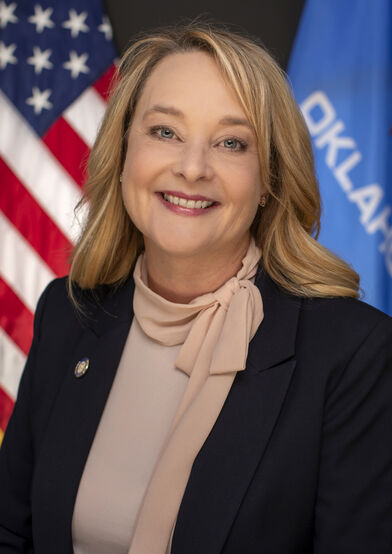
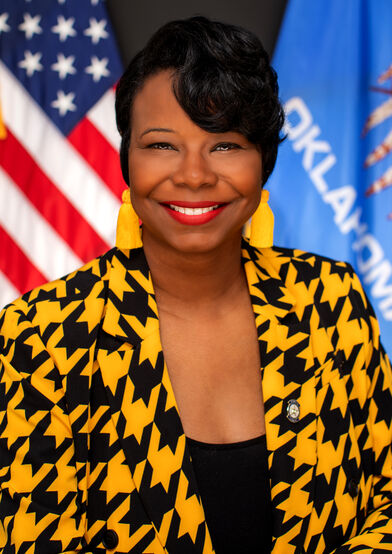
Nikki Nice
25% support rate
Ranked legislators
6
5 support · 1 oppose
Key legislators

Who's moving juvenile justice in Oklahoma

Legislators moving juvenile justice in Oklahoma
Legislator Party Stance Support rate Votes
Brent Howard
Brent Howard Senate · District 38
R
Strong +
100% 3
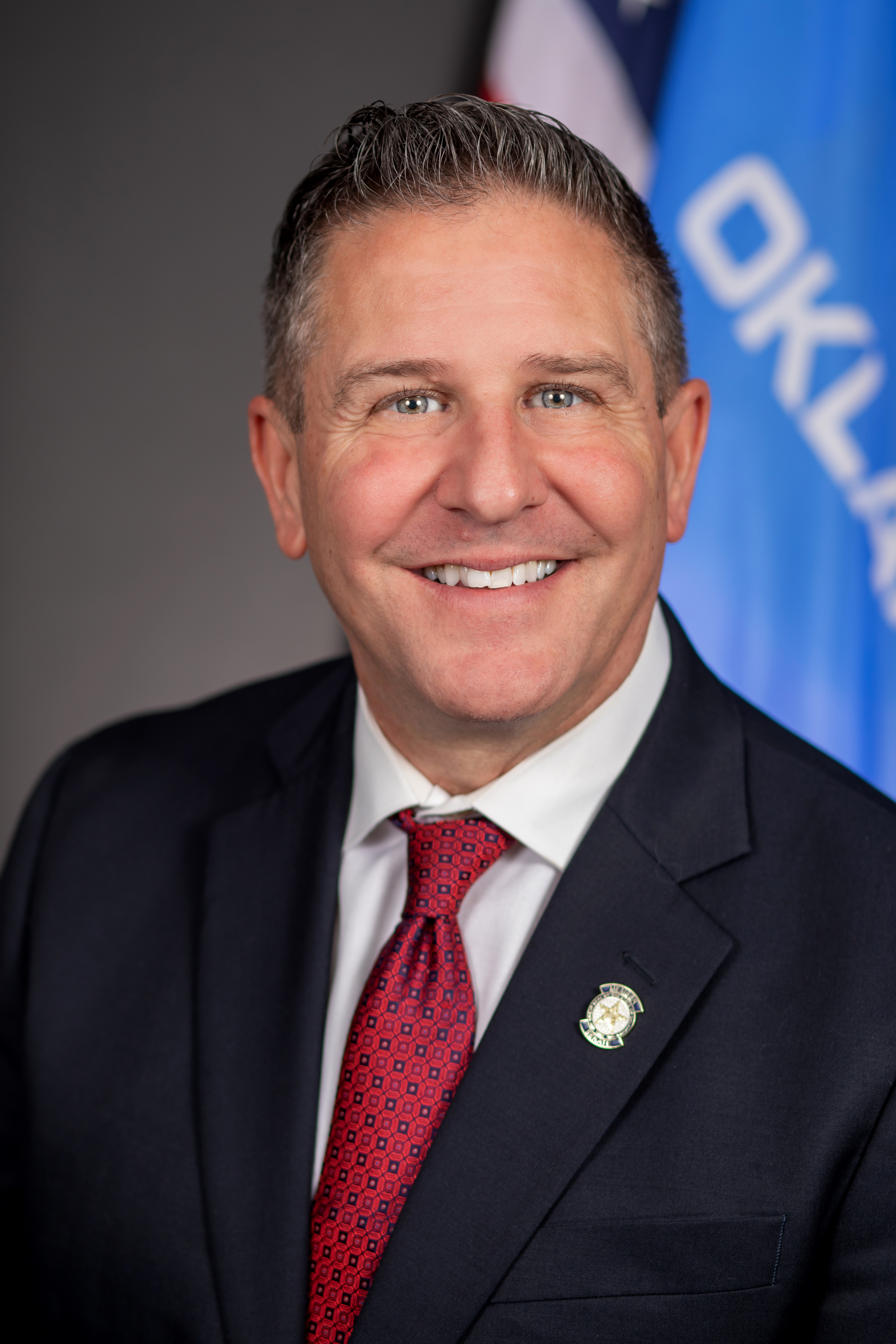
Darcy Jech
Darcy Jech Senate · District 26
R
Strong +
100% 3
Todd Gollihare
Todd Gollihare Senate · District 12
R
Strong +
100% 3
Lisa Standridge
Lisa Standridge Senate · District 15
R
Strong +
80% 5
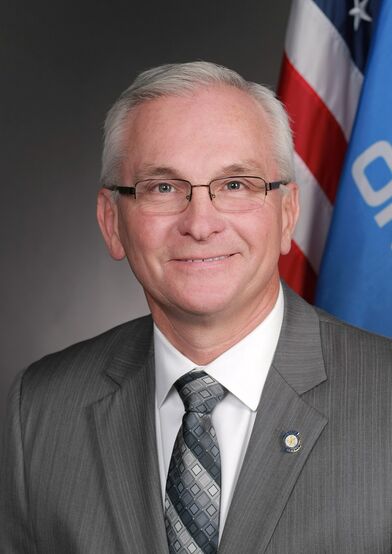
Bill Coleman
Bill Coleman Senate · District 10
R
Support
75% 4
Nikki Nice
Nikki Nice Senate · District 48
D
Oppose
25% 4
Showing 1–10 of 23 bills

All criminal justice bills

signed · Oklahoma · Senate May 29, 2026

SB 633: Children; Children's Code; enacting Leo's Law; fentanyl testing; child endangerment; appropriating funds. Effective date.

SB 633 requires Oklahoma's Office of Juvenile Affairs to implement a centralized management system for juvenile records, integrating with existing child welfare and juvenile justice systems. It authorizes specific schools (including the Oklahoma School for the Blind and Deaf), public school districts, and other personnel already permitted under state law to access certain confidential records and reports. The system must secure data while enabling case-specific tracking and program monitoring. The bill takes effect November 1, 2025.
Sub-Topics Juvenile Justice
passed · Oklahoma · House Apr 16, 2026

HB 3907: Vulnerable juveniles and adults; terms; Office of Juvenile Affairs; county juvenile detention centers; Department of Human Services; temporary staff members; effective date.

HB 3907 bans the use of temporary staffing agencies and contracting organizations for facilities serving vulnerable individuals in Oklahoma. The bill prohibits juvenile detention centers, post-adjudication treatment facilities, Intermediate Care Facilities for individuals with intellectual disabilities (ICF-IID), and adult companion homes certified by the Oklahoma Department of Human Services from hiring temporary staff or using external staffing agencies. Instead, these facilities must directly hire full-time staff for all positions. The law applies to facilities operated by the Oklahoma Juvenile Authority, Department of Human Services, or Oklahoma Health Care Authority and takes effect November 1, 2026.
Sub-Topics Juvenile Justice
in committee · Oklahoma · Senate Feb 3, 2026

SB 1911: Youthful Offender Act; prohibiting certification as a youthful offender for persons charged with certain sex offenses. Effective date. Emergency.

SB 1911 amends Oklahoma's Youthful Offender Act to prohibit certification as a youthful offender for minors (ages 15-17) charged with specific sex offenses, including rape by instrumentation, forcible sodomy, and lewd acts involving children under 16. This change means individuals facing these charges will be held accountable as adults from the outset, rather than having the option to be treated as youthful offenders. The bill directly affects minors charged with the listed offenses by removing their eligibility for youthful offender status under Oklahoma law. It updates existing statutory language to clarify that these cases will proceed under adult criminal procedures. The bill became effective immediately upon enactment.
Sub-Topics Juvenile Justice
in committee · Oklahoma · Senate Feb 3, 2026

SB 1881: Adjudicative hearings; authorizing hearings to be made public if in the public interest. Effective date.

SB 1881 modifies Oklahoma's juvenile court hearing rules to require public access for hearings involving a child's second or subsequent delinquency adjudication, while keeping most other juvenile hearings private. It mandates that courts make these repeat-offense hearings public unless a judge determines that public disclosure would substantially harm the child's mental or physical well-being. Victims, relatives, legal guardians, and designated representatives may attend all hearings, but the bill explicitly prohibits publishing juvenile identities in public reports. This change directly affects juvenile court participants, including victims, guardians, and the courts handling repeat delinquency cases under Oklahoma's Juvenile Code.
in committee · Oklahoma · Senate Feb 3, 2026

SB 1880: Oklahoma Juvenile Code; requiring certain persons who testify falsely to be placed on certain list. Effective date.

SB 1880 amends Oklahoma's Juvenile Code to address false testimony in child welfare cases. It requires the Department of Human Services (DHS) to maintain a public list on its website of individuals - such as child welfare workers, law enforcement, or state employees - who knowingly provide false information under oath during proceedings involving children alleged to be neglected or abused. This list can be used as evidence to assess the truthfulness of these individuals in future cases. The bill also imposes penalties, including fines up to $1,000 or up to two years in prison, for falsifying documents in cases where a child suffered great bodily harm or death. The law takes effect November 1, 2026.
in committee · Oklahoma · Senate Feb 3, 2026

SB 2097: Oklahoma Juvenile Code; modifying definitions. Effective date.

SB 2097 amends specific definitions within Oklahoma's Juvenile Code (10A O.S. 2021, Section 2-1-103) to clarify terminology used in juvenile justice proceedings. It defines key terms like "behavioral health" (including mental health and substance abuse treatment), "community-based" services (near-home programs for prevention/diversion), and "core community-based" services (specific counseling, case management, and rehabilitative treatments). The bill directly affects juveniles, families, and juvenile justice professionals by standardizing how services and legal terms are applied in court and treatment settings. This definition update aims to improve consistency in implementing existing juvenile justice programs and reporting.
in committee · Oklahoma · Senate Feb 3, 2026

SB 1607: Sentencing of juveniles; prohibiting imposition of certain terms of imprisonment for certain persons. Effective date.

SB 1607 prohibits sentencing juveniles (persons under 18 at the time of the offense) who are certified as adults for certain crimes to life imprisonment without parole or mandatory minimum sentences exceeding 20 years. The bill amends Oklahoma statutes (10A O.S. § 2-5-204 and 22 O.S. § 985.1) to establish these specific sentencing limits for juveniles tried as adults. It directly affects youth convicted of crimes after being certified to stand trial as adults under Oklahoma’s juvenile justice system. The law aims to limit severe prison terms for young offenders while maintaining adult criminal proceedings for those certified as adults.
in committee · Oklahoma · Senate Feb 4, 2026

SB 1609: Oklahoma Evidence Code; providing for admissibility of certain statements. Effective date.

SB 1609 allows victim statements about specific violent incidents - poisoning, shooting, or assault with intent to kill - to be used as evidence in court. These statements, made within one week to law enforcement or in protective order applications, become admissible in criminal and juvenile cases, including hearings on probation or protective orders. The bill directly affects victims of these crimes and law enforcement by streamlining how their accounts can be presented in court. It removes typical barriers requiring separate proof of reliability for such statements, making them automatically admissible under the specified conditions.
signed · Oklahoma · House May 4, 2026

HB 3849: Oklahoma Juvenile Code; Oklahoma Mentoring Children of Incarcerated Parents Program; purpose; mentoring services; applicant requirements; grants; effective date.

HB 3849 establishes the Oklahoma Mentoring Children of Incarcerated Parents Program under the Oklahoma Commission on Children and Youth. It provides one-on-one mentoring services to two specific groups: children in juvenile custody outside the home, and children identified as at risk of entering the juvenile justice system, who have parents in prison. The bill requires the Commission to issue competitive grants every three years to qualified 501(c)(3) nonprofit organizations meeting strict criteria, including serving ages 6-18, having statewide presence, 3+ years working with this population, and adhering to safety protocols. Grants are capped at $1,500 per mentor-mentee match, with awards to be made by November 1, 2024, for services starting in 2026. The program is effective November 1, 2026.
signed · Oklahoma · House May 12, 2026

HB 4142: Crimes and punishments; unlawful use of bombs or explosive devices; modifying elements of certain crimes; effective date.

HB 4142 amends Oklahoma's criminal code to clarify and expand offenses involving explosives, incendiary devices, and simulated bombs. It adds new felony charges for threatening to use such devices (Section 1767.1, subsection 7), manufacturing/selling them with intent to harm (subsection 4), and possessing them during felonies (subsection 9). The bill also updates definitions, explicitly including "simulated bombs" (devices designed to look like explosives but are inoperable) and clarifying terms like "explosive" and "incendiary device." It excludes harmless juvenile activities involving firecrackers or "stink bombs" from these provisions. The changes take effect on November 1, 2026.
Sub-Topics Juvenile Justice
Showing 1 to 10 of 23 bills
1 2 3 Next