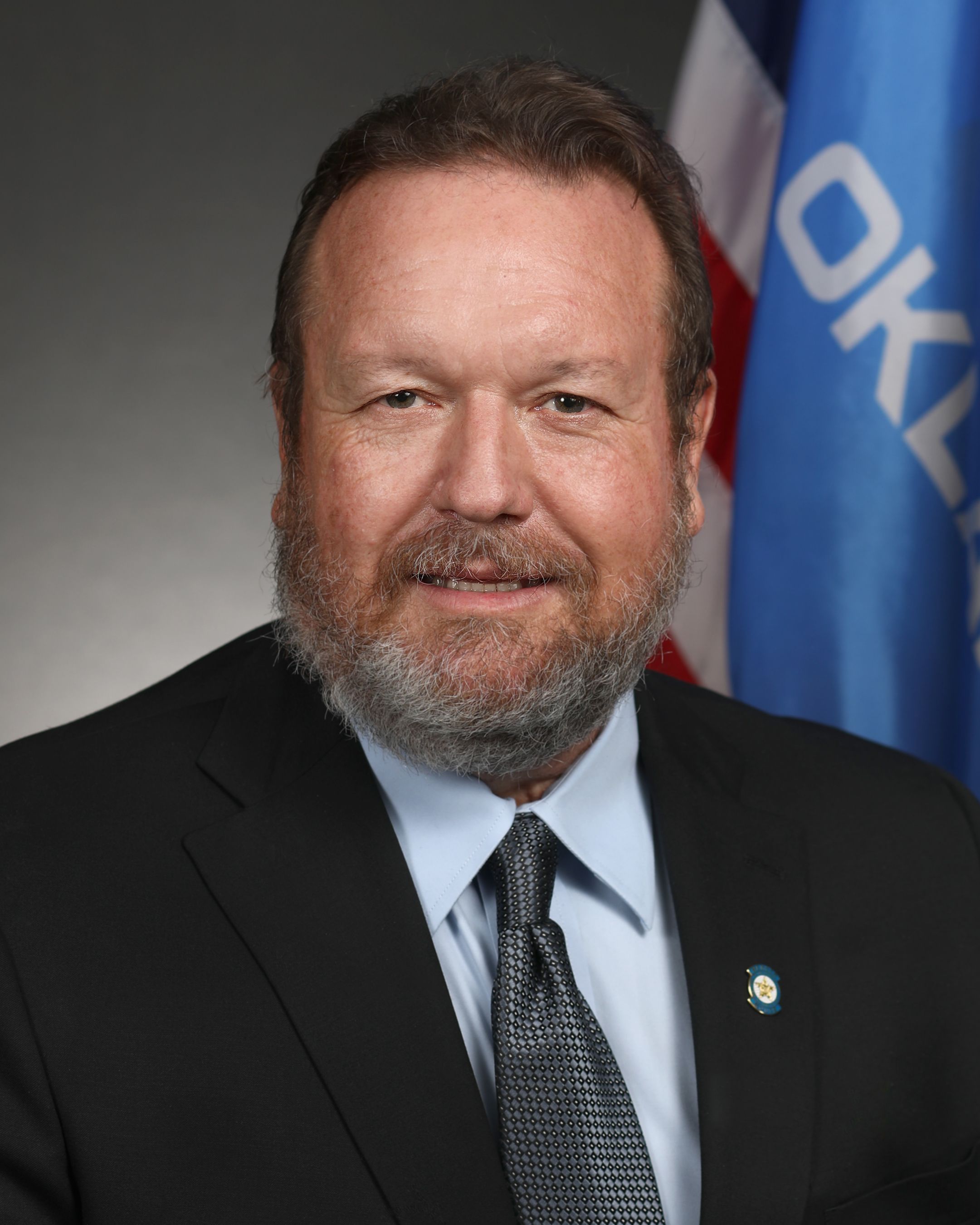
HJR 1037 proposes a constitutional amendment allowing Oklahoma's Legislature to freeze, suspend, or withhold up to 100% of state funds for any public institution within the Oklahoma State System of Higher Education. It would require a joint resolution approved by majority votes in both the Senate and House, with gubernatorial approval, to implement such funding changes for up to two years. The bill specifies that this action would only affect state-appropriated funds - not federal money, private donations, tuition, or other nonstate revenue - and would automatically end after two years unless extended by a new resolution. The amendment is currently pending voter approval after legislative passage.
SB 293 modifies Oklahoma's individual income tax rates for tax years beginning in 2024. It directly affects all Oklahoma residents and nonresidents who file individual income tax returns. The bill establishes new tax brackets with lower rates, reducing the top marginal rate to 4.75% for single filers and 4.75% for married couples filing jointly (down from previous rates like 5.50% or 6.75%). The change applies to all taxable income above specified thresholds, streamlining the tax computation for 2024 and subsequent years.
HB 1123 deletes Oklahoma's State Broadband Grant Program Revolving Fund, which previously provided dedicated funding for broadband expansion grants. The bill eliminates this special fund in the state treasury, redirecting how grant programs are financed. This change directly affects the Oklahoma Broadband Office and future grant recipients by removing a specific funding source for expanding high-speed internet access in unserved and underserved areas. The bill also modifies the Broadband Governing Board's structure but focuses primarily on ending the revolving fund mechanism. It becomes effective November 1, 2025.
SB 43 removes a limitation on deducting gambling losses for Oklahoma taxpayers who itemize deductions. It amends Section 2358 of Oklahoma's tax code to eliminate the previous cap on deducting wagering losses, directly affecting individual taxpayers with significant gambling losses who file itemized returns. The bill updates statutory language to allow full deduction of these losses without the prior restriction for certain tax years. This change aligns Oklahoma's tax treatment of wagering losses more closely with federal tax rules.
SB 73 amends Oklahoma's vehicle license fee distribution rules to cap the percentage of funds apportioned to school districts at the level established for the 2015 fiscal year (ending June 30, 2015). For fiscal years beginning July 1, 2019, and later, school districts will continue to receive 36.20% of vehicle registration fees, but the total amount cannot exceed what was distributed in 2015. Any excess funds above this cap will be directed to the Rebuilding Oklahoma Access and Driver Safety Fund instead of school districts. This bill directly affects school districts that receive vehicle registration fee distributions under Oklahoma law.
SB 581 allows Oklahoma state employees, private businesses, and residents to negotiate and receive payments in gold or silver bullion instead of cash, with compensation valued at current global market rates. It requires payments in gold/silver to be deposited into the newly created Oklahoma Bullion Depository or partner banks, and mandates the State Treasurer to establish this depository with fee structures (capping fees at 2% for residents). The bill also exempts gains from selling gold or silver from state income tax, aligning with tax law amendments. This directly affects state workers choosing payment methods, businesses offering gold/silver transactions, and individuals selling precious metals.
SB 50 exempts the purchase of gun safes and gun safety devices from Oklahoma's sales tax. This change directly affects consumers who buy these items for personal use, as they will no longer pay state sales tax on these purchases. The bill amends Oklahoma's sales tax code (Section 1357) to add gun safes and safety devices to the list of tax-exempt items, aligning with existing exemptions for other safety equipment. The law took effect on May 29, 2025, after becoming law without the governor's signature.
SB 572 ends Oklahoma's technology business financing program, which previously provided funding to help local businesses commercialize innovations. The bill requires all remaining program funds and annual royalty payments (from businesses that received funding) to be transferred to the state's General Revenue Fund by November 1, 2025. This affects OCAST (the Oklahoma Center for the Advancement of Science and Technology), businesses that had received program funding, and state finances. The program officially ceases upon the bill's effective date, redirecting all unused funds to general state revenue.
HJR 1004 proposes a constitutional amendment to limit property tax increases for Oklahoma homesteads. It would freeze the tax assessment value of a primary residence for homeowners who have owned and occupied the property for at least 10 years and whose gross household income stays below HUD's low-income threshold for their county. The cap remains in effect as long as these conditions are met, but any property improvements would be added to the assessed value while still respecting the frozen baseline. If homeowners move out or exceed the income limit, the property reverts to standard tax assessment rules. This measure requires voter approval via ballot referendum.
HB 1236 amends Oklahoma's tax code to clarify and expand exemptions for motor vehicle sales. It specifically adds electric vehicles (low-speed or medium-speed) to the list of vehicles exempt from sales tax when the Oklahoma Motor Vehicle Excise Tax has been paid. The bill also clarifies that trade-in value is excluded when calculating gross receipts for motor vehicle sales tax purposes. This directly affects motor vehicle buyers, dealers, and tax collectors by standardizing when sales tax applies. The changes ensure electric vehicles receive the same tax treatment as conventional vehicles for sales tax exemption purposes.