Issue · Budget & Taxes

Budget & Taxes

Every budget & taxes bill, vote, and legislator stance in Oklahoma, automatically classified by Maddy, our AI policy reader.

Total bills
659
2026 Regular Session
Top supporter
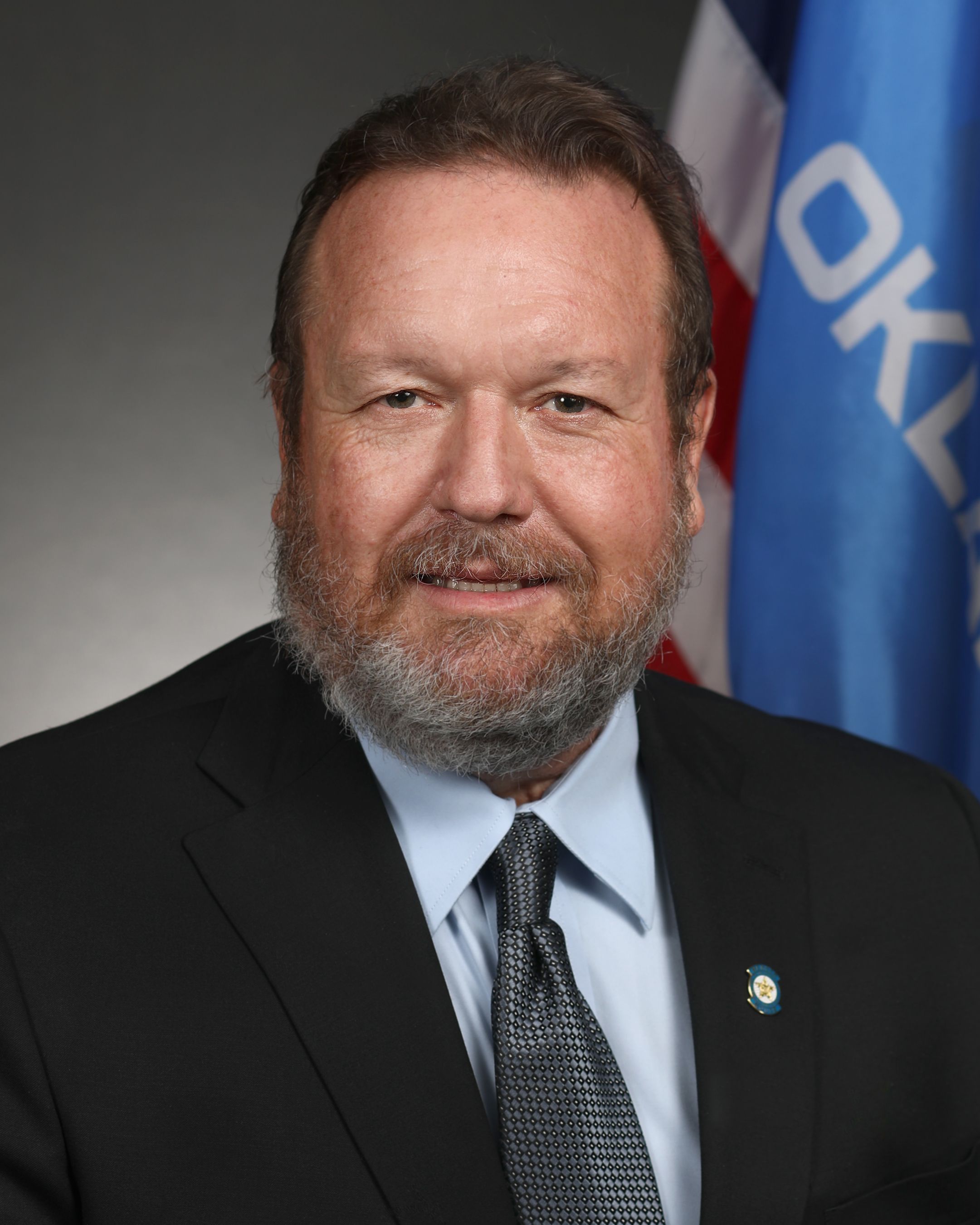
Chris Kannady
88% support rate
Top opponent
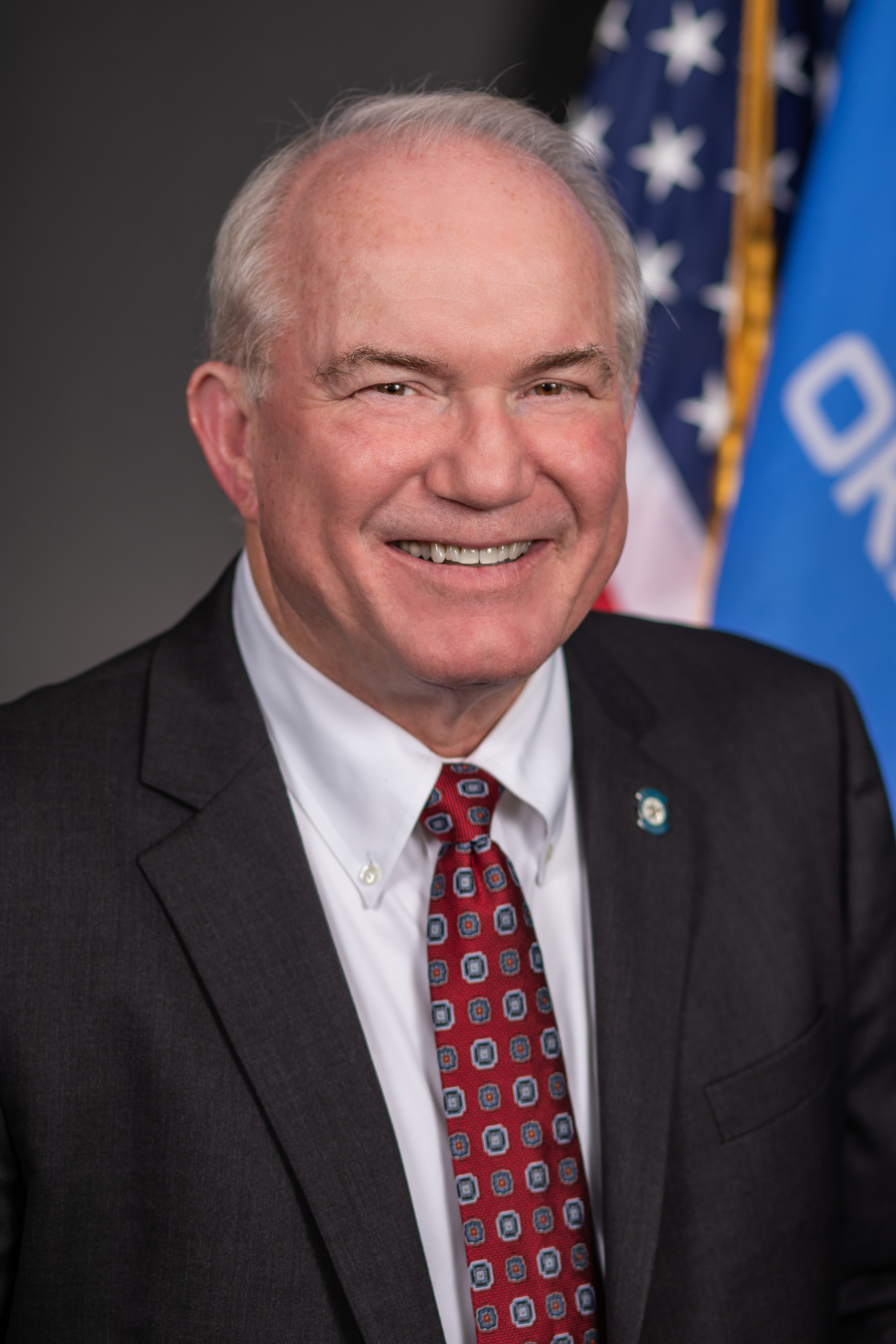
Tom Gann
20% support rate
Ranked legislators
10
5 support · 5 oppose
Key legislators

Who's moving budget & taxes in Oklahoma

Legislators moving budget & taxes in Oklahoma
Legislator Party Stance Support rate Decisive votes
Chris Kannady
Chris Kannady House · District 91
R
Strong +
88% 77
Eddy Dempsey
Eddy Dempsey House · District 1
R
Strong +
88% 123
John Haste
John Haste Senate · District 36
R
Strong +
87% 166
Aaron Reinhardt
Aaron Reinhardt Senate · District 37
R
Strong +
87% 171
Mike Kelley
Mike Kelley House · District 60
R
Strong +
87% 153
Tom Gann
Tom Gann House · District 8
R
Strong −
20% 153
Molly Jenkins
Molly Jenkins House · District 33
R
Oppose
23% 148
Rick West
Rick West House · District 3
R
Oppose
24% 148
Jim Shaw
Jim Shaw House · District 32
R
Oppose
26% 163
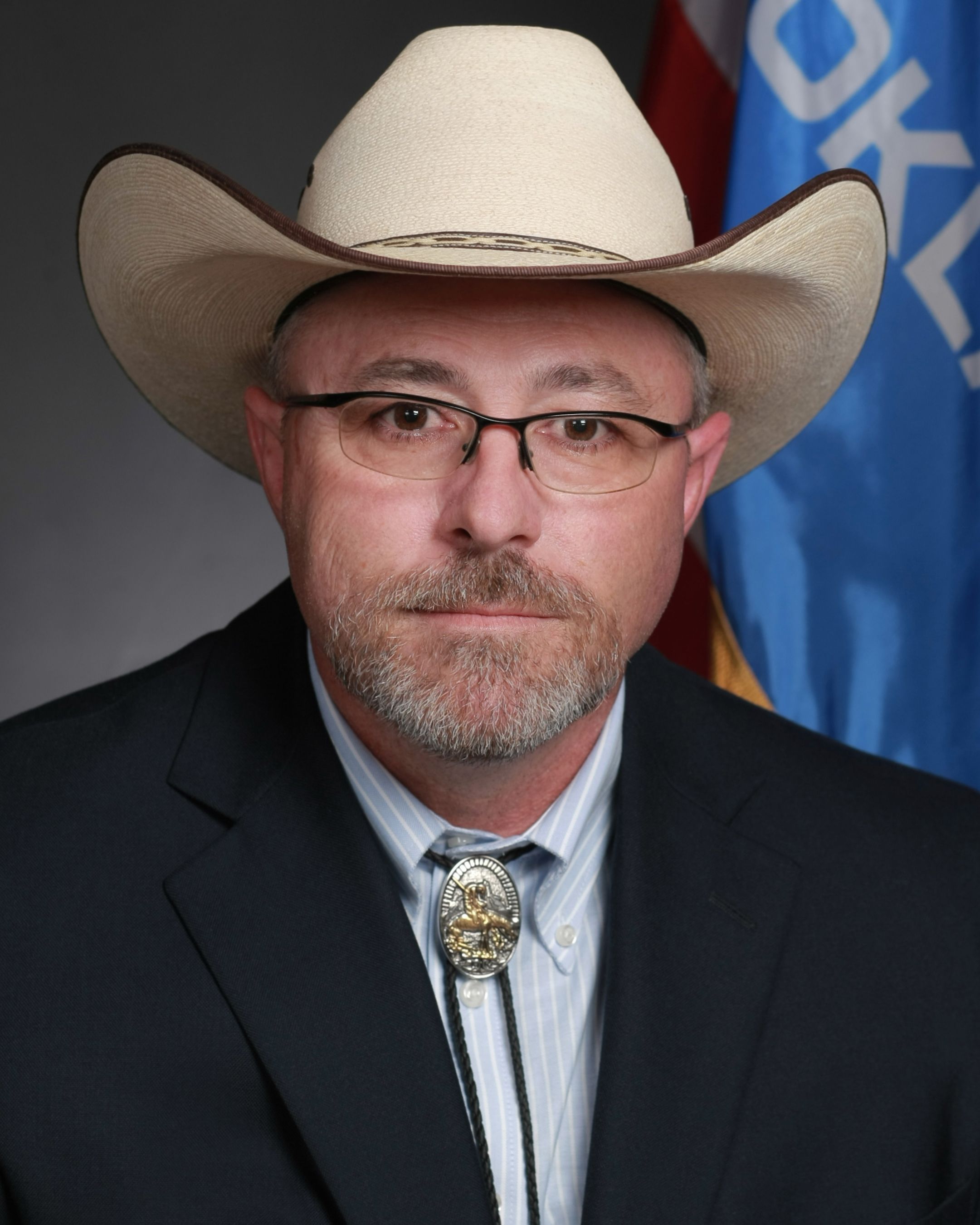
Justin Humphrey
Justin Humphrey House · District 19
R
Oppose
28% 104
Showing 241–250 of 659 bills

All budget & taxes bills

in committee · Oklahoma · House Feb 3, 2026

HB 3385: Revenue and taxation; Rural Jobs Tax Credit; applications; effective date.

HB 3385 extends the deadline for new applications for Oklahoma's Rural Jobs Tax Credit from December 1, 2025, to December 1, 2026. It directly affects businesses seeking this credit to offset taxes for hiring workers in rural areas. The bill amends the existing law to delay the cutoff for new applications by one year, without changing the credit amount or eligibility rules. The change takes effect on November 1, 2026.
Sub-Topics Tax Credits
passed · Oklahoma · House Apr 7, 2026

HB 3463: Cities and towns; annual audit; agreed-upon-procedures; State Auditor and Inspector; Oklahoma Tax Commission; revolving fund; effective date; emergency.

HB 3463 requires Oklahoma cities and towns with $50,000+ annual revenue (excluding federal grants and certain utility trust income) to conduct annual financial audits or a simplified biennial review. Smaller municipalities (under 2,500 residents) may opt for the biennial review instead of full audits. If they miss filing deadlines, the state withholds their monthly gasoline tax payments until compliance, with unfiled funds transferred to a special audit fund after two years. The bill applies directly to local governments managing significant public funds.
in committee · Oklahoma · House Feb 3, 2026

HJR 1063: Oklahoma Constitution; ad valorem taxation; homestead; exemption; age requirements; ownership provisions; ballot title; filing.

HJR 1063 proposes a constitutional amendment that would exempt homestead properties from all property taxes for owners aged 45 or older as of January 1 each year, starting January 1, 2027. It applies to any homestead with multiple owners if at least one owner meets the age requirement, but excludes properties with recorded mortgages (including purchase-price mortgages) or other liens. The exemption would cover all property taxes, not just specific categories. This amendment requires voter approval through a referendum and does not take effect until after the 2027 tax year. It directly affects Oklahoma homeowners aged 45+ who own their primary residence without qualifying mortgages or liens.
Sub-Topics Property Tax
passed · Oklahoma · House Apr 1, 2026

HB 3976: Hospitals; Rural and Small Hospital Grant Program; Rural and Small Hospital Grant Revolving Fund; codification; effective date.

HB 3976 establishes a grant program under Oklahoma's State Department of Health to help rural and small hospitals open new facilities or keep existing ones open by funding infrastructure, equipment, or technology needs. Hospitals applying must contribute at least 20% of project costs through cash or in-kind donations. The program will be funded through a new revolving fund in the state treasury, which replenishes itself and can be used continuously without annual budget limits.
Sub-Topics Hospitals
in committee · Oklahoma · House Mar 5, 2026

HB 3698: Unstable housing; Student Eviction Assistance Revolving Fund; Oklahoma State Department of Education; indigent defense; forcible entry and detainer; requirements; report; audit; effective date.

HB 3698 creates the Student Eviction Assistance Revolving Fund within Oklahoma's State Department of Education to address housing instability affecting students. The fund provides legal representation for low-income families (indigent tenants) with children enrolled in pre-K through 12th grade facing eviction (forcible entry/detainer cases), with referrals required through their school district. Funding comes from state appropriations, federal grants, and donations, and is allocated across all 77 counties based on poverty rates and chronic absenteeism data. The bill mandates annual audits of legal service organizations, requires detailed expenditure reports to state leaders, and takes effect November 1, 2026.
died · Oklahoma · House Feb 4, 2026

HB 3916: Revenue and taxation; sales tax; income tax; ad valorem tax; exemptions; nonprofit hospitals; effective date.

HB 3916 modifies Oklahoma's tax exemption rules for nonprofit hospitals. It specifically removes sales tax exemptions from nonprofit hospitals that charge Medicare patients commercial insurance fees exceeding what Medicare covers. The bill amends tax code sections to prohibit such hospitals from claiming exemptions if they impose these extra charges. This directly affects nonprofit hospitals that overbill Medicare patients on commercial insurance policies. The change aims to align hospital tax treatment with Medicare billing practices.
in committee · Oklahoma · House Feb 3, 2026

HB 3806: Revenue and taxation; Oklahoma Revenue and Taxation Act of 2026; effective date.

HB 3806 creates a tax credit for Oklahoma businesses that accept credit or debit card payments. It allows eligible businesses to claim a credit equal to 100% of their credit card processing fees that exceed 2% of total transaction volume. The credit reduces state income tax liability but cannot lower it below zero, and unused portions may be carried forward for up to five years. This applies to taxable years beginning January 1, 2027, and affects businesses like retailers, restaurants, and service providers processing card payments. The credit is allocated to business owners (e.g., partners, shareholders) if the business is treated as a partnership for federal tax purposes.
died · Oklahoma · House Feb 4, 2026

HB 3348: Revenue and taxation; Oklahoma Film Enhancement Rebate Program; faith-based films; effective date.

HB 3348 modifies Oklahoma's Film Enhancement Rebate Program to allow faith-based films with total production costs of $2 million or less to qualify for rebates without meeting the standard $50,000 minimum budget requirement. This change specifically applies to productions defined as "faith-based" by the Oklahoma Film and Music Office, waiving the usual minimum spending threshold while keeping other eligibility rules intact. The bill does not alter the standard rebate rates (up to 35% of eligible costs) or the $20,000 music spending bonus for Oklahoma-based music. It would become effective November 1, 2026, if enacted.
in committee · Oklahoma · House Feb 3, 2026

HB 3713: Schools; school district budgets; instructional expenditures; extracurricular activities; noncompliance; definition; effective date; emergency.

HB 3713 requires Oklahoma school districts to spend at least 50% of their annual budget on instructional expenditures starting in the 2026-2027 school year. It defines instructional expenditures using federal standards (from the National Center for Education Statistics) and excludes administrative costs, equipment, or materials for staff. If a district fails to meet this 50% threshold, it cannot offer extracurricular activities during the school day for the entire noncompliant school year. The bill excludes bond sales, fundraisers, and non-profit grants from the budget calculation and takes effect July 1, 2026. This directly affects all Oklahoma public school districts and their budget allocation decisions.
in committee · Oklahoma · Senate Feb 16, 2026

SB 1839: Ad Valorem Tax; expanding classification of property. Effective date.

SB 1839 creates a new "de minimis" classification for personal property valued at $5,000 or less, exempting it from annual listing and assessment under Oklahoma's ad valorem tax system. This directly affects homeowners and property owners with low-value personal items (like furniture or small tools) who previously had to report such property annually. The bill amends Sections 2803 and 2817 of Oklahoma's tax code to formally establish this exemption and update related language. It simplifies the tax process for these items without changing tax rates or obligations for higher-value property.
Sub-Topics Property Tax
Showing 241 to 250 of 659 bills
Previous 1 24 25 26 66 Next