Issue · Budget & Taxes

Budget & Taxes (Income Tax)

Every budget & taxes bill, vote, and legislator stance in Oklahoma, automatically classified by Maddy, our AI policy reader.

Total bills
18
2026 Regular Session
Top supporter
Preston Stinson
100% support rate
Top opponent
Jim Shaw
35% support rate
Ranked legislators
10
5 support · 5 oppose
Key legislators

Who's moving income tax in Oklahoma

Legislators moving income tax in Oklahoma
Legislator Party Stance Support rate Decisive votes
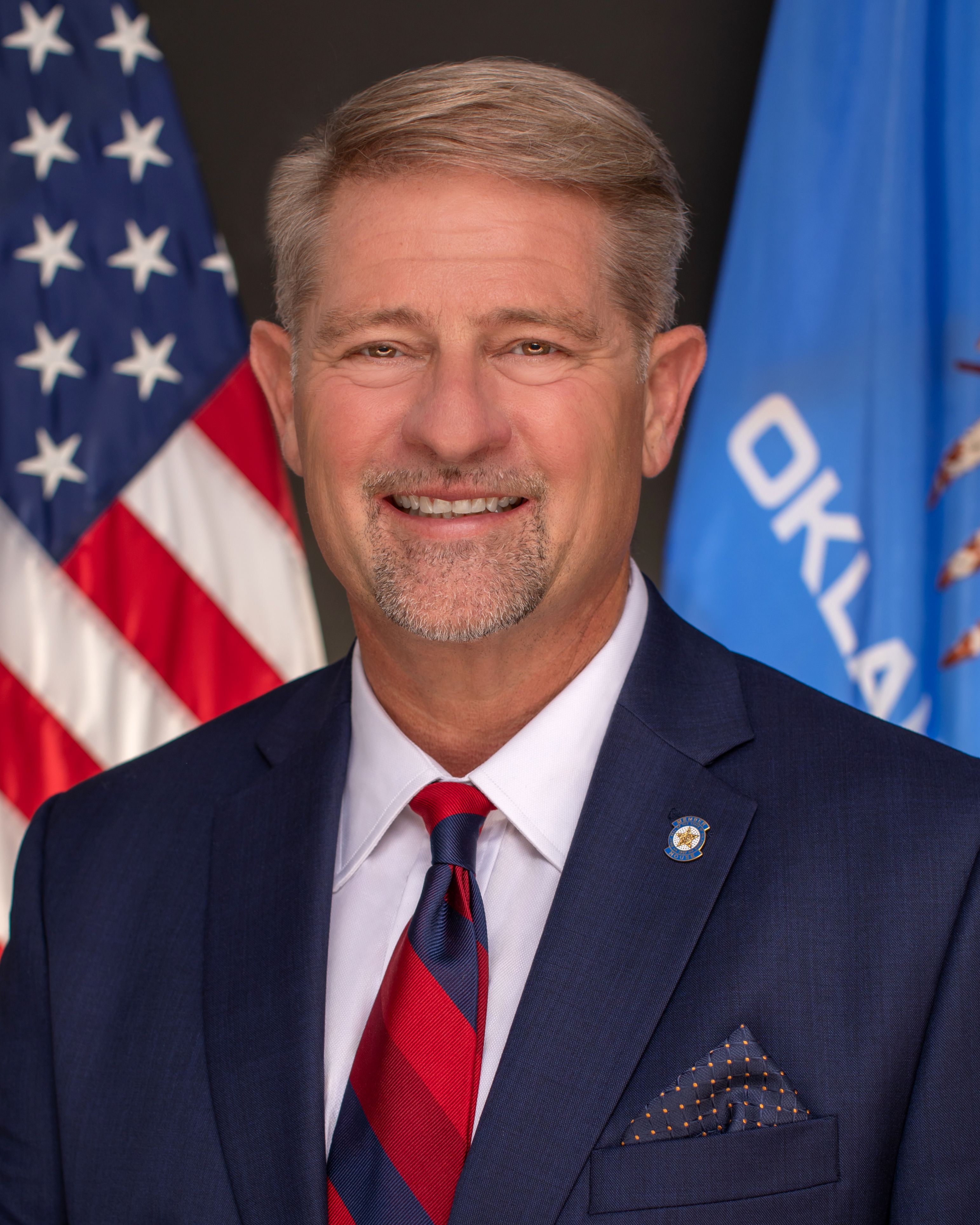
Preston Stinson
Preston Stinson House · District 96
R
Strong +
100% 20
DT
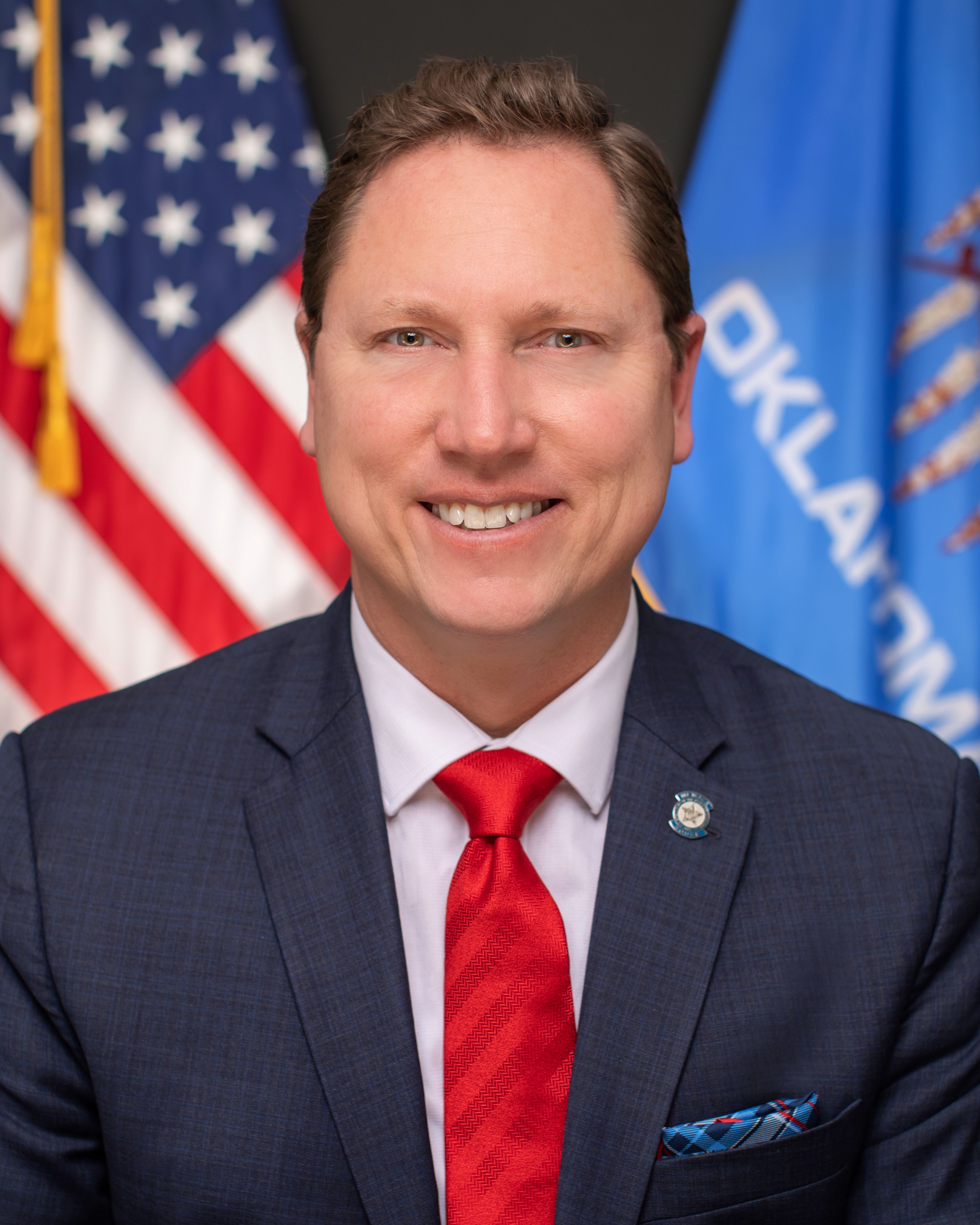
Dillon Travis House · District 35
R
Strong +
100% 4
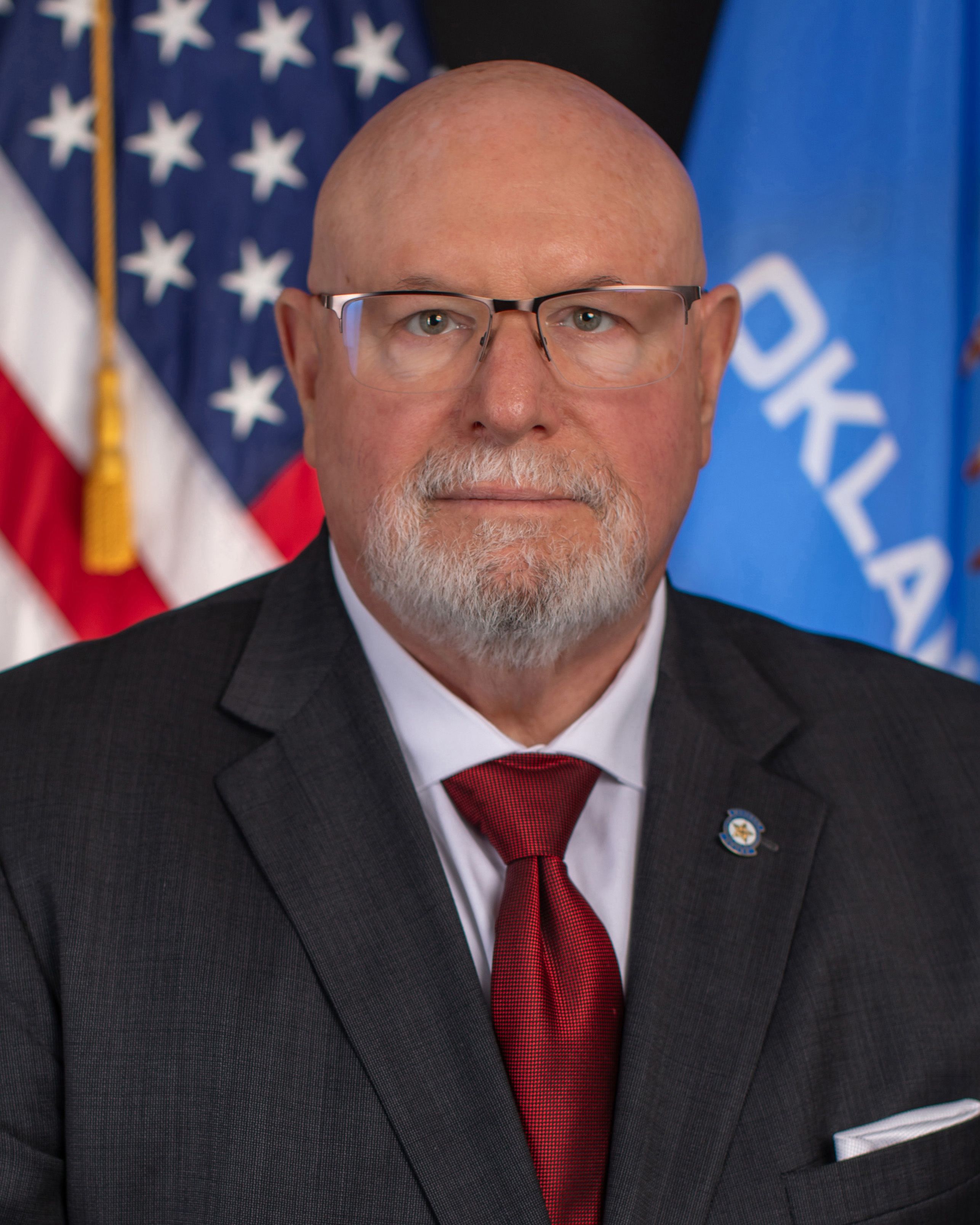
Kevin Norwood
Kevin Norwood House · District 74
R
Strong +
100% 4
Robert Manger
Robert Manger House · District 101
R
Strong +
97% 29
Brian Hill
Brian Hill House · District 47
R
Strong +
96% 26
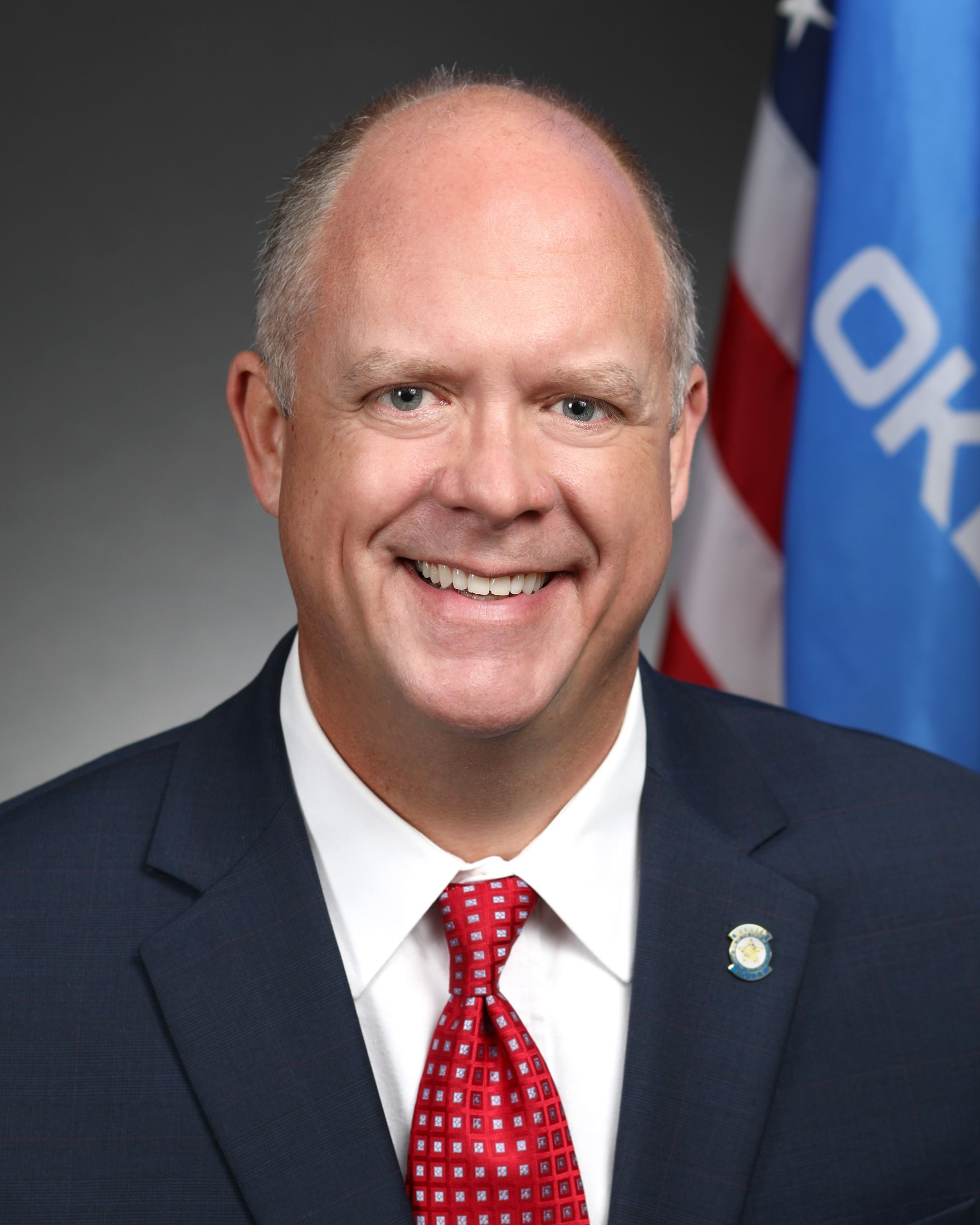
Jim Shaw
Jim Shaw House · District 32
R
Oppose
35% 23
Jim Olsen
Jim Olsen House · District 2
R
Oppose
35% 20
Mary Boren
Mary Boren Senate · District 16
D
Oppose
35% 20
Rick West
Rick West House · District 3
R
Oppose
35% 20
Tom Gann
Tom Gann House · District 8
R
Oppose
36% 22
Showing 11–18 of 18 bills

All budget & taxes bills

in committee · Oklahoma · Senate Feb 6, 2025

SB 295: Income tax; modifying certain income tax rate for certain tax years. Effective date.

SB 295 lowers Oklahoma's top individual income tax rate for tax years beginning in 2024. It reduces the top rate from 5.50% to 4.75% for both single filers and married couples filing jointly (including heads of households). This change applies to all Oklahoma residents and nonresidents who file state income tax returns for the 2024 tax year. The bill modifies existing tax brackets but does not alter the income thresholds where the top rate applies.
died · Oklahoma · Senate Mar 3, 2025

SB 239: Income tax; limiting credit allowance for zero-emission facilities to certain tax years; limiting carry forward of credit. Effective date.

SB 239 modifies Oklahoma's tax credit for electricity generated by zero-emission facilities (like wind, solar, hydro, or geothermal power plants). It limits the credit to tax years ending by 2025, ending the ability to carry forward unused credits beyond that year. For credits claimed after July 2019, taxpayers must choose between receiving an 85% direct refund or carrying the credit forward for up to 10 years (ending in 2025). This bill directly affects businesses and entities generating eligible renewable electricity in Oklahoma, altering how they can use or access these tax credits.
in committee · Oklahoma · House Feb 19, 2026

HB 2942: Revenue and taxation; Health Care Sharing Ministry Tax Parity Act; definitions; income tax deduction; effective date.

HB 2942, the "Health Care Sharing Ministry Tax Parity Act," allows Oklahoma residents who are active members of Health Care Sharing Ministries (HCSMs) to deduct their qualified health care sharing expenses from their state income tax starting in 2027. It directly affects Oklahoma residents using HCSMs - non-profit organizations that share medical costs based on shared ethical or religious beliefs - by granting them tax treatment similar to health insurance premiums. Key provisions include permitting deductions for self-employed individuals and employer contributions (treated as nontaxable benefits), requiring documentation to claim the deduction, and ensuring funds received from HCSMs are not considered taxable income. The bill takes effect November 1, 2026, with the Oklahoma Tax Commission overseeing implementation and reporting.
Sub-Topics Income Tax Insurance
signed · Oklahoma · Senate May 12, 2025

SB 301: Income tax; modifying credit limit for certain institute in certain tax years. Effective date.

SB 301 modifies Oklahoma's tax credit system for donations to biomedical and cancer research institutes. It reduces annual credit limits to $1.5 million for biomedical research donations and $500,000 for cancer research donations starting in 2026, down from $2 million previously. Donors to qualifying institutes (which must receive $20 million annually in NIH funding for biomedical or $4 million for cancer research) will face new caps: $25,000 for business donors to biomedical institutes, and $1,000-$2,000 for individual filers depending on filing status. The bill adjusts how credit percentages are calculated using the second preceding year's claims and ensures credits cannot exceed tax liability.
Sub-Topics Income Tax Tax Credits
in committee · Oklahoma · House Feb 4, 2025

HB 1602: Revenue and taxation; income tax credits; qualified employees; qualified employers effective date.

HB 1602 creates tax credits for Oklahoma vehicle manufacturing companies that hire engineers with ABET-accredited degrees. Employers can claim a 50% credit on tuition reimbursement (capped at $5,000 annually) and 5-10% on salaries (capped at $12,500 annually) for the first 4-5 years of employment. Total credits are limited to $3 million annually for employer credits and $2 million for employee credits. The program expires after 2031.
passed · Oklahoma · House Apr 28, 2025

HB 2087: Revenue and taxation; income tax credit; research institutes; effective date.

HB 2087 modifies Oklahoma's income tax credit for donations to qualified research institutes. It adjusts annual funding caps: for biomedical research institutes, the limit drops from $2 million to $1.5 million per year starting in 2026, while cancer research institute credits are capped at $500,000 annually. The credit percentage for each donation type is recalculated yearly based on prior-year claims, using specific formulas to stay within these new limits. Taxpayers donating to qualifying nonprofit biomedical or cancer research institutes (defined by NIH funding requirements) can claim the credit, with individual limits of $1,000-$25,000 depending on filing status or business type.
Sub-Topics Income Tax Tax Credits
in committee · Oklahoma · House Feb 4, 2025

HB 1209: Revenue and taxation; income tax; rate; effective date.

HB 1209 modifies Oklahoma's individual income tax rates, lowering the top marginal rate for most filers starting in 2024. It reduces the highest tax bracket from 5.50% to 4.75% for single filers and from 5.50% to 4.75% for married couples filing jointly, effective for tax years beginning in 2024. The bill also eliminates the deduction for federal income taxes paid when calculating taxable income. These changes apply to all Oklahoma residents and nonresidents filing individual income tax returns. The bill specifies a further adjustment for tax years beginning in 2026, though the exact rates are not detailed in the provided text.
in committee · Oklahoma · Senate Feb 4, 2025

SB 323: Income tax; modifying rate for certain corporations for certain tax years. Effective date.

SB 323 amends Oklahoma's individual income tax code to establish new tax rates for tax years beginning January 1, 2024. It directly affects Oklahoma residents and nonresidents filing individual income tax returns. The bill creates a tiered rate structure: for single filers and married filing separately, it sets rates from 0.25% on the first $1,000 up to 4.75% on income above $6,200. This replaces prior rates (which had a top rate of 5.50% for 2008-2008), reducing the highest marginal tax rate for most filers.
Showing 11 to 18 of 18 bills