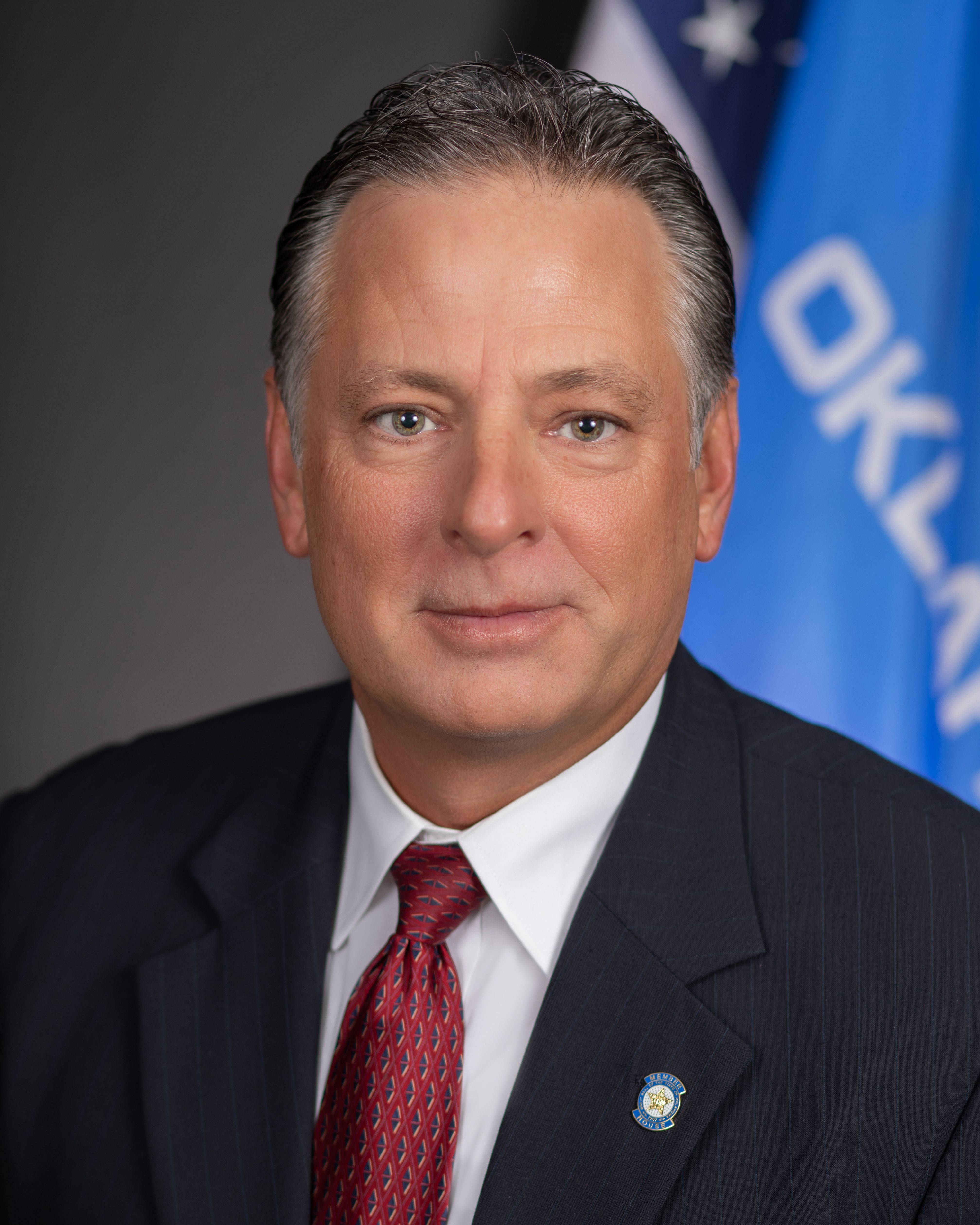
HB 3704 directs Oklahoma to participate in a federal income tax credit program allowing individuals to claim a credit for donations to scholarship granting organizations (SGOs). The bill requires the Governor to certify Oklahoma's participation to the U.S. Treasury and designates the Oklahoma Tax Commission to register SGOs, maintain their lists, and handle federal reporting. This enables Oklahoma taxpayers to claim the federal credit for qualifying donations, while coordinating with Oklahoma's existing state tax credit for SGO contributions. The law takes effect July 1, 2026, and remains in place until changed by law or federal policy.
HB 3595 creates a permanent "Safer Counties Revolving Fund" within Oklahoma's State Treasury, managed by the Department of Public Safety. This fund, financed by existing legislative appropriations to the Department, provides grants to all Oklahoma counties to purchase public safety and traffic barrier equipment. Counties must use these funds solely for public safety purposes and cannot divert them to other uses. The fund operates without annual budget restrictions, allowing ongoing disbursements for safety equipment purchases.
HB 3708 modifies Oklahoma's tax credit system to expand education-related incentives. It creates three tax credit options: 50% of contributions (up to $1,000 for individuals, $2,000 for joint filers, or $100,000 for businesses) to scholarship-granting organizations, educational improvement grant organizations, or public school foundations/districts. A 75% credit is available for donors who commit to contributing the same amount for two consecutive years. Organizations receiving funds must annually submit audited financial reports to the Oklahoma Tax Commission and publicly share program outcomes. The bill directly affects individual taxpayers, businesses, and eligible education-focused nonprofits.
This bill proposes a constitutional amendment to create a five-year property tax exemption for new or expanded manufacturing facilities in Oklahoma, aiming to encourage businesses to locate or grow within the state. The exemption applies to qualifying manufacturing concerns that are new to the state or relocating, and it specifically covers expansions of existing facilities. To prevent financial harm to other local governments, the bill requires the Legislature to establish reimbursement systems for schools, counties, cities, and other entities that lose revenue due to the tax exemption, and it ensures these reimbursement amounts count toward debt limits for local governments. After the five-year exemption period ends, counties may retain up to 25% of the new property taxes generated from previously exempted facilities to fund additional economic development and job creation.
This bill proposes a constitutional amendment (HJR 1081) that would eliminate the income requirement for Oklahoma seniors to qualify for a property tax limit on their homesteads. Currently, seniors aged 65+ must meet an income threshold based on HUD median income for their area; this amendment removes that requirement while keeping the age, 7-year occupancy, and $700,000 property value cap. It would apply only to homesteads valued at $700,000 or less, with the tax limit frozen at the value when the owner turned 65 (or January 1, 1997, for those already eligible before 1997). The change requires voter approval via a ballot measure.
HB 4337 amends Oklahoma's Quality Events Act to clarify definitions and requirements for economic development incentives tied to major events. It defines key terms like "quality event" (e.g., national championships, televised events) and "economic impact study," which must verify additional sales tax revenue generated by the event. The bill requires local governments to use these studies to confirm tax revenue increases before providing financial support to event promoters. This affects certified sponsors (event organizers) and local governments that fund or support qualifying events, ensuring incentives align with measurable economic benefits.
HB 2967 amends Oklahoma's motor vehicle excise tax rules, affecting vehicle owners during transfers of ownership or first registration. It sets a 4.5% tax on off-road all-terrain vehicles, motorcycles, and utility vehicles (with a $5 minimum), and establishes tiered rates for used vehicles based on value and registration year. The bill also creates a $10 tax for heavy trucks, trailers, and frac tanks used for highway cargo, while exempting pickup trucks and commercial vehicles from this tax in lieu of sales/use taxes. Additionally, it allows a credit for excise tax paid on new vehicles replaced due to theft or defects within specific timeframes.
HB 2021 creates the Oklahoma Kids After-School Grant Program (OKAGP) under the Department of Human Services to fund community-based organizations running after-school programs for K-12 students. Eligible organizations must operate at least five locations across Oklahoma (either directly or through partnerships) and qualify for exemptions from child care licensing under Title 10. The bill establishes a revolving fund in the State Treasury for these grants, funded by state appropriations and donations, with no annual budget restrictions. The program becomes effective November 1, 2025, and will provide grants to support after-school programming for children.
HB 4490 creates the Oklahoma Families Thriving Everywhere Now (OFTEN) program through the Oklahoma State Department of Health, using $3 million in state funds for the 2027 fiscal year. The program provides telecare support, community outreach, and care coordination for women with high-risk pregnancies and parents of children under three, aiming to promote healthy childbirth, stable family formation, and economic self-sufficiency. Services include referrals, case management, and parenting assistance delivered by Oklahoma-based community providers. The bill takes effect July 1, 2026, and includes an emergency declaration to accelerate implementation.
HB 3314 allows Oklahoma counties to impose a local tax of up to 15% on retail marijuana sales (not personal cultivation) after voter approval. Counties must hold a special election or use an initiative petition (requiring 5% of registered voters' signatures) to approve the tax, with results requiring a majority vote. Funds collected must be used exclusively for public safety (sheriffs, police, fire departments) and property improvements, and counties must specify the tax's purpose and duration to voters. The Oklahoma Tax Commission will handle tax collection for a 0.5% fee, and counties must provide 60 days' notice before rate changes. The bill takes effect November 1, 2026.