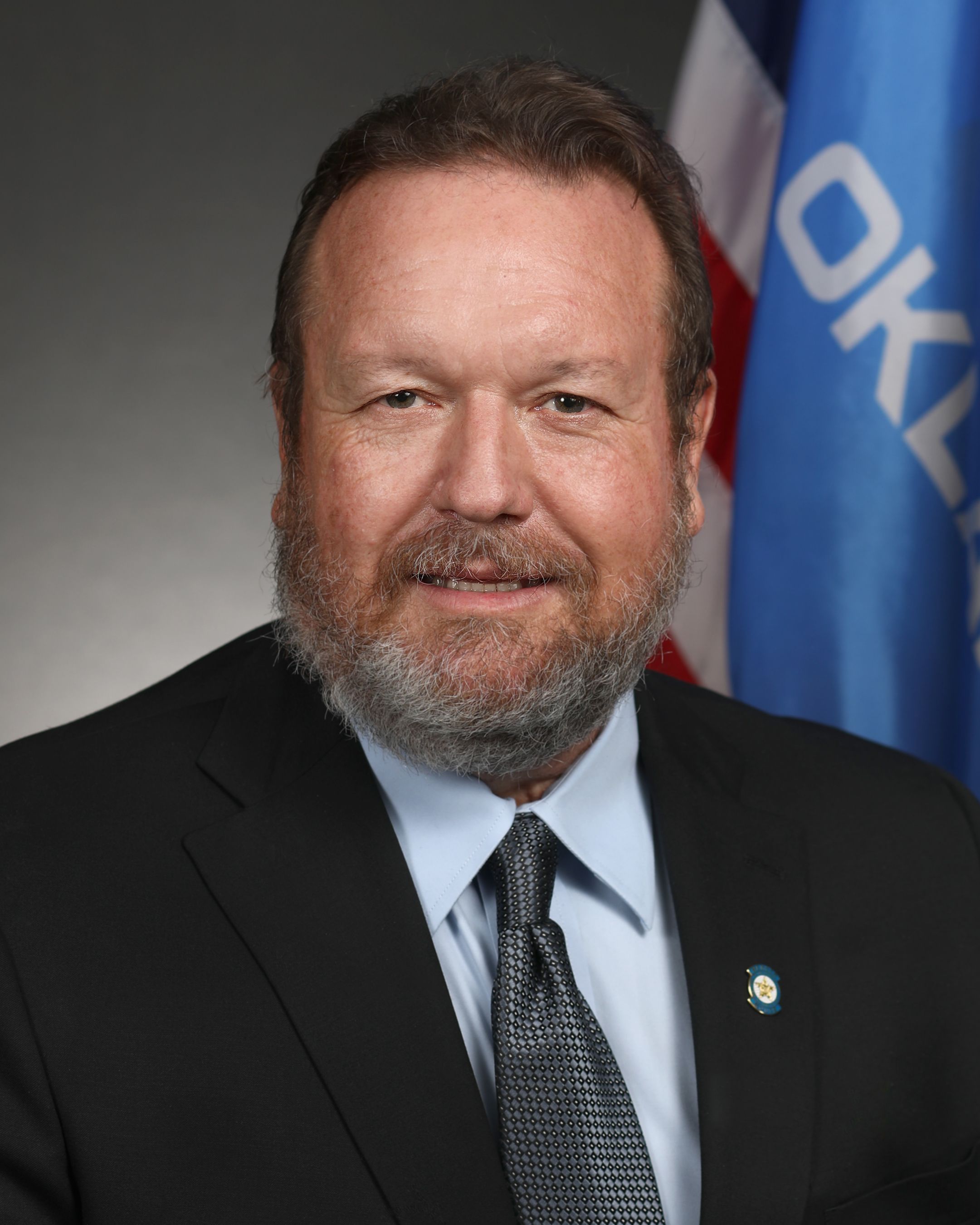
HB 4432 amends Oklahoma's tax code to eliminate a limitation on itemizing wagering income for tax purposes and updates statutory references throughout the Oklahoma Revenue and Taxation Act. It specifically adjusts how businesses calculate Oklahoma taxable income, particularly regarding federal net operating loss deductions and the allocation of income from property or business activities. The bill clarifies that Oklahoma net operating losses must be separately determined using federal rules but without requiring a federal loss, and it updates rules for allocating income from intangible property and certain business activities. This is a procedural update to the tax code, not a new tax or policy change, and it affects businesses and individuals filing Oklahoma income taxes. The bill was introduced in 2026 but has not advanced beyond committee referral.
SB 2084 caps settlement amounts for wrongful termination claims by employees of Oklahoma public institutions of higher education (like state universities) at two years of their base salary at termination. It limits total settlements to include back pay and damages but excludes accrued unpaid wages, leave, and retirement contributions already earned. The bill specifically applies to state law claims, not federal ones, and takes effect November 1, 2026. This directly affects public university employees filing termination disputes under Oklahoma law.
HB 2115 transfers administration of Oklahoma's Energy Conservation Assistance Fund from the Department of Commerce to the Department of Human Services. It provides grants of up to $3,000 for weatherization work (like insulation, storm windows, and structural repairs) to low-income elderly and handicapped homeowners who meet income guidelines (125% of federal poverty level). The bill requires an energy audit before grants are issued, prioritizes applicants with greatest need, and establishes a revolving fund for ongoing program funding. This directly affects qualifying homeowners seeking energy efficiency improvements to their primary residences.
HB 3590, the Oklahoma Opportunity Scholarship Act of 2026, expands tax credits for Oklahoma taxpayers who contribute to scholarship-granting organizations. It increases the maximum annual tax credit: to $5,000 for single filers (up from $1,000), $10,000 for married couples filing jointly (up from $2,000), and $250,000 for businesses (up from $100,000). Taxpayers who commit to contribute the same amount for two consecutive years qualify for a 100% credit (up from 75%) on those contributions. The bill affects Oklahoma taxpayers making eligible contributions and requires scholarship organizations to submit annual financial reports to the Oklahoma Tax Commission. It takes effect January 1, 2027.
SB 1826 removes the expiration date for Oklahoma's Enterprise Zone incentive program, making the tax credits and matching payments permanent. It directly affects businesses locating or expanding within designated enterprise zones and local governments approving projects in those areas. Key provisions include setting a $200,000 annual cap on state payments per business, establishing county-specific investment limits ($20-40 million), and requiring local governments to prove projects will generate at least $1 million in payroll or $5 million in investment. The bill also clarifies eligibility for tourism projects and restricts retail development (except for healthy food stores in low-access areas). This update maintains existing incentive structures while eliminating the program’s automatic termination.
Oklahoma's SJR 39 proposes a constitutional amendment to reduce limits on annual increases in property tax assessments. It would lower the maximum annual growth rate for most real property from 5% to 3% (for tax years 2027 onward) and further reduce limits for homestead properties (primary residences) and agricultural land from 3% to 1%. The amendment applies to locally assessed real property, excluding personal property and properties with recent transfers or improvements. If approved by voters, these changes would take effect for tax years beginning in 2027.
This Oklahoma House Concurrent Resolution expresses support for eliminating the United States Department of Education and urges the U.S. Congress to cooperate with that goal. The document argues that education is a state responsibility under the Tenth Amendment and claims that federal involvement has led to excessive regulations and poor student outcomes in Oklahoma. It highlights concerns about declining national reading scores and asserts that local control would better address educational needs. The resolution does not change any laws or policies within Oklahoma but serves as a formal statement of legislative sentiment regarding federal education policy.
SB 1530 requires the Oklahoma Department of Commerce to verify that businesses claiming research and development rebates actually conducted eligible research within Oklahoma. It affects companies seeking rebates equal to 5% of their qualified research expenses, with a $20 million annual cap on total payments. The bill mandates that businesses submit applications and documentation for verification before receiving rebates, and if funds are insufficient, payments are prorated or carried over to future years. This amendment updates existing rules for the Oklahoma Research and Development Rebate Fund, effective July 1, 2026.
Oklahoma Senate Bill 227 modifies tax exemptions for oil and gas producers by limiting eligibility for gross production tax refunds to specific years (2005-2013 and 2022-2024). It caps annual refunds at $12.5 million for 2015-2016 and $10 million for 2022-2024, requiring producers to qualify as "economically at-risk" leases based on production volume and profitability thresholds. Producers must submit documentation to the Oklahoma Tax Commission to claim refunds for prior-year production, with claims due by the bill’s effective date for 2024. The bill directly affects oil/gas operators seeking refunds on past production under these revised rules.
HB 3024 establishes a 10% annual cap on salary increases and bonuses for most state employees in executive branch agencies, requiring cabinet secretary approval for any increase exceeding this limit. It mandates that agencies set performance metrics for bonus eligibility and document salary adjustments above 10% due to role changes or performance reviews. The bill excludes executive directors, positions requiring advanced degrees or state licenses (like doctors and engineers), and employees of higher education systems or school districts from these limits. These provisions take effect July 1, 2026, with the Office of Management and Enterprise Services overseeing implementation.