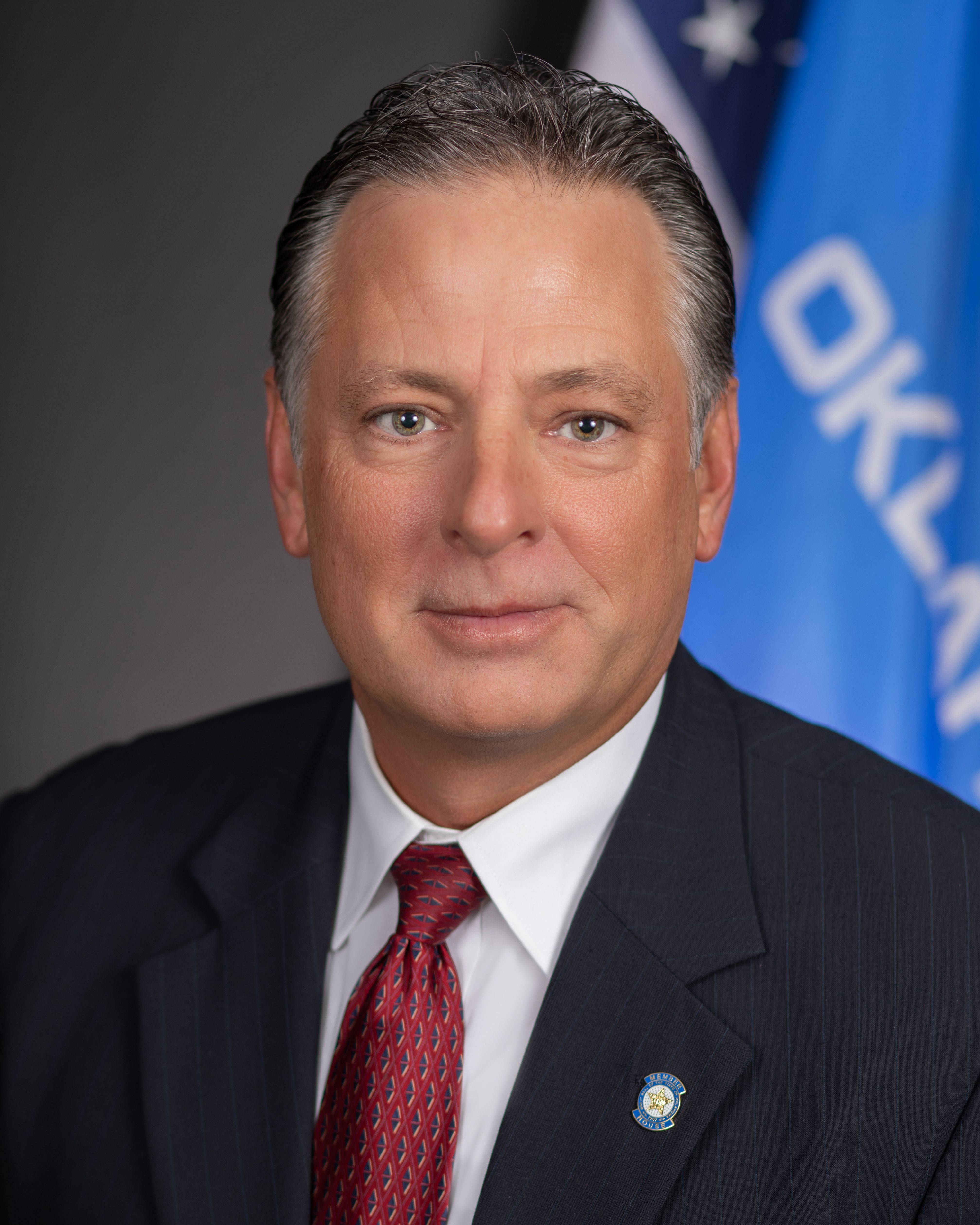
HB 1433 re-creates a revolving fund to support municipal audits conducted by Oklahoma's Special Investigative Unit. The bill specifies funding sources for this fund and sets an effective date of July 1, 2025, with an emergency clause allowing immediate implementation upon approval. It directly affects Oklahoma municipalities requiring audit services and the Special Investigative Unit's operational budget. The bill's core mechanism is establishing this dedicated funding stream to ensure consistent audit capacity for local governments. (Note: The provided context lacks detailed policy provisions beyond the title, effective date, and fund structure.)
HB 1203, the Strategic Bitcoin Reserve Act, would allow Oklahoma's State Treasurer to invest up to 10% of specific state funds (General Fund, Revenue Stabilization Fund, and Constitutional Reserve Fund) in Bitcoin or digital assets with a $500 billion+ market cap, plus approved stablecoins. The bill requires all digital assets to be held through secure custody solutions meeting strict security standards, including multi-party governance and encrypted storage in geographically diverse facilities. It also mandates that taxes paid in Bitcoin be converted to U.S. currency and transferred to the State General Fund, and permits state retirement funds to hold digital assets under similar secure custody rules. The act applies directly to state treasury operations, retirement funds, and tax collection processes. The bill was introduced in 2025 but failed in committee in April 2025.
HB 1539 lowers Oklahoma's individual income tax rates for the 2024 tax year. It reduces the top tax rate from 5.50% to 4.75% for most filers, with new brackets starting at 0.25% on the first $1,000 of income (e.g., 0.75% on the next $1,500 for single filers). The bill affects all Oklahoma residents and nonresidents who file individual income tax returns, applying to taxable income earned in 2024. The change eliminates the previous tiered top rate structure and requires no deduction for federal income taxes paid.
HB 1604 updates Oklahoma's vehicle excise tax rules, changing rates for off-road vehicles (4.5% of sale price with a $5 minimum) and adjusting used vehicle tax brackets. It adds a $10 flat fee for heavy trucks (55,000+ pounds), trailers, and frac tanks used for highway transport, while clarifying this tax replaces sales/use taxes for commercial vehicles. The bill also allows tax credits for stolen or defective new vehicles within 90 days (theft) or six months (defect). These changes affect all Oklahoma vehicle buyers, sellers, and commercial truck operators, particularly for off-road vehicles and heavy freight equipment.
HB 1221 creates "SAFE Accounts" in Oklahoma’s State Treasury to manage specific federal funds received by state agencies. It requires agencies to seek legislative approval (via concurrent resolution) before accessing funds from competitive grants, federal relief payments, or block grants, and mandates detailed reporting to the Legislature about grant applications and funding purposes. Existing federal programs already managed by agencies as of January 1, 2025, are excluded from these requirements unless they involve competitive grants needing reapplication after November 2025. The bill also establishes deadlines for submitting notices and holding hearings on new federal funding sources, effective July 1, 2025, for block grants and November 1, 2025, for competitive grants.
HB 1280 (2025) requires Oklahoma school districts to spend at least 50% of their annual budget on classroom instruction starting in 2025-2026. If a district falls below this threshold, it must increase instructional spending by 2% annually until reaching 50%, or face a written warning and, after four years of non-compliance, a permanent 2% annual teacher pay raise for each year missed. The bill defines "annual budget" to exclude bond sales, fundraisers, and non-educational grants, and "instructional expenditures" per federal standards. The bill failed to pass (36-57) on March 27, 2025, so it is not law.
HB 1104 allows Oklahoma counties with fewer than 200,000 residents to levy a 3% lodging tax on hotels and motels (excluding campsites) to fund county-owned tourism facilities. The tax requires voter approval via election or petition and must be deposited exclusively into a dedicated tourism fund, not general county revenue. Counties may not impose this tax within municipalities that already collect their own lodging tax. The bill specifies the tax must fund tourism promotion, advertising, or facility development, with proceeds restricted to these purposes only. It becomes effective November 1, 2025, pending voter approval.
HB 2033 creates a revolving fund called the "Community Health Center Access to Care Revolving Fund" within Oklahoma's State Department of Health. The fund, not limited by fiscal years, will use appropriated monies to increase access to care at federally authorized community health centers (as defined under 42 U.S.C. §330). The Department of Health can spend these funds to support such centers, with expenditures requiring State Treasurer warrants based on approved claims. The bill takes effect July 1, 2025, and was declared an emergency to allow immediate implementation.
HB 1621, the State Department of Education Spending Transparency Act, requires Oklahoma’s State Treasurer to create a public online portal displaying detailed annual spending data from the Oklahoma State Department of Education (the "Submitting Party"). The portal must include searchable records of all expenditures - showing amounts, dates, payees, employee roles for payroll, and U.S. Census-based spending categories - and allow data downloads and summaries. It mandates annual agreements between the State Treasurer and the education department to maintain the portal, which must be prominently linked on both the Treasurer’s and education department’s websites, effective November 1, 2025.