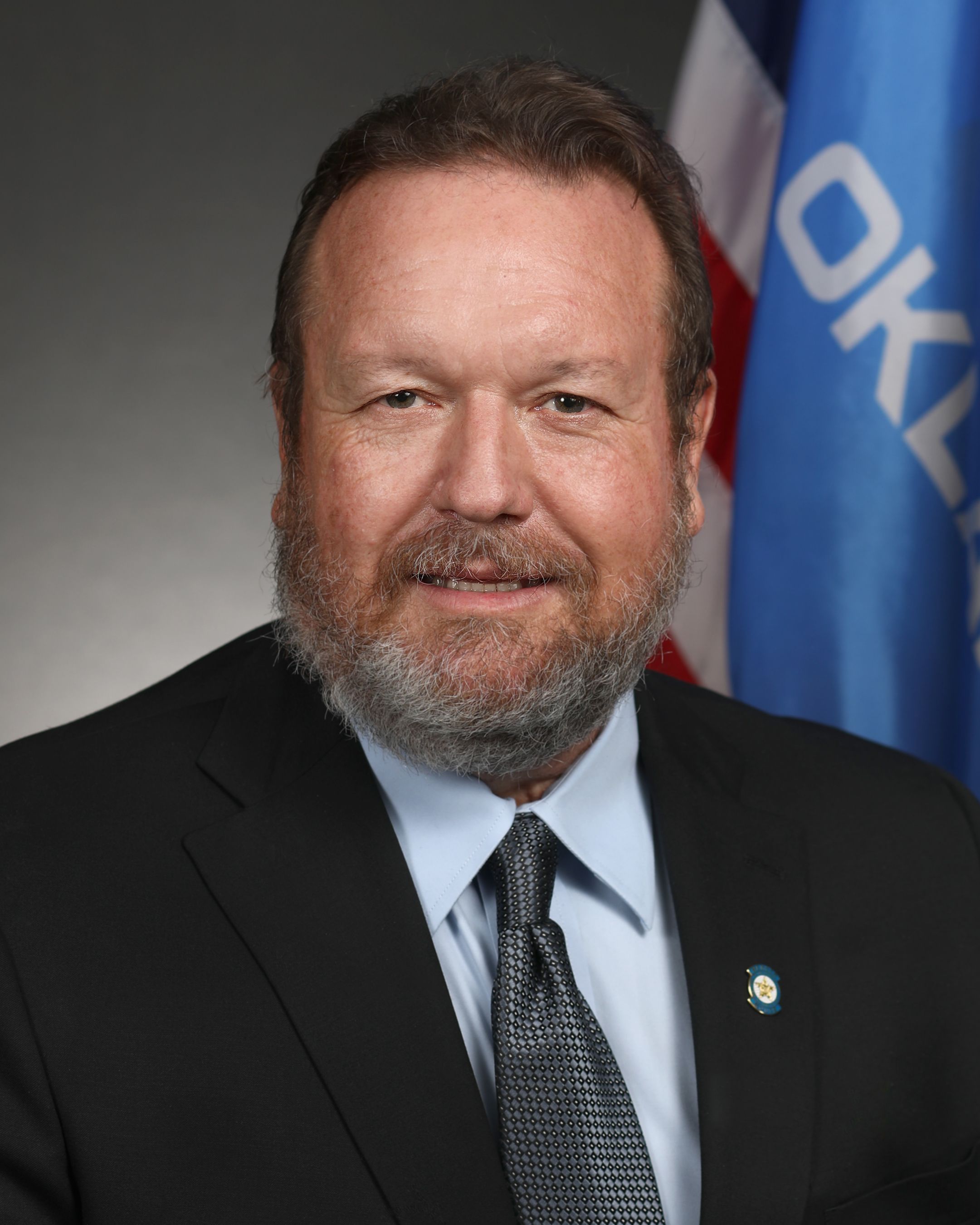
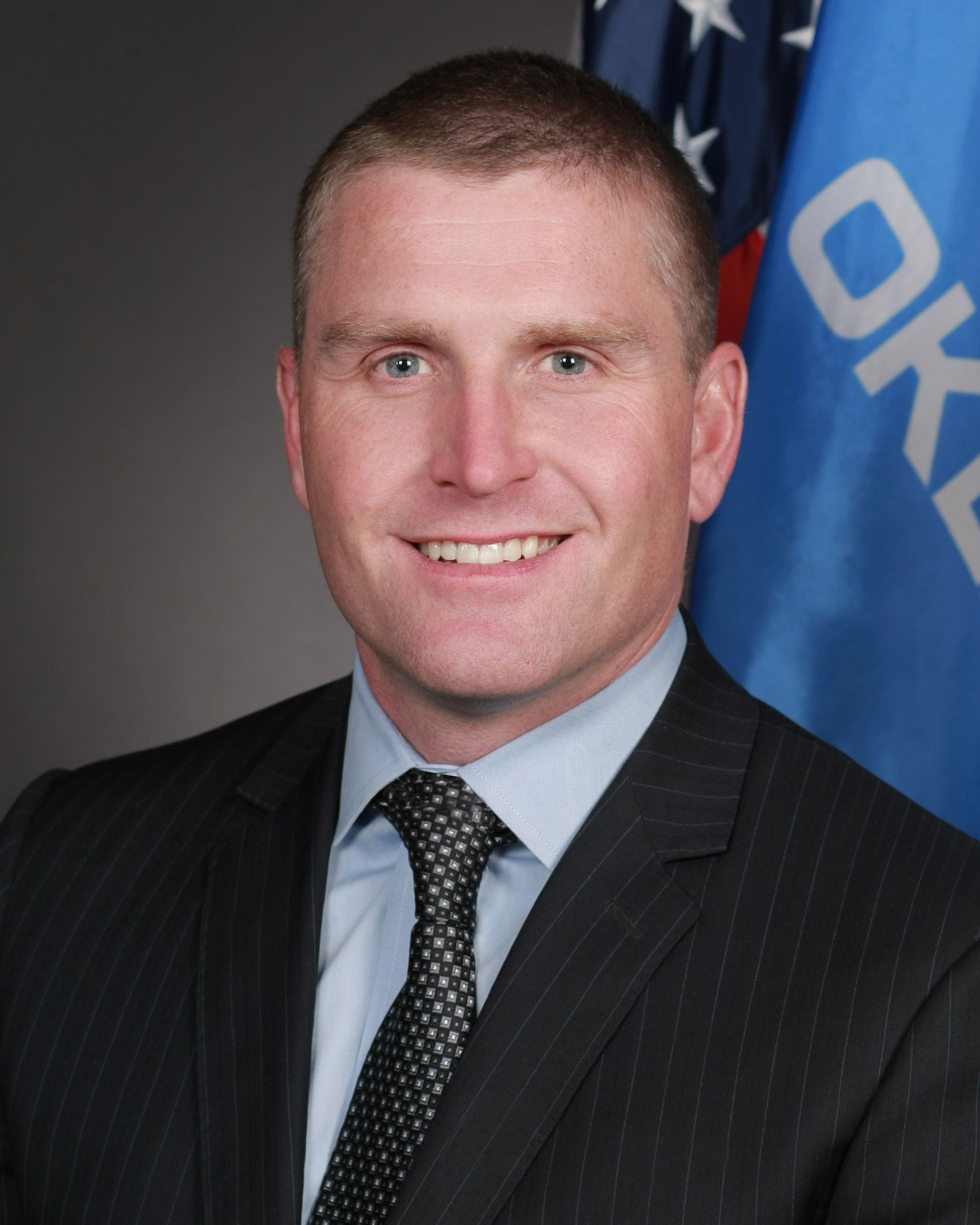
This Oklahoma House Concurrent Resolution expresses support for eliminating the United States Department of Education and urges the U.S. Congress to cooperate with that goal. The document argues that education is a state responsibility under the Tenth Amendment and claims that federal involvement has led to excessive regulations and poor student outcomes in Oklahoma. It highlights concerns about declining national reading scores and asserts that local control would better address educational needs. The resolution does not change any laws or policies within Oklahoma but serves as a formal statement of legislative sentiment regarding federal education policy.
SB 1167 provides $100,000 in state funds from the General Revenue Fund to Oklahoma's Supreme Court for the 2025-2026 fiscal year to support its legal duties. The funding is intended to cover necessary operational expenses required by law, with no specific new programs or policies created. An emergency declaration ensures the appropriation takes effect immediately upon approval, bypassing standard implementation timelines. This is a straightforward funding measure directly affecting the Supreme Court's budget.
SB 1164 appropriates $100,000 from the state general fund to Oklahoma's Department of Public Safety for the 2025-2026 fiscal year to support its existing legal duties. The bill declares an emergency to allow immediate funding for public safety needs, though it does not specify new programs or services. This is a routine budget allocation for an existing state agency, not a policy change affecting residents directly. The funds will be used as needed by the Department of Public Safety to carry out its current responsibilities. The bill was introduced on March 31, 2025, and referred to the Appropriations Committee.
SB 1161 allocates $100,000 from Oklahoma's General Revenue Fund to the Department of Corrections for the 2026 fiscal year. This funding supports the department's existing legal responsibilities, such as managing correctional facilities and staff operations. The bill declares an emergency to allow immediate use of these funds upon approval, bypassing standard budget timelines. It provides specific financial support for current Department of Corrections duties without creating new programs or altering existing laws.
HB 4476 establishes the Community Music Infrastructure and Events Development Program within Oklahoma's Film + Music Office to fund music-related projects. It creates two funding tracks: Track A supports permanent infrastructure like venue upgrades, sound systems, and ADA compliance (minimum $50,000 projects, $25,000 for rural areas), while Track B funds community festivals including artist fees and production costs (same minimums). Eligible applicants include municipalities, nonprofits, tribal nations, and Main Street programs. The program aims to expand year-round music facilities, boost local tourism, and develop workforce skills in event management and technical fields. Funds come from a dedicated revolving fund, with awards covering specific eligible costs like structural improvements or temporary festival infrastructure.
SB 1530 requires the Oklahoma Department of Commerce to verify that businesses claiming research and development rebates actually conducted eligible research within Oklahoma. It affects companies seeking rebates equal to 5% of their qualified research expenses, with a $20 million annual cap on total payments. The bill mandates that businesses submit applications and documentation for verification before receiving rebates, and if funds are insufficient, payments are prorated or carried over to future years. This amendment updates existing rules for the Oklahoma Research and Development Rebate Fund, effective July 1, 2026.
HB 3595 creates a permanent "Safer Counties Revolving Fund" within Oklahoma's State Treasury, managed by the Department of Public Safety. This fund, financed by existing legislative appropriations to the Department, provides grants to all Oklahoma counties to purchase public safety and traffic barrier equipment. Counties must use these funds solely for public safety purposes and cannot divert them to other uses. The fund operates without annual budget restrictions, allowing ongoing disbursements for safety equipment purchases.
HB 4273 creates an income tax credit for Oklahoma employees working in the aerospace sector who hold ABET-accredited engineering degrees or are licensed Professional Engineers. It defines "qualified employees" as individuals with such credentials working for "qualified employers" (aerospace businesses or higher education institutions with dedicated aerospace research programs). The credit applies to tuition paid for qualifying engineering programs and is limited to five years per person. This policy directly affects aerospace workers and employers in Oklahoma's aerospace industry by reducing their state income tax liability. The bill takes effect January 1, 2027.
SB 1990 modifies how Oklahoma evaluates business incentive programs (like tax breaks or grants) by updating the criteria the Incentive Evaluation Commission must use. It requires the Commission to assess whether incentives actually change business behavior, measure their statewide economic impact (including effects on other businesses), and compare results to similar programs in Oklahoma and other states. The bill also mandates that the Commission submit annual reports by December 15 to state leaders, including specific recommendations on whether each incentive should be kept, changed, or eliminated. These reports must be publicly available online and include detailed analysis of each incentive’s cost, effectiveness, and alignment with Oklahoma’s economic goals. The bill directly affects state agencies administering incentives and the Commission, which must now follow these updated evaluation standards.
SB 1992 creates a new income tax credit program for businesses constructing or expanding facilities in qualifying locations across Oklahoma, such as underpopulated counties (under 100,000 people) or near rail infrastructure. It allows a 10% tax credit on construction and expansion costs (up to $6 million per project) and a 50% credit for rail infrastructure projects (up to $3 million per project), with a total annual state cap of $12 million. The bill defines "strategic finance partner" as entities providing capital (like loans or investments) to qualifying projects, enabling them to claim the tax credit through assignment to the business. The credit expires after tax year 2027 and requires Oklahoma Department of Commerce approval for project eligibility.