Issue · Technology

Technology

Every technology bill, vote, and legislator stance in Ohio, automatically classified by Maddy, our AI policy reader.

Total bills
164
119th Congress
Top supporter
Emilia Strong Sykes
79% support rate
Top opponent
Warren Davidson
18% support rate
Ranked legislators
10
5 support · 5 oppose
Key legislators

Who's moving technology in Ohio

Legislators moving technology in Ohio
Legislator Party Stance Support rate Votes
Emilia Strong Sykes
Emilia Strong Sykes House · District 13
D
Support
79% 257
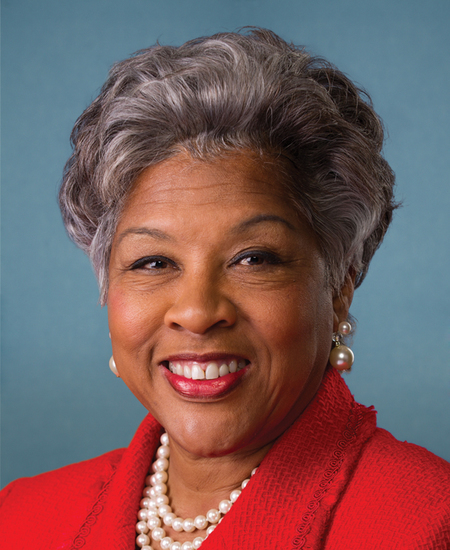
Joyce Beatty
Joyce Beatty House · District 3
D
Support
77% 252
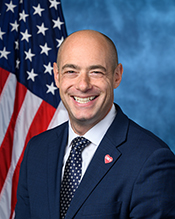
Greg Landsman
Greg Landsman House · District 1
D
Support
77% 261
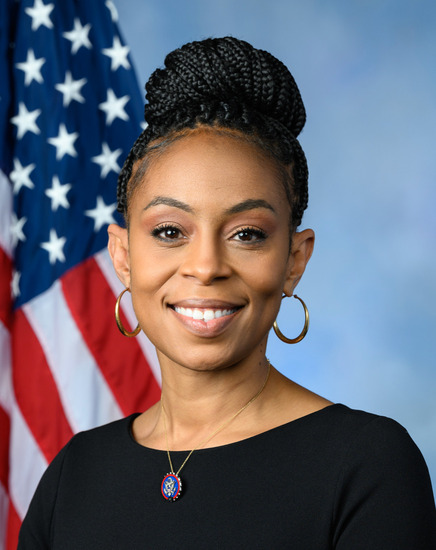
Shontel M. Brown
Shontel M. Brown House · District 11
D
Support
77% 262
Marcy Kaptur
Marcy Kaptur House · District 9
D
Support
73% 249
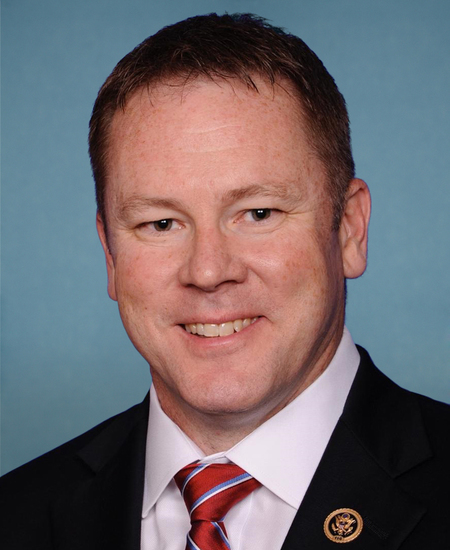
Warren Davidson
Warren Davidson House · District 8
R
Strong −
18% 261
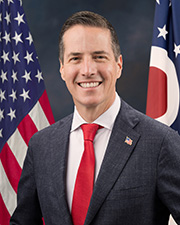
Bernie Moreno
Bernie Moreno Senate
R
Oppose
31% 229
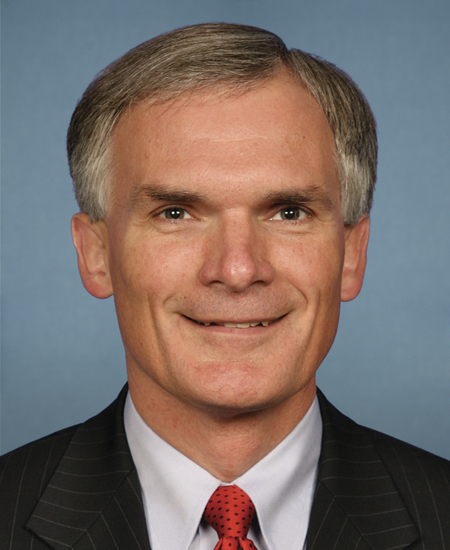
Robert E. Latta
Robert E. Latta House · District 5
R
Oppose
32% 263
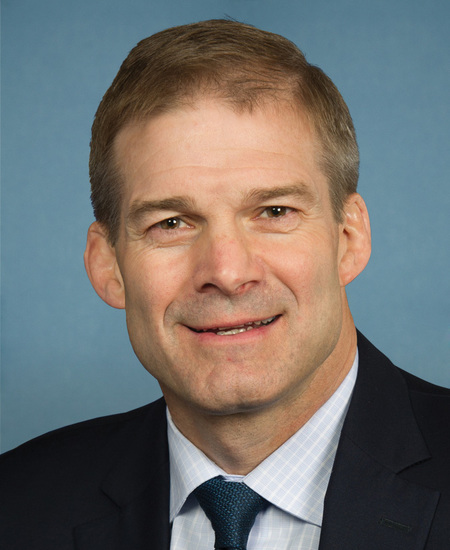
Jim Jordan
Jim Jordan House · District 4
R
Oppose
32% 253
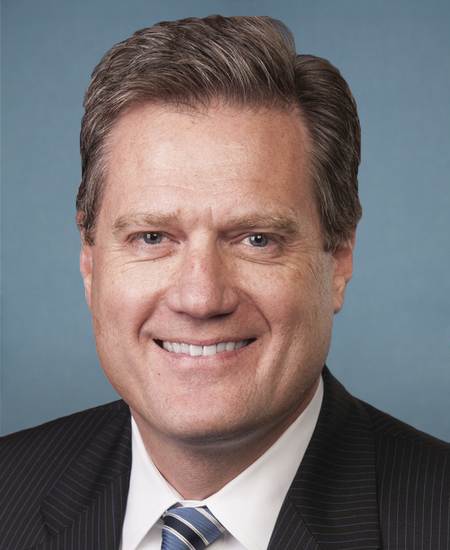
Michael R. Turner
Michael R. Turner House · District 10
R
Oppose
32% 256
Showing 1–10 of 164 bills

All technology bills

in committee · United States · House Sep 8, 2026

HR 10309: HOMEFRONT Act of 2026

The HOMEFRONT Act of 2026 prohibits U.S. courts from recognizing or enforcing foreign judgments based on censorship laws if the underlying conduct would be protected by the First Amendment in the United States. The bill places the burden of proof on the party seeking enforcement to demonstrate that the foreign court's jurisdiction and the specific judgment comply with U.S. constitutional standards and Section 230 of the Communications Act. It also bars federal, state, and local government officials from assisting foreign governments in enforcing such laws against U.S. persons and prevents the extradition of individuals for speech protected domestically. Additionally, the legislation grants affected individuals a private right of action to seek damages and requires the Attorney General to submit annual reports on foreign censorship impacts while directing the Federal Trade Commission to maintain a database of targeted speech instances.
in committee · United States · Senate Aug 7, 2026

S 5381: ADVERSARIES Act

The ADVERSARIES Act requires the Under Secretary of the Bureau of Industry and Security to conduct a review within 90 days of enactment regarding how U.S.-based affiliates of foreign entities on the Entity List or Military End User List might be acquiring controlled items that their parent companies are restricted from accessing. The review must also assess national security risks posed by foreign adversary exploitation of vulnerabilities in information and communications technology, including whether specific sectors pose undue risk to export control effectiveness. Following the review, officials must submit a report to relevant congressional committees detailing their findings, any planned actions to address identified threats within the next year, and recommendations for changes to U.S. law.
in committee · United States · House Aug 4, 2026

HR 10040: No TSA Data for ICE Act

This bill, titled the No TSA Data for ICE Act, prohibits the Transportation Security Administration from sharing passenger data with U.S. Customs and Border Protection or U.S. Immigration and Customs Enforcement. It specifically bars these agencies from using TSA information or data from private brokers to perform immigration enforcement functions. Additionally, the legislation prevents the denial, suspension, or early termination of Trusted Traveler programs like PreCheck and Global Entry if an individual's participation in First Amendment-protected activities is the reason. The law defines the restricted data as personally identifiable information about flight passengers obtained from the TSA or private sector entities.
in committee · United States · House Jul 22, 2026

HR 9858: STRATA Act of 2026

The STRATA Act of 2026 establishes a new program within the Department of State to foster international partnerships focused on advancing critical minerals technologies, aiming to strengthen U.S. supply chains and national security. This initiative allows the Secretary of State to form alliances with allied and partner nations, universities, and private companies while explicitly prohibiting collaborations with designated countries of concern such as China and Russia. Key provisions include the creation of International Centers of Excellence for research and training, the development of a digital platform to connect stakeholders with funding opportunities, and the establishment of clear guidelines for intellectual property and data security within these partnerships. The program authorizes the use of specific funding sources to support joint projects in extraction, recycling, and manufacturing, with a requirement that all activities conclude within ten years of the bill's enactment.
in committee · United States · Senate Jul 28, 2026

S 5154: CHAT Act 2.0

The CHAT Act 2.0 requires companies operating AI chatbots to register users with age verification and implement specific safety measures to protect minors from harm. The law categorizes these chatbots into three tiers based on their purpose, imposing stricter rules on those designed for companionship or mental health support, such as mandatory break reminders, limits on memory retention, and protocols to detect and report suicidal thoughts. Covered entities must clearly disclose that the chatbot is not human, prohibit the sale of minor users' data, and ensure that any AI providing therapeutic services is supervised by a licensed professional. Enforcement of these requirements falls under the Federal Trade Commission, which also has the authority to work with state attorneys general to address violations.
in committee · United States · Senate Jul 21, 2026

S 5057: Safeguarding Against Fabricated Exploitation Through Artificial Intelligence Act of 2026

This bill prohibits federal agencies from purchasing or using artificial intelligence models that fail to meet specific safety standards designed to prevent the creation of child sexual abuse material and non-consensual intimate images of adults. It requires the National Institute of Standards and Technology to establish performance benchmarks and a testing program within 180 days of enactment, while also mandating that agencies remove non-compliant software from their systems. The legislation includes a "cure" option allowing vendors to fix identified flaws at their own expense to avoid removal, and it bans the sale of tools specifically designed to bypass these safety controls. Additionally, the bill creates a private right of action, enabling individuals whose images are used to generate illegal content to sue developers for damages or injunctive relief.
in committee · United States · House Jul 23, 2026

HR 9914: Collaboration on Adversarial Threats and Security Risks Act

This bill creates a legal exemption from antitrust laws for companies and organizations that share information or coordinate actions to protect against security risks posed by artificial intelligence. Specifically, it allows these entities to exchange data or agree to temporarily delay the release or deployment of AI systems if they believe such steps are necessary to prevent threats like weaponization, attacks on critical infrastructure, or unauthorized access. To qualify for this protection, the organizations must act in good faith, use the shared information solely for security purposes, and submit a written notice to the Department of Justice before implementing any coordinated delays. The law also ensures that details submitted to the government remain confidential and allows the Attorney General to seek court orders against companies that fail to prove their actions were legitimate security measures.
in committee · United States · House Jun 30, 2026

HR 9550: Strategic Unmanned Systems Partnership Act

This bill establishes a Strategic Defense Innovation Working Group to facilitate cooperation between the United States and Ukraine on developing and producing unmanned military systems. The group, led by senior U.S. defense officials and including Ukrainian representatives, will identify effective drone technologies used by Ukraine and explore ways to co-develop, co-produce, and acquire them in the United States. Key provisions include creating frameworks for sharing military data and intellectual property, assessing supply chains to avoid reliance on adversarial nations, and reporting regularly to Congress on progress and legal barriers. The initiative aims to accelerate the deployment of proven Ukrainian drone capabilities while ensuring secure and compliant integration into U.S. defense efforts.
Sub-Topics Emerging Technology
in committee · United States · House Jun 25, 2026

HR 9482: Health and Location Data Protection Act of 2026

The Health and Location Data Protection Act of 2026 prohibits data brokers from buying, selling, or sharing specific types of personal information, including an individual's health data and location history. This ban applies to any entity that resells data it did not collect directly from the person, though it allows exceptions for actions compliant with existing HIPAA rules, newsworthy reporting, and disclosures where the individual has given valid consent. The Federal Trade Commission is tasked with defining exactly what counts as "data" and issuing final rules within 180 days of the law's enactment. Violations of these restrictions can lead to enforcement actions by the FTC, state attorneys general, or private individuals, potentially resulting in civil penalties of up to 15 percent of the violator's annual revenue. The legislation also includes a funding provision that appropriates $1 billion to the FTC for fiscal year 2027 to support its work under this act.
in committee · United States · House Jun 11, 2026

HR 9276: Federal Cryptocurrency Theft Enforcement and Coordination Act

The Federal Cryptocurrency Theft Enforcement and Coordination Act establishes a new task force within the Department of Justice to coordinate efforts against cryptocurrency theft. Led by the Attorney General, this group will include representatives from agencies such as the FBI and the Treasury to improve how federal, state, and local law enforcement investigate and prosecute these crimes. The task force is responsible for sharing information, providing training on digital evidence collection, and identifying gaps in current laws without creating new criminal offenses or regulating digital assets. Additionally, the Attorney General must submit annual reports to Congress detailing the task force's activities and offering recommendations for future improvements.
Showing 1 to 10 of 164 bills
1 2 3 17 Next