Issue · Labor & Employment

Labor & Employment (Labor Standards)

Every labor & employment bill, vote, and legislator stance in Ohio, automatically classified by Maddy, our AI policy reader.

Total bills
13
136th Legislature (2025-2026)
Top supporter
Beth Lear
50% support rate
Top opponent
-
no data yet
Ranked legislators
5
5 support · 0 oppose
Key legislators

Who's moving labor standards in Ohio

Legislators moving labor standards in Ohio
Legislator Party Stance Support rate Votes
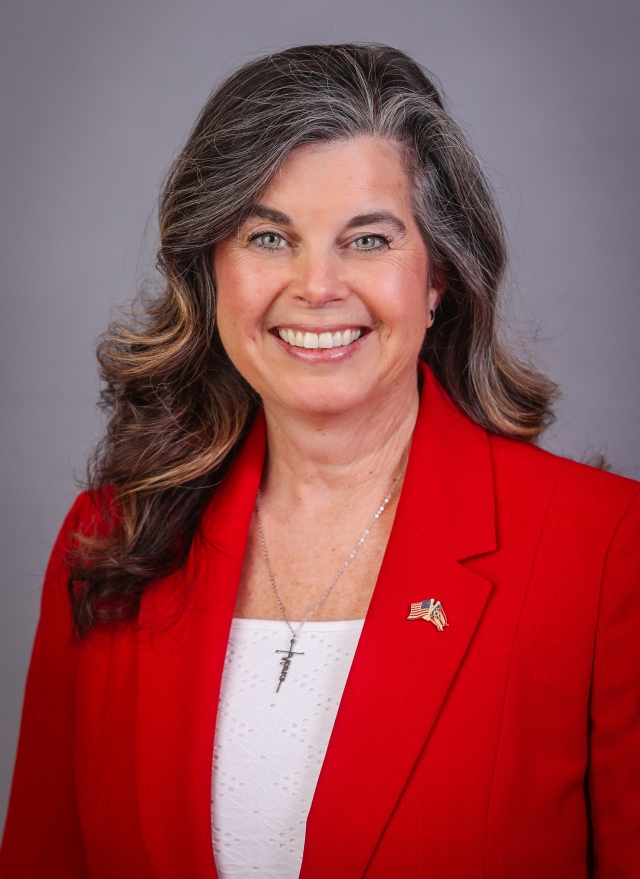
Beth Lear
Beth Lear House · District 61
R
Mixed
50% 4
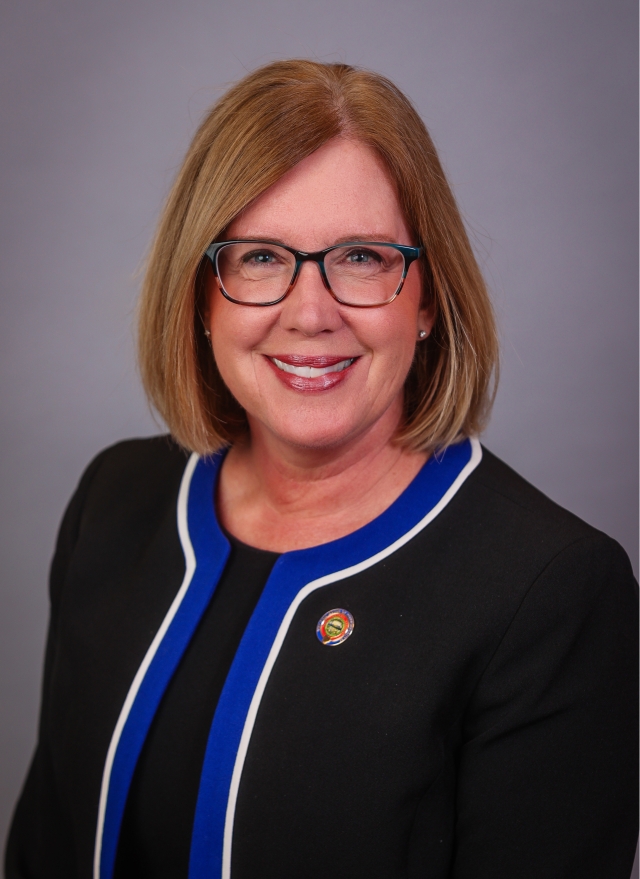
Catherine Ingram
Catherine Ingram Senate · District 9
D
Mixed
50% 4
Cindy Abrams
Cindy Abrams House · District 29
R
Mixed
50% 4
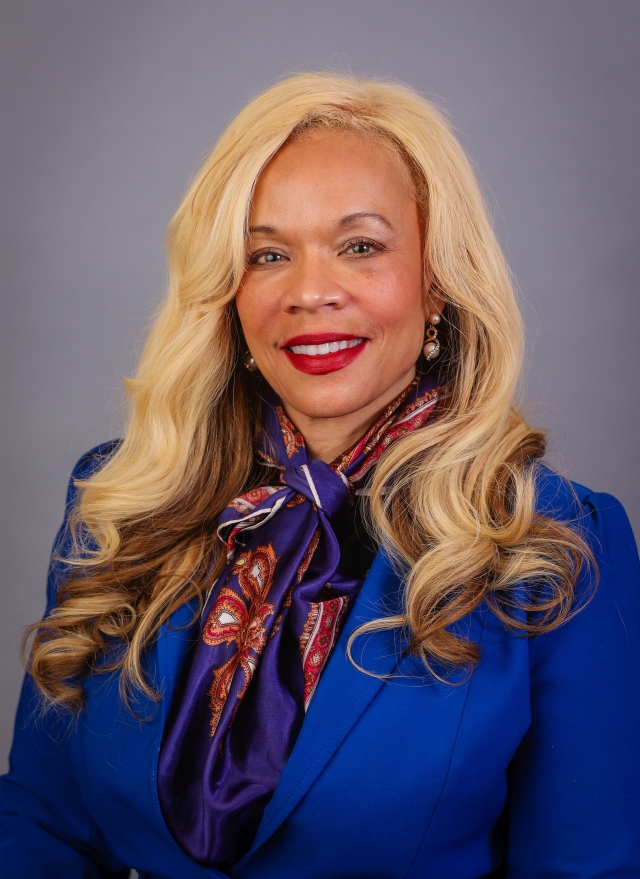
Erika White
Erika White House · District 41
D
Mixed
50% 4
George Lang
George Lang Senate · District 4
R
Mixed
50% 4
Showing 11–13 of 13 bills

All labor & employment bills

in committee · Ohio · Senate Feb 26, 2025

SB 117: Regulate the provision of earned wage access services

To amend section 1321.21 and to enact sections 1320.01, 1320.02, 1320.03, 1320.04, 1320.05, 1320.06, 1320.07, 1320.08, 1320.09, and 1320.10 of the Revised Code to regulate the provision of earned wage access services.
Sub-Topics Labor Standards
vetoed · Ohio · Senate Dec 3, 2025

SB 50: Regards age and schooling certificates, minor work hours

SB 50 amends Ohio law to update requirements for minors under sixteen working. It changes the rules for age verification, schooling certificates, and maximum work hours for young workers. The bill directly affects employers hiring minors and the minors themselves, requiring updated documentation and limiting work time. These changes aim to clarify and strengthen protections for young workers while ensuring compliance with educational obligations.
passed · Ohio · Senate Jun 9, 2026

SB 331: Allow certain public hospitality employees to accept gratuities

SB 331 allows certain public hospitality employees, such as those working in state-run hotels or event venues, to accept tips or gratuities from customers. The bill creates a new section (102.10) in the Revised Code to legally permit this practice, which was previously restricted under state policy. It directly affects public employees in hospitality roles by enabling them to receive voluntary customer payments. The provision clarifies that this applies only to specified public sector positions, not private businesses. The change updates state law to align with common practices in the broader hospitality industry.
Showing 11 to 13 of 13 bills