





Issue · Labor & Employment

Labor & Employment

Every labor & employment bill, vote, and legislator stance in Ohio, automatically classified by Maddy, our AI policy reader.

Total bills
32
136th Legislature (2025-2026)
Top supporter
Bill Blessing
89% support rate
Top opponent
Munira Abdullahi
17% support rate
Ranked legislators
10
5 support · 5 oppose
Key legislators

Who's moving labor & employment in Ohio

Legislators moving labor & employment in Ohio
Legislator Party Stance Support rate Votes
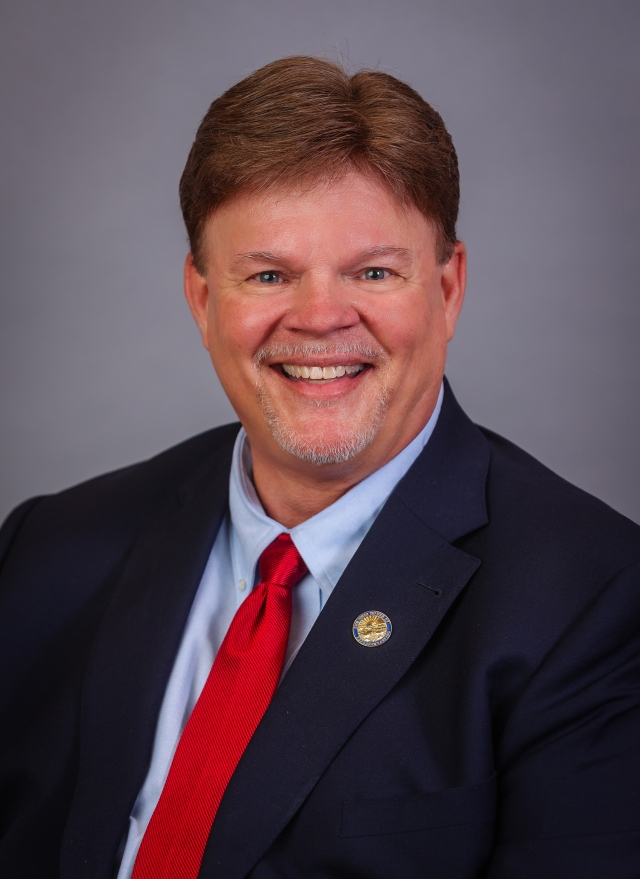
Bill Blessing
Bill Blessing Senate · District 8
R
Strong +
89% 25
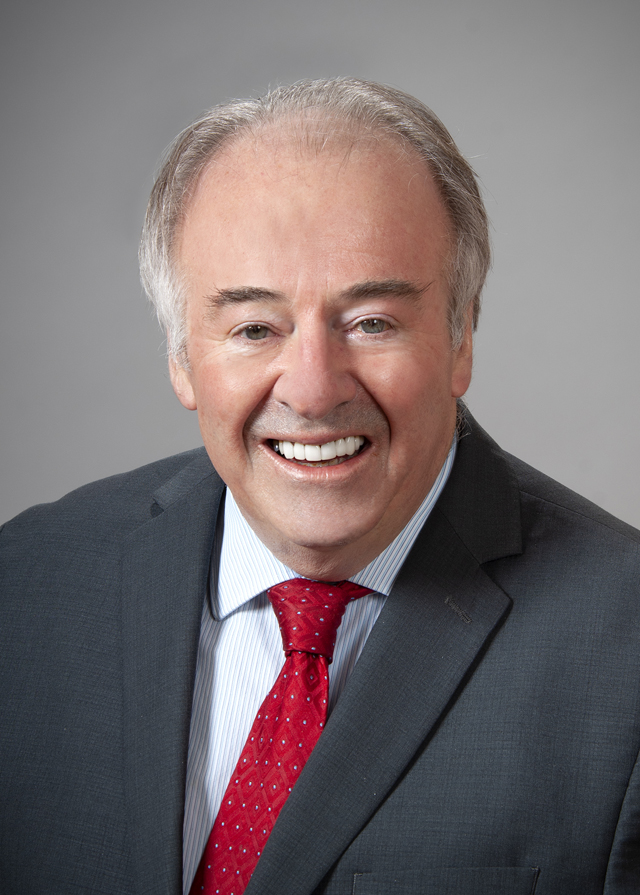
Andrew Brenner
Andrew Brenner Senate · District 19
R
Strong +
86% 21
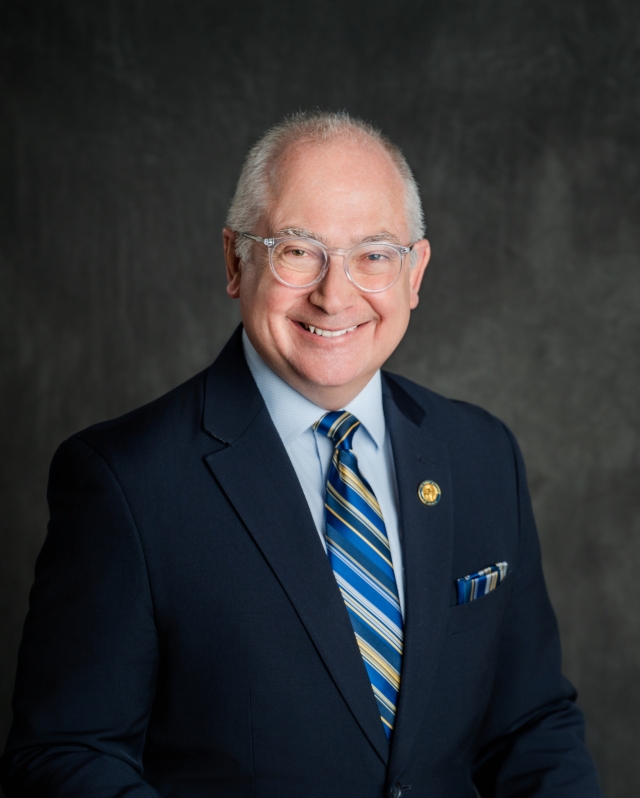
Bernie Willis
Bernie Willis House · District 74
R
Strong +
86% 32
Kevin Ritter
Kevin Ritter House · District 94
R
Strong +
86% 42
Dan Troy
Dan Troy House · District 23
D
Strong +
86% 39
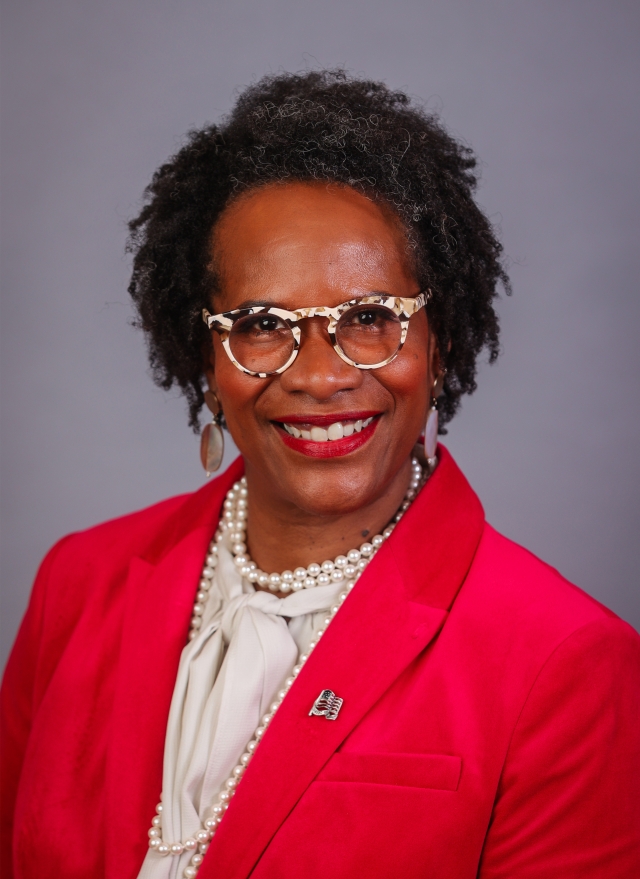
Munira Abdullahi
Munira Abdullahi House · District 9
D
Strong −
17% 37
Kent Smith
Kent Smith Senate · District 21
D
Strong −
20% 25
Paula Hicks-Hudson
Paula Hicks-Hudson Senate · District 11
D
Oppose
25% 21
Latyna Humphrey
Latyna Humphrey House · District 2
D
Oppose
25% 40
Meredith Lawson‐Rowe
Meredith Lawson‐Rowe House · District 5
D
Oppose
29% 36
Showing 11–20 of 32 bills

All labor & employment bills

signed · Ohio · House Mar 20, 2026

HB 246: Require certain construction industry employers to use E-verify

To enact sections 4151.01, 4151.02, 4151.03, 4151.04, 4151.05, 4151.06, and 4151.07 of the Revised Code to require certain construction industry employers to use E-verify and to sanction specified hiring practices in the industry.
in committee · Ohio · House Feb 18, 2026

HB 8: Require health plan and Medicaid coverage of biomarker testing

HB 8 requires health insurance plans and Ohio Medicaid to cover biomarker testing for diagnosis, treatment, and ongoing disease monitoring when ordered by a provider as medically necessary. The bill mandates coverage only for tests supported by specific evidence, such as FDA-approved uses, clinical guidelines, or peer-reviewed studies showing improved health outcomes, and explicitly excludes screening purposes. It also requires plans to minimize disruptions in care (like multiple biopsies) and ensures an accessible appeal process for coverage denials. This affects patients with conditions requiring these tests and healthcare providers ordering them, but does not change existing coverage for screening.
signed · Ohio · House Feb 4, 2026

HB 44: Regards law enforcement training and competitive examinations

To amend sections 124.11 and 124.30 and to enact section 737.061 of the Revised Code regarding training schools for prospective law enforcement officers and filling a vacant police department position without a competitive examination.
signed · Ohio · House Jan 19, 2026

HB 57: Regards school policies on administering overdose reversal drugs

HB 57 requires Ohio schools to establish written policies allowing trained staff to administer overdose reversal drugs (like naloxone) during opioid overdose emergencies. It directly affects school staff, administrators, and students by creating clear protocols for emergency response. Key provisions include mandating staff training on drug administration, specifying when and how the drugs may be used, and requiring documentation of each administration. The bill aims to enable swift, life-saving interventions in school settings without requiring individual prescriptions for each incident. These changes apply to all public and private schools operating within Ohio.
vetoed · Ohio · Senate Dec 3, 2025

SB 50: Regards age and schooling certificates, minor work hours

SB 50 amends Ohio law to update requirements for minors under sixteen working. It changes the rules for age verification, schooling certificates, and maximum work hours for young workers. The bill directly affects employers hiring minors and the minors themselves, requiring updated documentation and limiting work time. These changes aim to clarify and strengthen protections for young workers while ensuring compliance with educational obligations.
passed · Ohio · House Nov 19, 2025

HB 253: License advanced practice respiratory therapists

To amend sections 2305.234, 2925.01, 2925.23, 2925.55, 2925.56, 2929.42, 3701.048, 3701.74, 3715.872, 3719.121, 3719.13, 3719.81, 4729.01, 4729.51, 4731.22, 4731.25, 4743.09, 4755.48, 4761.01, 4761.03, 4761.032, 4761.06, 4761.061, 4761.07, 4761.09, 4761.13, 4761.14, 4761.17, 4761.30, 4761.99, 4765.51, 4769.01, 5123.47, 5164.95, and 5903.12 and to enact sections 4761.033, 4761.20, 4761.21, 4761.31, 4761.311, 4761.32, 4761.33, 4761.34, 4761.35, 4761.36, 4761.37, 4761.38, 4761.39, 4761.391, 4761.40, 4761.41, 4761.42, 4761.44, 4761.45, 4761.46, and 4761.49 of the Revised Code to license advanced practice respiratory therapists.
passed both · Ohio · Senate Nov 5, 2025

SCR 3: Urge Fair Labor Standards Act changes for employees under 16

To urge Congress to make changes to the Fair Labor Standards Act to allow a person under 16 years of age to be employed between 7 p.m. and 9 p.m. during the school year.
signed · Ohio · Senate Sep 30, 2025

SB 39: Provide for informational poster on veteran benefits and services

To enact section 4113.13 of the Revised Code regarding the creation and display of a poster containing information on benefits and services for veterans.
signed · Ohio · Senate Sep 30, 2025

SB 114: Prohibit law enforcement from using quotas for arrests, citations

SB 114 bans law enforcement agencies from setting mandatory targets for arrests or citations. It directly affects police departments and officers who previously may have been required to meet specific numerical goals. The bill creates a new state law section (109.70) making it illegal to use such quotas. This is a direct policy change prohibiting a specific practice, not a broader reform.
signed · Ohio · House Jun 27, 2025

HB 81: Make appropriations for Bureau of Workers' Comp for FY 2026-27

To amend sections 4121.12, 4121.121, 4121.13, 4123.44, 4123.52, 4123.54, 4123.57, 4123.66, 4125.07, 4133.10, 4167.01, 4167.10, and 5145.163 and to repeal sections 4167.25, 4167.27, and 4167.28 of the Revised Code to make appropriations for the Bureau of Workers' Compensation for the biennium beginning July 1, 2025, and ending June 30, 2027, to provide authorization and conditions for the operation of the Bureau's programs, and to make changes to the Workers' Compensation Law.
Showing 11 to 20 of 32 bills
Previous 1 2 3 4 Next