Issue · Transportation

Transportation

Every transportation bill, vote, and legislator stance in North Dakota, automatically classified by Maddy, our AI policy reader.

Total bills
20
119th Congress
Top supporter
Julie Fedorchak
53% support rate
Top opponent
Kevin Cramer
33% support rate
Ranked legislators
3
1 support · 2 oppose
Key legislators

Who's moving transportation in North Dakota

Legislators moving transportation in North Dakota
Legislator Party Stance Support rate Votes
Julie Fedorchak
Julie Fedorchak House · District At-Large
R
Mixed
53% 120
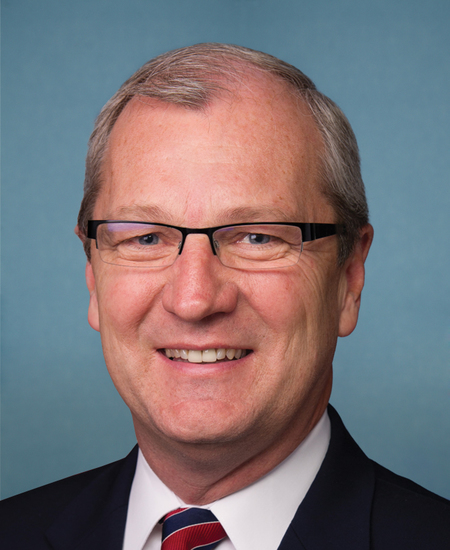
Kevin Cramer
Kevin Cramer Senate
R
Oppose
33% 152
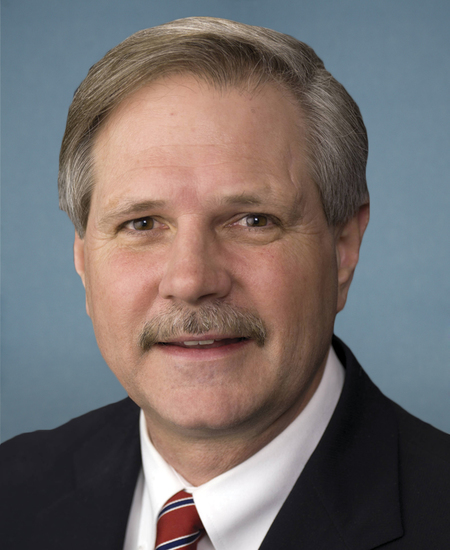
John Hoeven
John Hoeven Senate
R
Oppose
33% 153
Showing 1–10 of 20 bills

All transportation bills

in committee · United States · Senate Jul 22, 2026

S 5080: Modal Parity in Permitting Act

The Modal Parity in Permitting Act allows federal transit funds to be used for purchasing or leasing real property needed for transit projects before environmental reviews are finished, provided the transaction follows federal law. This change applies to projects receiving financial assistance for transit corridors and passenger rail lines, enabling earlier acquisition of land or buildings. However, the bill strictly prohibits any physical development or improvements to that property until all required environmental reviews are complete. Additionally, the Federal Transit Administration must update its existing guidance documents within six months to reflect these new rules.
Sub-Topics Public Transit Rail
in committee · United States · House Jun 24, 2026

HR 9250: Great American Outdoors Act 250

This bill redesignates the existing National Parks and Public Land Legacy Restoration Fund as the America's Legacy Restoration Fund to address deferred maintenance on federal lands. It directs revenue from recreation fees and a portion of energy development income into the fund, which must be used primarily for repairing critical infrastructure like roads, trails, and buildings managed by agencies such as the National Park Service and the Forest Service. The legislation establishes strict rules requiring that most funds go toward non-transportation projects, mandates transparency through public dashboards tracking project status, and sets aside a small percentage for matching private donations. Additionally, the bill increases entrance fees for foreign visitors to ensure they contribute to the fund, while prohibiting the use of these specific funds for land acquisition or employee bonuses.
in committee · United States · House Jun 4, 2026

HR 9141: SAVE America Through REAL ID Act

HR 9141, titled the SAVE America Through REAL ID Act, establishes a federal grant program to help states eliminate fees for low-income individuals seeking REAL ID-compliant driver's licenses or identification cards. The legislation defines low-income individuals as those earning at or below 200 percent of the federal poverty level or participating in means-tested assistance programs. Funds allocated to states can be used to waive application fees, cover administrative costs, conduct public outreach, and provide mobile services in underserved areas. To receive these funds, states must submit detailed plans outlining how they will identify eligible applicants and ensure privacy compliance, while the Department of Homeland Security will distribute money based on population need and require annual reporting on program usage. The bill authorizes $50 million annually for fiscal years 2027 through 2031 to support these efforts.
passed · United States · Senate May 21, 2026

SRES 750: A resolution recognizing "National Public Works Week" and the contributions of public works professionals.

This Senate resolution formally recognizes National Public Works Week, which runs from May 17 to May 23, 2026, to honor the work of public works professionals. The bill highlights the essential services these workers provide, including the construction and maintenance of transportation systems, water infrastructure, and facilities used for emergency response. By issuing a commendation, the resolution aims to increase public awareness of the importance of infrastructure and the dedicated workforce that keeps communities safe and functional. This measure does not change laws or allocate funding but serves as a symbolic acknowledgment of the contributions made by these employees.
in committee · United States · Senate Apr 30, 2025

S 1532: A bill to amend the Internal Revenue Code of 1986 to modify the railroad track maintenance credit.

This bill increases the annual limit on the tax credit for qualified railroad track maintenance expenses (also referred to as the short line railroad tax credit) and expands eligibility for claiming the credit. Under current law, the tax credit is limited each tax year to $3,500 multiplied by the sum of the number of miles of railroad track owned or leased by the taxpayer (miles owned or leased) and the number of railroad track miles assigned to the taxpayer by a Class II or III railroad (miles assigned). This bill increases the annual limit to $6,100 multiplied by the sum of miles owned or leased and miles assigned. The $6,100 amount used in the calculation of the tax credit limit is adjusted for inflation for tax years beginning after 2025. The bill also expands eligibility for the tax credit to include gross expenses for maintaining railroad tracks owned or leased as of January 1, 2024. Under current law, the tax credit is limited to gross expenses for maintaining railroad tracks owned or leased as of January 1, 2015.
Sub-Topics Tax Credits Rail
in committee · United States · Senate Feb 20, 2025

S 660: Bus Rolling Stock Modernization Act of 2025

This bill modifies federal transit funding rules to allow transit agencies to make advance payments for new buses without requiring pre-approval or performance bonds from manufacturers. It directly affects public transit agencies purchasing bus rolling stock by permitting advance payments up to 20% of the total contract value. Key provisions require agencies to have a signed contract with the manufacturer, preaward authority, and compliance with existing requirements under sections 5318(e) and 5323(m) of Title 49. The change streamlines procurement but maintains strict limits on advance payment amounts and conditions.
in committee · United States · Senate Dec 17, 2025

S 3556: Wildlife Crossings Program Reauthorization Act of 2025

This bill reauthorizes a federal program providing funding for wildlife crossings - such as overpasses or underpasses - to help animals safely cross roads. It authorizes $100 million annually from 2027 through 2031 from the Highway Trust Fund, making the program permanent (removing "pilot" language). Key provisions include requiring 90% federal funding for projects in small, rural, or disadvantaged communities (up to 100% if financial hardship exists) and allocating 0.5% of funds yearly to help tribes and other eligible groups apply for and access program funding more efficiently. The bill directly affects communities and tribes seeking to build wildlife crossings near highways.
in committee · United States · House May 8, 2025

HR 3270: Air Traffic Control Workforce Development Act of 2025

HR 3270, the Air Traffic Control Workforce Development Act of 2025, aims to strengthen the pipeline of air traffic controllers by improving training programs and retention. It provides $20 million annually (2026-2031) for colleges to develop specialized curricula and equipment through the Enhanced-Collegiate Training Initiative program, allowing graduates to be hired noncompetitively as controllers. The bill also establishes a committee to modernize training curricula and the Air Traffic Skills Assessment exam, while creating retention bonuses for certified controllers and mental health training for medical examiners. These changes directly affect colleges offering air traffic control programs, prospective controllers, and current FAA air traffic controllers.
in committee · United States · Senate Feb 24, 2025

S 697: Air Traffic Control Workforce Development Act of 2025

S 697 establishes the Air Traffic Control Workforce Development Act of 2025 to strengthen training and retention for air traffic controllers. It creates a $20 million annual grant program (2026-2031) for colleges to develop enhanced curriculum, faculty support, and equipment for the Collegiate Training Initiative (CTI), directly benefiting institutions and future controllers. The bill also mandates a committee to modernize CTI curricula and the Air Traffic Skills Assessment exam, while adding retention bonuses for certified controllers. Additionally, it requires new mental health training for controllers and aviation medical examiners, and a report on airport radar systems. These changes aim to improve workforce pipeline efficiency and controller well-being.
in committee · United States · House Jan 16, 2025

HR 516: To amend the Internal Revenue Code of 1986 to modify the railroad track maintenance credit.

This bill increases the annual limit on the tax credit for qualified railroad track maintenance expenses (also referred to as the short line railroad tax credit) and expands eligibility for claiming the credit. Under current law, the tax credit is limited each tax year to $3,500 multiplied by the sum of the number of miles of railroad track owned or leased by the taxpayer (miles owned or leased) and the number of railroad track miles assigned to the taxpayer by a Class II or III railroad (miles assigned). This bill increases the annual limit to $6,100 multiplied by the sum of miles owned or leased and miles assigned. The $6,100 amount used in the calculation of the tax credit limit is adjusted for inflation for tax years beginning after 2025. The bill also expands eligibility for the tax credit to include gross expenses for maintaining railroad tracks owned or leased as of January 1, 2024. Under current law, the tax credit is limited to gross expenses for maintaining railroad tracks owned or leased as of January 1, 2015.
Sub-Topics Tax Credits Rail
Showing 1 to 10 of 20 bills
1 2 Next