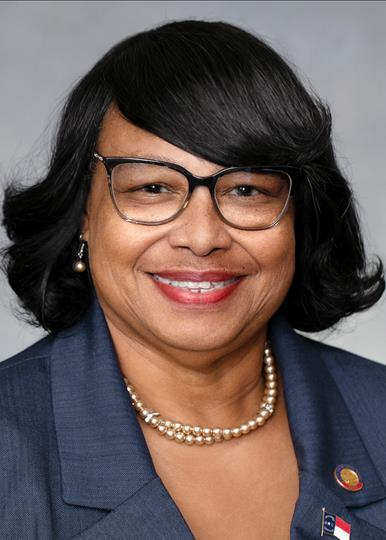
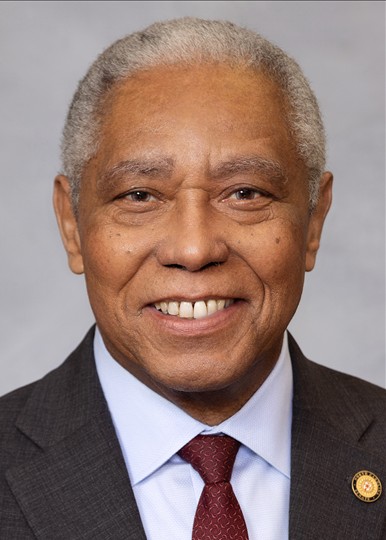
Key legislators
Who's moving labor & employment in North Carolina
Showing 3 of 3
bills
All labor & employment bills
This bill amends North Carolina's workplace violence prevention laws to include "mass picketing" as a form of unlawful conduct. It defines mass picketing as any picketing that obstructs entry to or exit from a workplace or public roads. The bill expands the definition of "unlawful conduct" to include hindering work or blocking access through mass picketing. This allows employers to seek civil no-contact orders against individuals engaging in these newly defined unlawful acts. The legislation explicitly states it does not apply to union activities or labor disputes protected by federal law.
HB 568 modifies North Carolina's labor laws primarily to streamline safety inspections and administrative processes. It restricts subpoenas against Department of Labor staff during safety investigations (except in enforcement cases or with written consent), limits public hearings for adopting federal safety standards identical to federal rules, and requires medical examiners to share workplace injury reports with the Labor Commissioner within 30 days. The bill also clarifies that safety inspection documents remain admissible in court without witness testimony unless reliability is in question. These changes affect the Department of Labor, employers, and workers' safety investigators by altering how evidence is handled and shared in workplace safety cases.
HB 37 standardizes monthly pension benefits for North Carolina firefighters and rescue squad workers under the state pension fund. It sets a uniform $175 monthly pension for members with 20+ years of service who reach age 55, replaces the previous $180 amount, and maintains $175 for disability benefits and line-of-duty death benefits. The bill also allows members affected by city annexations or department closures to continue contributing $15 monthly until they reach 20 years of service for pension eligibility. These changes apply to current and future members of the pension fund who meet the service requirements. The bill does not alter contribution rates or eligibility for most members but adjusts benefit amounts and extends certain provisions.