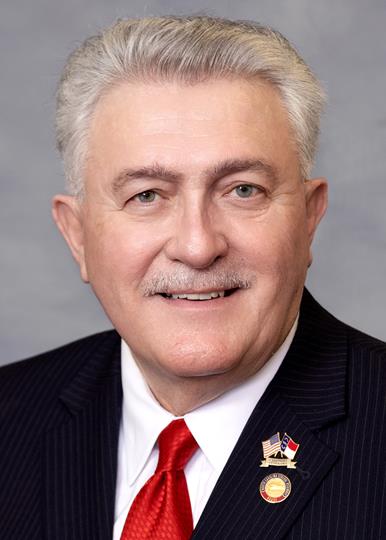
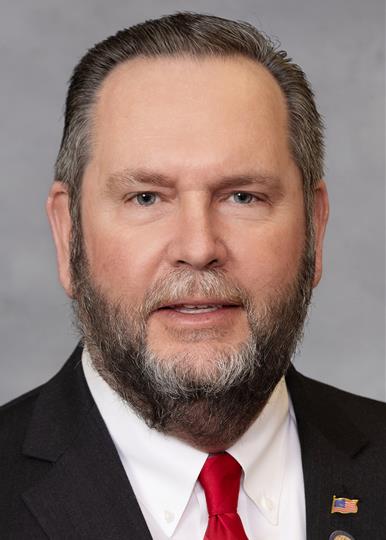
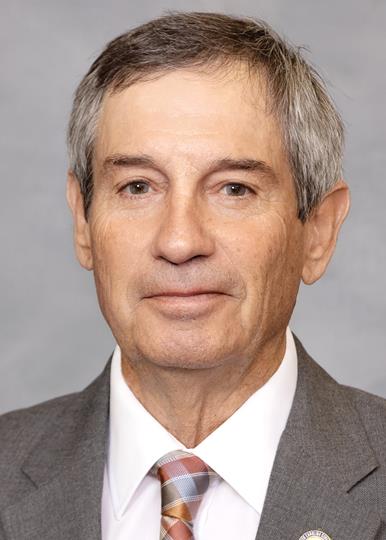
Key legislators
Who's moving immigration in North Carolina
Showing 4 of 4
bills
All immigration bills
SB 153, the North Carolina Border Protection Act, requires state law enforcement and correctional facilities to cooperate with federal immigration authorities. It mandates that state employees determine the immigration status of people in custody, report non-citizens to ICE, and enter into 287(g) agreements with Immigration and Customs Enforcement (ICE) to allow designated officers to enforce immigration laws under ICE supervision. The bill also prohibits UNC constituent institutions from adopting sanctuary policies. These provisions directly affect state departments of Public Safety and Adult Correction, as well as UNC universities. The bill does not change existing federal immigration law but requires state agencies to align their practices with federal enforcement priorities.
HB 318 requires North Carolina county jails and detention facilities to check the immigration status of individuals charged with specific offenses (including certain felonies, misdemeanors, and impaired driving) and to notify U.S. Immigration and Customs Enforcement (ICE) if a detainer is issued. If ICE issues a detainer, facilities must hold the person for up to 48 hours (or until ICE takes custody) and notify ICE 2 hours before the person would otherwise be released. For pretrial defendants facing similar charges, the bill mandates a two-hour hold to allow ICE to issue a detainer; if none is received, the defendant must be released. The law also shields state officials from liability when following these procedures.
HB 690, "The Citizens Support Act," directs several state and local agencies to ensure that state-funded benefits are provided only to U.S. citizens and noncitizens legally authorized to reside in the United States. The Department of Health and Human Services, Department of Commerce, Housing Finance Agency, and local housing authorities must develop plans to review eligibility criteria and verify the immigration status of applicants for various benefits, including housing, welfare, and medical assistance. State-funded institutions of higher education are required to adopt policies to verify applicants' legal residency for tuition and educational benefits. Additionally, the Division of Employment Security must implement a policy to verify legal residency for unemployment benefit applicants. These agencies are also mandated to report on their implementation progress and any federal laws that prevent them from denying benefits.
HB 261 establishes new sentence enhancements for individuals convicted of certain crimes. It increases the severity of a felony sentence (excluding Class A) if the person was unlawfully in the United States and had prior immigration issues, raising the felony by one or two classes. The bill also enhances sentences for felonies (excluding Class A) and misdemeanors committed while conspiring with others to benefit or promote criminal activity. For these offenses, the sentence is increased by one class, or a Class A1 misdemeanor becomes a Class I felony. These enhancements apply if the specific conditions are proven beyond a reasonable doubt during trial.