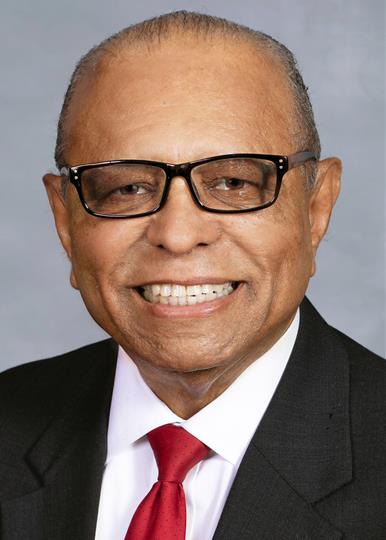
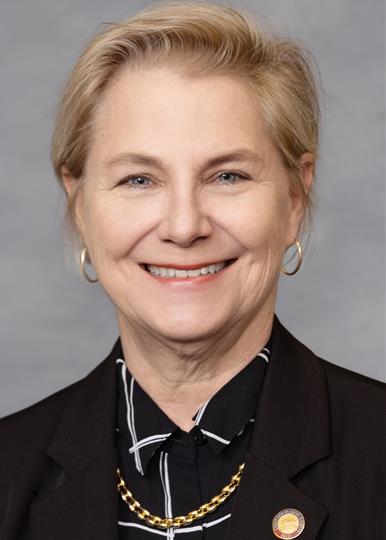
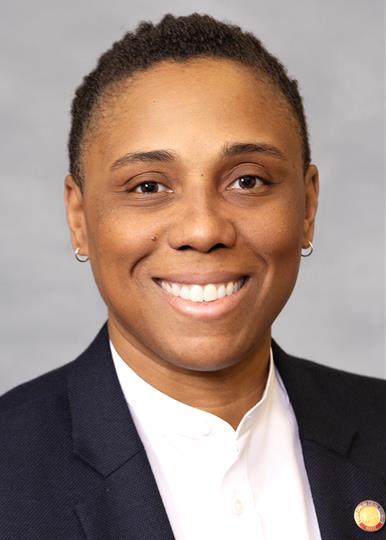
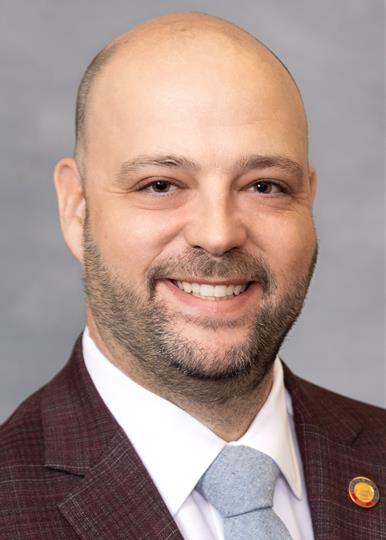
Key legislators
Who's moving housing in North Carolina
Showing 4 of 4
bills
All housing bills
HB 437 establishes "Drug-Free Homeless Service Zones" within 300 feet of facilities that provide homeless services (like shelters or transitional housing) using public funds. It increases penalties for drug offenses committed in these zones: individuals 21+ face Class E felony charges, while facility operators allowing such offenses face Class 1 misdemeanor charges. Facilities must display visible signs identifying the zone, and the law applies to offenses committed on or after December 1, 2025. The bill directly affects homeless service providers, their operators, and individuals committing drug offenses in designated zones.
SB 164 creates a new Class F felony offense for entering someone's property without legal justification during a declared emergency in an emergency area and taking, damaging, or destroying *temporary shelter* - such as tents, trailers, mobile homes, or vehicles used as living quarters. It directly affects individuals who might loot temporary housing following disasters like floods or storms, where standard security is compromised. The law specifies that victims can sue offenders for triple their actual damages plus legal fees. This amendment to North Carolina law (effective December 2025) targets the specific act of stealing or damaging emergency housing, not general property crimes.
SB 55 creates a fast-track court process for property owners or their authorized representatives (like real estate brokers) to remove people occupying residential property without legal right, such as squatters. To qualify, the owner must prove the occupant has no lease, hasn't paid rent, and wasn't invited, while excluding tenants who stayed past their lease term. The process requires a hearing within 48 hours of filing, with removal ordered within 4 hours of the court decision. An appeal requires a $10,000 bond and allows a full trial in district court.
HB 762 modernizes North Carolina's mortgage licensing rules under the S.A.F.E. Act and adjusts fee limits for second or junior lien loans. It directly affects mortgage lenders offering these second mortgages by requiring their fees to align with federal qualified mortgage standards. The bill modifies maximum permissible fees to better match federal requirements, aiming to reduce consumer costs and improve compliance. This change applies specifically to loans secured by a second or junior lien on residential properties. The bill focuses on policy adjustments without altering licensing processes or consumer protections beyond fee structures.