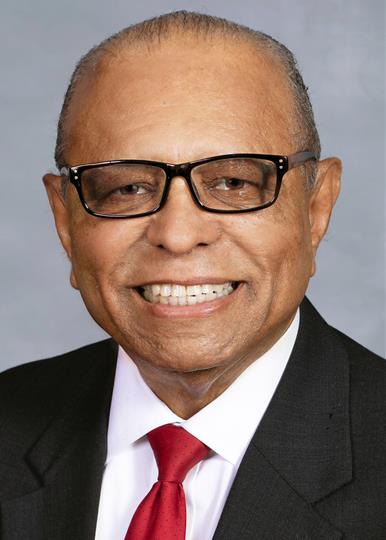
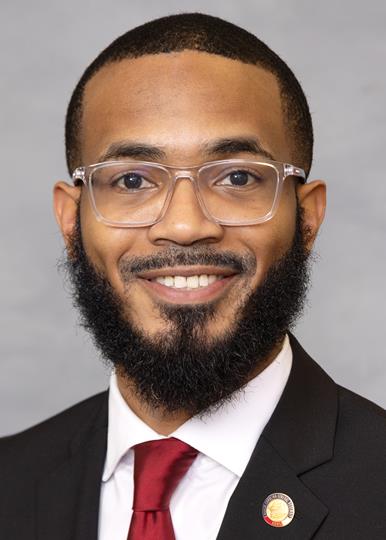
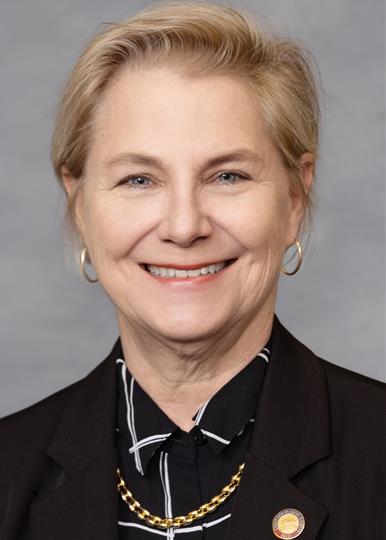
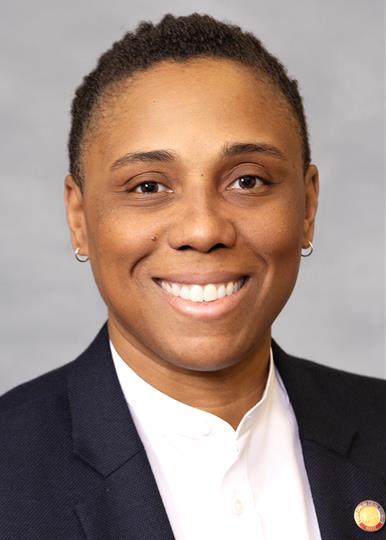
Key legislators
Who's moving housing in North Carolina
Showing 3 of 3
bills
All housing bills
HB 437 establishes "Drug-Free Homeless Service Zones" within 300 feet of facilities that provide homeless services (like shelters or transitional housing) using public funds. It increases penalties for drug offenses committed in these zones: individuals 21+ face Class E felony charges, while facility operators allowing such offenses face Class 1 misdemeanor charges. Facilities must display visible signs identifying the zone, and the law applies to offenses committed on or after December 1, 2025. The bill directly affects homeless service providers, their operators, and individuals committing drug offenses in designated zones.
This bill proposes a constitutional amendment that would require the North Carolina legislature to establish a statewide limit on how much local property tax levies can increase each year. The measure also mandates that any local government wanting to raise property taxes beyond this limit must first obtain approval from a majority of voters in that specific area. Because this change alters the state constitution, it will not take effect immediately but will instead be placed on the November 3, 2026, ballot for voters to decide whether to adopt. If approved by the public, the amendment would legally bind the General Assembly to create the specific tax increase caps mentioned in the text.
HB 126 requires state and local agencies to seek input from agricultural advisory boards before condemning or rezoning farmland within voluntary agricultural districts. It mandates that agencies request public hearings on such proposals, giving boards 45 days to review and submit recommendations. Agencies cannot proceed with condemnation or rezoning actions while the board is processing the request, extending the timeline to 120 days after the board submits its findings. The bill directly affects landowners in these districts and agencies making land use decisions, effective October 1, 2025.