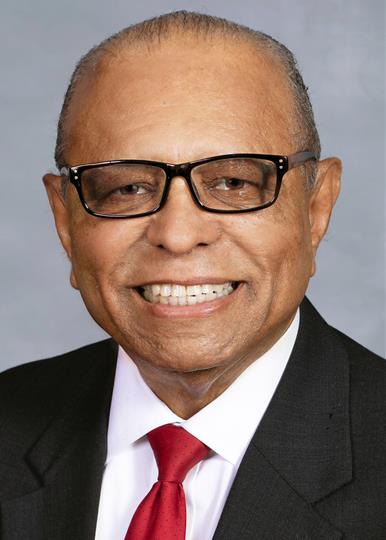
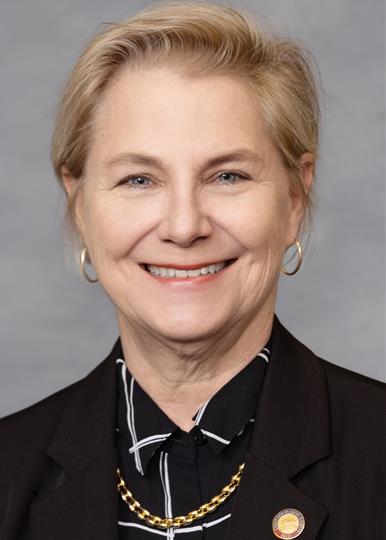
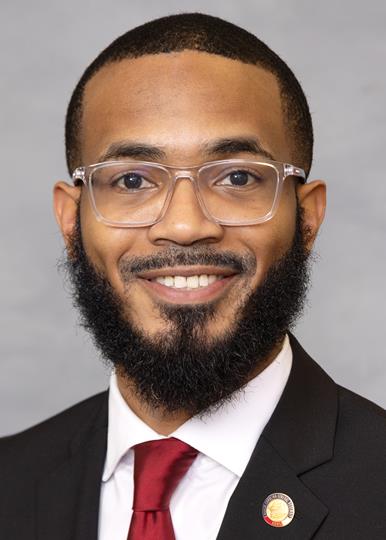
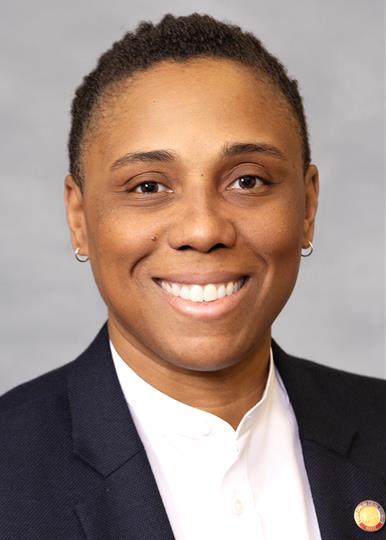
Key legislators
Who's moving housing in North Carolina
Showing 3 of 3
bills
All housing bills
HB 437 establishes "Drug-Free Homeless Service Zones" within 300 feet of facilities that provide homeless services (like shelters or transitional housing) using public funds. It increases penalties for drug offenses committed in these zones: individuals 21+ face Class E felony charges, while facility operators allowing such offenses face Class 1 misdemeanor charges. Facilities must display visible signs identifying the zone, and the law applies to offenses committed on or after December 1, 2025. The bill directly affects homeless service providers, their operators, and individuals committing drug offenses in designated zones.
HB 173 freezes Wake County municipalities' ability to expand extraterritorial jurisdiction (ETJ) beyond their 2025 boundaries until 2028, directly affecting local governments in Wake County. It removes one specific property parcel (tax ID 966773980500000) from Asheville's city limits, effective June 2025, while preserving existing tax liens. The bill also revises rules for commercial development moratoria, requiring four hearings (two in-person in affected areas) and detailed justifications for any 60-day moratorium, which cannot be renewed. These changes apply to all North Carolina municipalities adopting commercial development moratoria after the bill's effective date.
HB 126 requires state and local agencies to seek input from agricultural advisory boards before condemning or rezoning farmland within voluntary agricultural districts. It mandates that agencies request public hearings on such proposals, giving boards 45 days to review and submit recommendations. Agencies cannot proceed with condemnation or rezoning actions while the board is processing the request, extending the timeline to 120 days after the board submits its findings. The bill directly affects landowners in these districts and agencies making land use decisions, effective October 1, 2025.