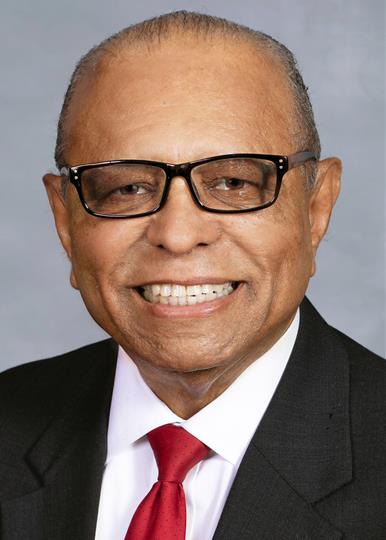
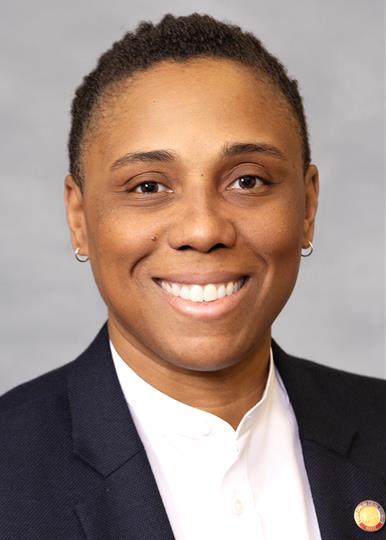
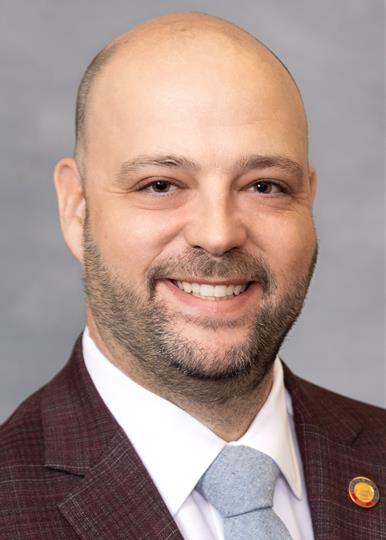
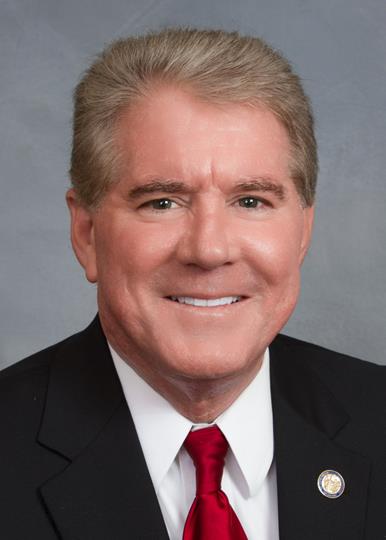
Key legislators
Who's moving housing in North Carolina
Showing 3 of 3
bills
All housing bills
This bill, officially titled "An Act to Establish Exemptions from Certain Floodplain Requirements for the Replacement or Reconstruction of Structures Damaged by Historic Flood Events," corrects the misstated title "Power Bill Reduction Act." It directly affects property owners seeking to rebuild or replace structures damaged by a "historic flood event" (defined as a flood meeting or exceeding a 200-year flood standard) within the base floodplain. The key provision allows rebuilding to the same or lesser size/volume as before the flood, without adhering to newer state or local flood regulations, but prohibits increases in size/volume unless hydrologic analysis proves it won’t raise flood elevations. This exemption applies to structures lawfully established before the flood event.
HB 126 requires state and local agencies to seek input from agricultural advisory boards before condemning or rezoning farmland within voluntary agricultural districts. It mandates that agencies request public hearings on such proposals, giving boards 45 days to review and submit recommendations. Agencies cannot proceed with condemnation or rezoning actions while the board is processing the request, extending the timeline to 120 days after the board submits its findings. The bill directly affects landowners in these districts and agencies making land use decisions, effective October 1, 2025.
HB 913 aims to hold local governments accountable for development decisions by allowing or mandating the recovery of attorneys' fees and, in some cases, punitive damages for parties who successfully sue them. It directly affects local governments and individuals or entities involved in development projects. The bill mandates attorneys' fees if a local government intentionally violates development laws, intentionally delays approvals, or acts deceptively to provoke legal action. Additionally, punitive damages, up to ten times the proven harm, can be awarded if a local government acts in a flagrantly unfair or deceptive manner with the intent to cause legal action. However, local governments are protected from these awards if they acted in reasonable reliance on court orders or Attorney General opinions.