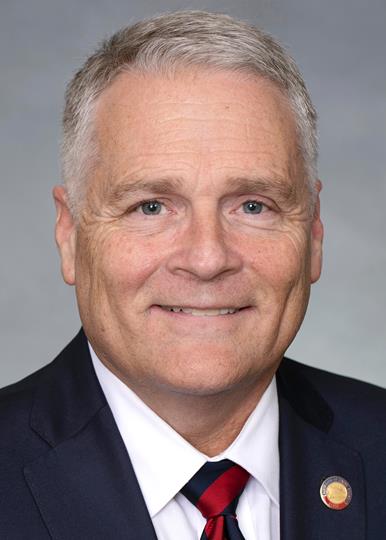
HB 693 establishes the "Interstate Massage Compact" to create a multistate licensing pathway for massage therapists across participating states. It directly affects licensed massage therapists seeking to practice in multiple states and the public receiving those services. Key mechanisms include creating an Interstate Commission to administer the compact, enabling therapists to hold a single "multistate license" valid in all member states, requiring background checks and continuing competence, and allowing states to share disciplinary information and hold licensees accountable. The compact aims to improve public access to safe massage therapy while reducing regulatory burdens for therapists, particularly aiding military members and their spouses relocating between states.
HB 690, "The Citizens Support Act," directs several state and local agencies to ensure that state-funded benefits are provided only to U.S. citizens and noncitizens legally authorized to reside in the United States. The Department of Health and Human Services, Department of Commerce, Housing Finance Agency, and local housing authorities must develop plans to review eligibility criteria and verify the immigration status of applicants for various benefits, including housing, welfare, and medical assistance. State-funded institutions of higher education are required to adopt policies to verify applicants' legal residency for tuition and educational benefits. Additionally, the Division of Employment Security must implement a policy to verify legal residency for unemployment benefit applicants. These agencies are also mandated to report on their implementation progress and any federal laws that prevent them from denying benefits.
This bill, HB 519, revises laws regarding when minors can consent to medical treatment and parental access to their children's medical records. It restricts the medical services a minor can consent to on their own to primarily pregnancy-related care, removing their ability to consent for venereal diseases, substance abuse, or emotional disturbance treatment. The bill also requires written parental consent for minors to receive vaccines authorized for emergency use but not yet fully FDA approved. Additionally, it grants parents the right to access all their minor child's medical records, including those for care the minor could consent to, with exceptions for suspected abuse or neglect, court orders, or active law enforcement investigations.
House Bill 618, the "Ivermectin Access Act," directs the State Health Director to issue a statewide standing order that allows licensed pharmacists to dispense ivermectin for human use. Under this order, pharmacists would be authorized to provide ivermectin without requiring a written prescription or consultation from a healthcare professional. The bill also grants immunity from civil or criminal liability to the State Health Director for issuing the order and to any pharmacist who dispenses ivermectin in accordance with it. The State Health Director is required to issue this statewide standing order by October 1, 2025.
HB 567, titled "Ensure Access to Biomarker Testing," mandates that North Carolina health benefit plans provide coverage for biomarker testing for the diagnosis, treatment, and monitoring of various diseases or conditions. This coverage is required when the testing is supported by medical and scientific evidence, such as FDA approval or nationally recognized clinical guidelines. The bill also prohibits insurers from denying coverage, raising premiums, or charging higher rates based on an individual's biomarker information. Additionally, it establishes a 24-hour timeline for insurers to complete utilization reviews for urgent healthcare services, aiming to improve access to diagnostic testing and care for North Carolinians.