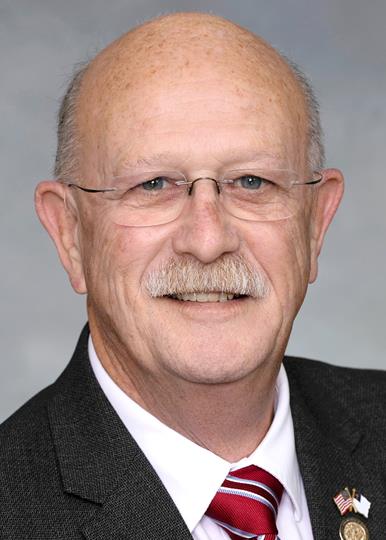
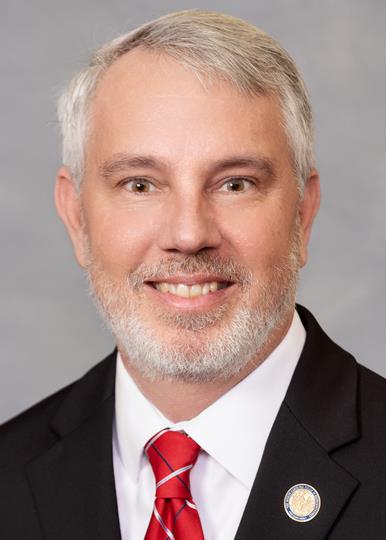
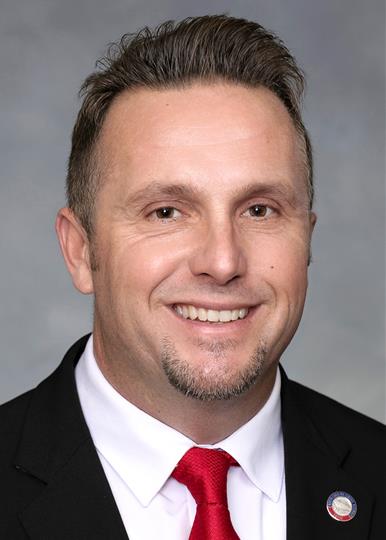
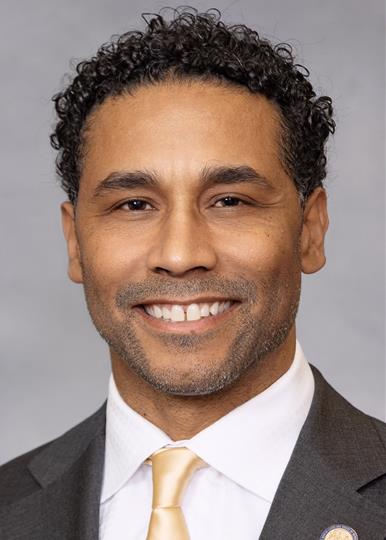
Key legislators
Who's moving criminal justice in North Carolina
Showing 11–13 of 13
bills
All criminal justice bills
HB 95 increases penalties for threats against certain elected and public officials in North Carolina, making such threats a Class I felony. It directly affects individuals who make threats against legislative, executive, court, local elected, or election officials, requiring a $50,000 secured appearance bond for anyone charged with these offenses. The bill amends existing statutes to clarify that threats need not be received or believed by the targeted official, and it specifically covers threats made in retaliation for an official's duties. The law applies to offenses committed on or after December 1, 2025.
HB 182 creates two key policy changes: First, it allows judges to issue lifetime no-contact orders against defendants convicted of certain violent offenses (including sex offenses requiring registration), requiring a show-cause hearing to determine if the victim fears future contact. Second, it clarifies that caregivers of children under 16 who commit or allow sexual acts with the child face Class D felony charges, specifically expanding penalties for permitting such abuse. The law directly affects victims of violent crimes (through the no-contact protections) and caregivers of children under 16 (through updated felony charges for sexual abuse). These provisions apply to offenses committed on or after December 1, 2025.
HB 52, the "Protect Those Who Serve and Protect Act of 2025," increases penalties for assaults against public safety personnel and their animals. It creates a new Class I felony offense for throwing, spraying, or projecting substances (like water) at public safety officers or law enforcement/search and rescue animals while they are on duty or due to their role. The bill also prohibits intentionally pointing laser devices at these protected individuals or animals during duty. These changes update existing assault laws to explicitly cover a wider range of emergency workers (including firefighters, medical staff, National Guard members, and school employees) and add specific protections for animals used in public safety.