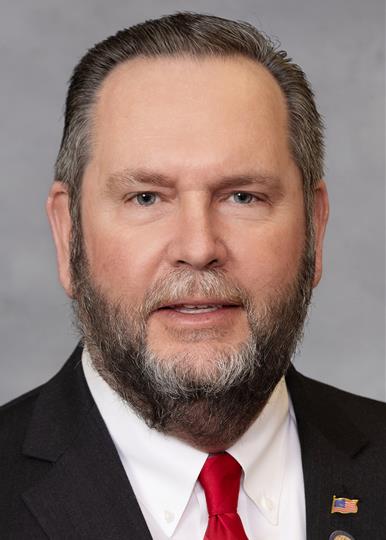
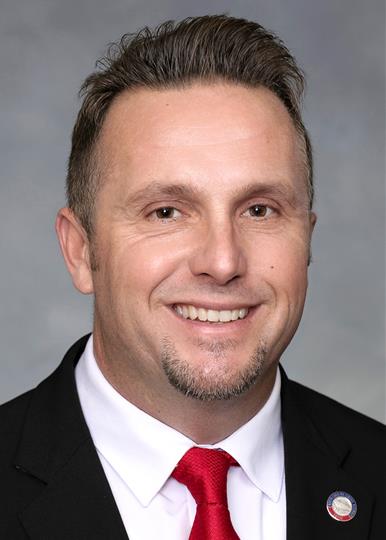
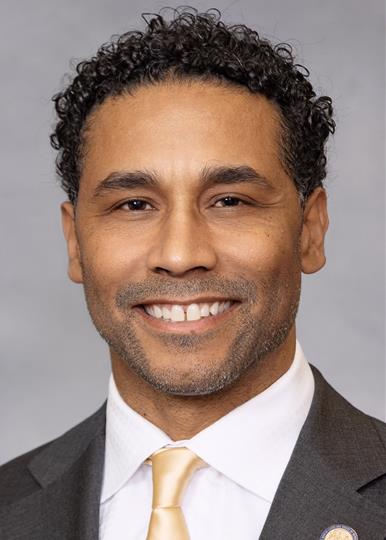
Key legislators
Who's moving criminal justice in North Carolina
Showing 11–14 of 14
bills
All criminal justice bills
HB 789 creates a new mitigating factor for individuals charged with impaired driving offenses in North Carolina. This factor applies if the defendant voluntarily equips their vehicle with an approved ignition interlock system within 45 days of being charged and uses it for at least six months prior to trial, without violations. The bill aims to incentivize early intervention and responsible behavior by offering a potential reduction in sentencing for eligible defendants who meet specific criteria. It also allows individuals who voluntarily install the system and meet certain requirements to apply for a waiver of a portion of the costs if they cannot afford it.
HB 261 establishes new sentence enhancements for individuals convicted of certain crimes. It increases the severity of a felony sentence (excluding Class A) if the person was unlawfully in the United States and had prior immigration issues, raising the felony by one or two classes. The bill also enhances sentences for felonies (excluding Class A) and misdemeanors committed while conspiring with others to benefit or promote criminal activity. For these offenses, the sentence is increased by one class, or a Class A1 misdemeanor becomes a Class I felony. These enhancements apply if the specific conditions are proven beyond a reasonable doubt during trial.
HB 575, known as "The Hunter Robinson Act," revises North Carolina's laws governing post-release supervision for criminal offenders. The bill modifies how the "maximum imposed term" is calculated for prisoners serving consecutive sentences by adjusting the months deducted based on felony class. It also changes when prisoners become eligible for post-release supervision and extends the required length of the supervision period for most felony categories. These changes generally result in longer post-release supervision terms for affected offenders. The act applies to offenses committed on or after December 1, 2025.
House Bill 771 modifies criminal law procedures by expanding the ability to preserve witness testimony through depositions. It authorizes the State to take depositions from material witnesses in criminal cases under specific conditions, such as when a witness is in danger, elderly, or unlikely to be available for trial. Defendants already have the right to depose witnesses who are infirm, incapacitated, or non-residents. The bill outlines procedures for these depositions, ensuring defendants receive notice, have the right to be present, and can have legal counsel.