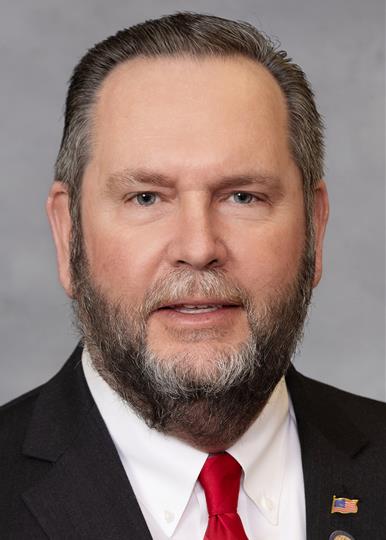
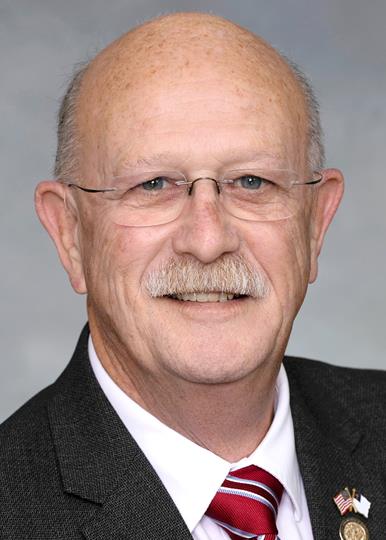
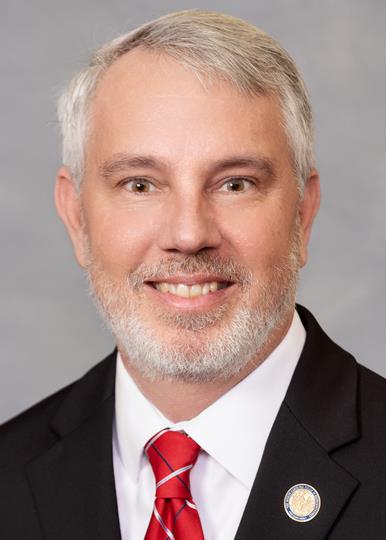
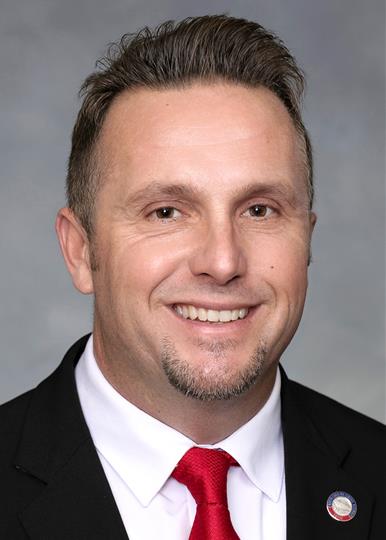
This bill revises North Carolina's burglary and breaking-and-entering laws to increase penalties when a firearm or deadly weapon is used. It raises the felony classification by one level for offenses like burglary (first/second degree), breaking out of a dwelling at night, or entering a building with intent to commit a felony or terrorize occupants, if a weapon was present during the crime. The law directly affects individuals convicted of these specific offenses when a firearm was involved, not the general public. It does not change sentencing for weapon-free offenses or address police pay, despite the title "Back the Blue Pay Act" suggesting otherwise. The changes take effect December 1, 2025.
HB 318 requires North Carolina county jails and detention facilities to check the immigration status of individuals charged with specific offenses (including certain felonies, misdemeanors, and impaired driving) and to notify U.S. Immigration and Customs Enforcement (ICE) if a detainer is issued. If ICE issues a detainer, facilities must hold the person for up to 48 hours (or until ICE takes custody) and notify ICE 2 hours before the person would otherwise be released. For pretrial defendants facing similar charges, the bill mandates a two-hour hold to allow ICE to issue a detainer; if none is received, the defendant must be released. The law also shields state officials from liability when following these procedures.
HB 261 establishes new sentence enhancements for individuals convicted of certain crimes. It increases the severity of a felony sentence (excluding Class A) if the person was unlawfully in the United States and had prior immigration issues, raising the felony by one or two classes. The bill also enhances sentences for felonies (excluding Class A) and misdemeanors committed while conspiring with others to benefit or promote criminal activity. For these offenses, the sentence is increased by one class, or a Class A1 misdemeanor becomes a Class I felony. These enhancements apply if the specific conditions are proven beyond a reasonable doubt during trial.
HB 575, known as "The Hunter Robinson Act," revises North Carolina's laws governing post-release supervision for criminal offenders. The bill modifies how the "maximum imposed term" is calculated for prisoners serving consecutive sentences by adjusting the months deducted based on felony class. It also changes when prisoners become eligible for post-release supervision and extends the required length of the supervision period for most felony categories. These changes generally result in longer post-release supervision terms for affected offenders. The act applies to offenses committed on or after December 1, 2025.
HB 246, also known as "Liam's Law," increases penalties for specific driving offenses. The bill elevates reckless driving that causes serious bodily injury to a Class I felony. For street racing, it establishes new felony classifications for causing serious injury (Class F felony) or death (Class B2 felony), and mandates longer driver's license revocations, including permanent revocation for fatalities. Additionally, the bill increases the penalty for hit-and-run offenses that result in death to a Class D felony. These provisions directly affect drivers involved in such incidents.
HB 330 updates North Carolina's Controlled Substances Act by adding specific synthetic drugs and chemical structures to Schedule I, making them illegal without exception. It directly affects law enforcement, healthcare providers, and individuals using these substances, as it automatically controls new variants of fentanyl derivatives (like 4-fluorofentanyl), nitazenes, synthetic cannabinoids (including indole carboxamides), and other novel psychoactive substances based on their chemical structure - not just named compounds. Key mechanisms include defining "structurally derived" compounds (e.g., fentanyl modifications) and listing specific examples to close loopholes where manufacturers alter molecules slightly to evade existing laws. This policy change aims to address emerging drug threats by expanding the legal definition of controlled substances.
HB 95 increases penalties for threats against certain elected and public officials in North Carolina, making such threats a Class I felony. It directly affects individuals who make threats against legislative, executive, court, local elected, or election officials, requiring a $50,000 secured appearance bond for anyone charged with these offenses. The bill amends existing statutes to clarify that threats need not be received or believed by the targeted official, and it specifically covers threats made in retaliation for an official's duties. The law applies to offenses committed on or after December 1, 2025.
HB 28, the "Gun Violence Prevention Act," creates a new criminal offense for individuals convicted of a felony who possess a firearm or "weapon of mass death and destruction" (as defined in state law) during the commission or attempt of another felony. It imposes stricter penalties: a Class C felony if the weapon is discharged, Class D for brandishing (displaying the weapon), and Class F for other violations. This law applies specifically to convicted felons who already face restrictions on firearm possession, treating this additional offense as separate from the underlying felony. The bill takes effect December 1, 2025, for offenses committed on or after that date.
HB 182 creates two key policy changes: First, it allows judges to issue lifetime no-contact orders against defendants convicted of certain violent offenses (including sex offenses requiring registration), requiring a show-cause hearing to determine if the victim fears future contact. Second, it clarifies that caregivers of children under 16 who commit or allow sexual acts with the child face Class D felony charges, specifically expanding penalties for permitting such abuse. The law directly affects victims of violent crimes (through the no-contact protections) and caregivers of children under 16 (through updated felony charges for sexual abuse). These provisions apply to offenses committed on or after December 1, 2025.