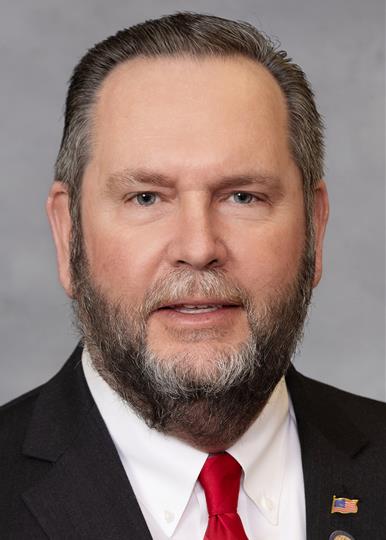
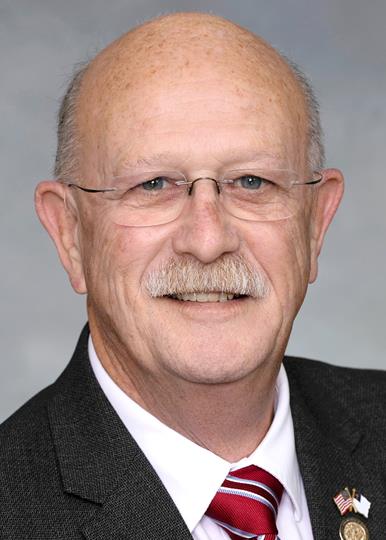
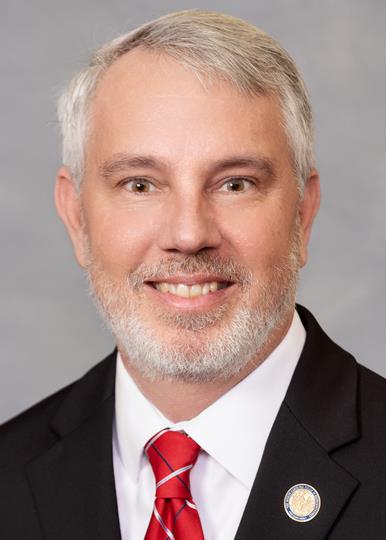
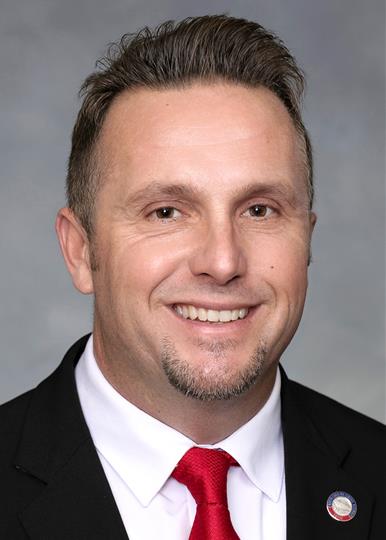
HB 483 proposes several changes to juvenile justice procedures. The bill extends the maximum terms of probation and post-release supervision for youth adjudicated of certain violent offenses (Class A, B1, or B2 felonies) to up to three years. It clarifies a victim's right to be notified and heard regarding the termination of a juvenile's probation or post-release supervision. Additionally, the bill modifies criteria for secure custody, allowing a superior court judge to issue such an order after a case is moved to juvenile court and authorizing it for juveniles who violate domestic violence protective orders.
This bill modifies North Carolina's civil commitment hearing procedures by giving judges discretion to dismiss criminal charges when a defendant lacks the capacity to proceed. Currently, judges are required to dismiss charges under certain conditions, but this change would allow them to decide whether dismissal is appropriate in each case. The law applies to offenses committed on or after the bill becomes effective. It affects criminal defendants who have mental health or cognitive issues that prevent them from participating in their own defense.
HB 261 establishes new sentence enhancements for individuals convicted of certain crimes. It increases the severity of a felony sentence (excluding Class A) if the person was unlawfully in the United States and had prior immigration issues, raising the felony by one or two classes. The bill also enhances sentences for felonies (excluding Class A) and misdemeanors committed while conspiring with others to benefit or promote criminal activity. For these offenses, the sentence is increased by one class, or a Class A1 misdemeanor becomes a Class I felony. These enhancements apply if the specific conditions are proven beyond a reasonable doubt during trial.
HB 575, known as "The Hunter Robinson Act," revises North Carolina's laws governing post-release supervision for criminal offenders. The bill modifies how the "maximum imposed term" is calculated for prisoners serving consecutive sentences by adjusting the months deducted based on felony class. It also changes when prisoners become eligible for post-release supervision and extends the required length of the supervision period for most felony categories. These changes generally result in longer post-release supervision terms for affected offenders. The act applies to offenses committed on or after December 1, 2025.
HB 95 increases penalties for threats against certain elected and public officials in North Carolina, making such threats a Class I felony. It directly affects individuals who make threats against legislative, executive, court, local elected, or election officials, requiring a $50,000 secured appearance bond for anyone charged with these offenses. The bill amends existing statutes to clarify that threats need not be received or believed by the targeted official, and it specifically covers threats made in retaliation for an official's duties. The law applies to offenses committed on or after December 1, 2025.
HB 28, the "Gun Violence Prevention Act," creates a new criminal offense for individuals convicted of a felony who possess a firearm or "weapon of mass death and destruction" (as defined in state law) during the commission or attempt of another felony. It imposes stricter penalties: a Class C felony if the weapon is discharged, Class D for brandishing (displaying the weapon), and Class F for other violations. This law applies specifically to convicted felons who already face restrictions on firearm possession, treating this additional offense as separate from the underlying felony. The bill takes effect December 1, 2025, for offenses committed on or after that date.
HB 21 creates a voluntary designation on North Carolina driver's licenses for individuals with autism spectrum disorder (ASD), as defined by state law. People with a medical diagnosis of ASD can request this designation by providing acceptable documentation, such as a healthcare professional's certification, to the Division of Motor Vehicles. The designation appears only in the license record and is accessible solely to law enforcement during interactions to promote safety - no other use is permitted. Individuals may add or remove the designation at any time without affecting their license eligibility or rights.