Issue · Budget & Taxes

Budget & Taxes

Every budget & taxes bill, vote, and legislator stance in North Carolina, automatically classified by Maddy, our AI policy reader.

Total bills
687
2025-2026 Session
Top supporter
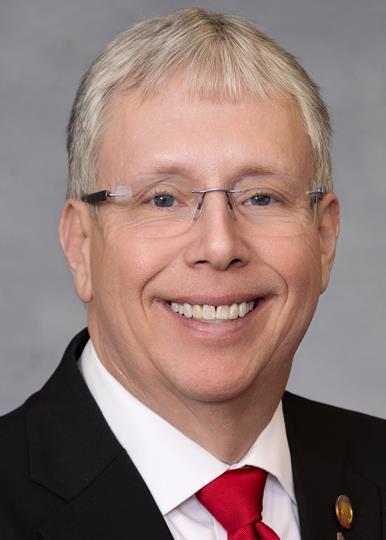
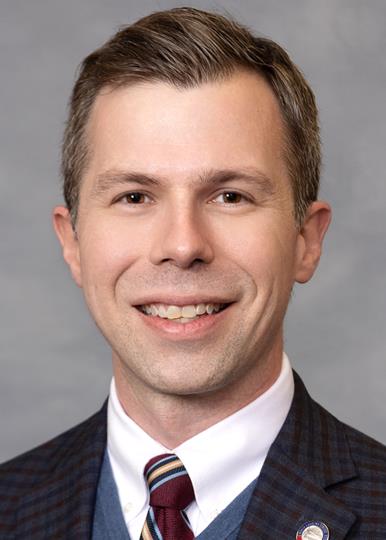
Mitchell Setzer
100% support rate
Top opponent
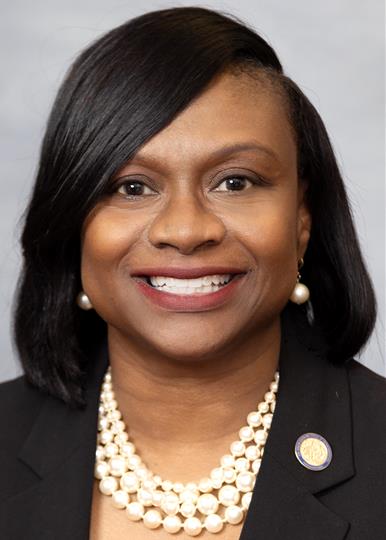
Amanda Cook
0% support rate
Ranked legislators
10
5 support · 5 oppose
Key legislators

Who's moving budget & taxes in North Carolina

Legislators moving budget & taxes in North Carolina
Legislator Party Stance Support rate Votes
Mitchell Setzer
Mitchell Setzer House · District 89
R
Strong +
100% 52
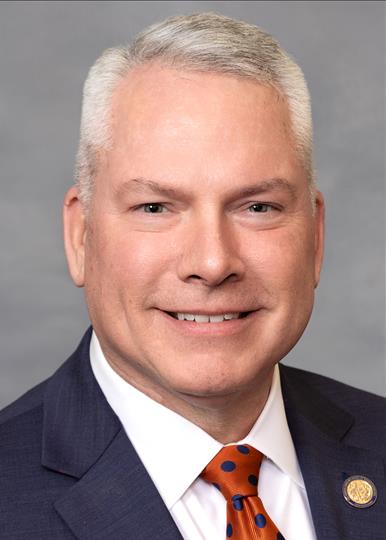
Grant Campbell
Grant Campbell House · District 83
R
Strong +
100% 50
Anna Ferguson
Anna Ferguson House · District 119
R
Strong +
100% 20
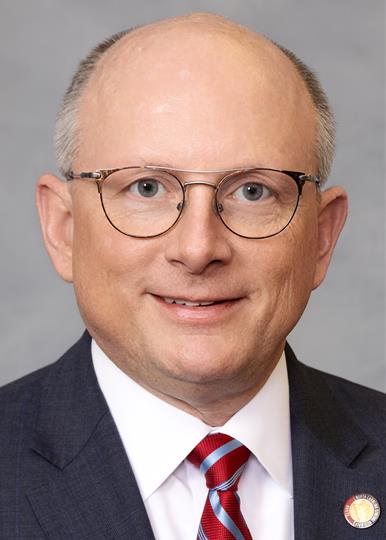
Tim Reeder
Tim Reeder House · District 9
R
Strong +
100% 51
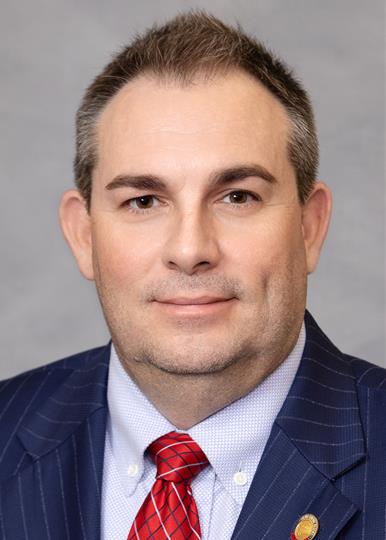
John Bell
John Bell House · District 10
R
Strong +
100% 50
Amanda Cook
Amanda Cook House · District 60
D
Strong −
0% 20
Monika Johnson-Hostler
Monika Johnson-Hostler House · District 33
D
Strong −
8% 52
Marcia Morey
Marcia Morey House · District 30
D
Strong −
8% 52
Phil Rubin
Phil Rubin House · District 40
D
Strong −
8% 51
Deb Butler
Deb Butler House · District 18
D
Strong −
8% 50
Showing 71–80 of 687 bills

All budget & taxes bills

in committee · North Carolina · House Apr 29, 2026

HB 1065: Prepared Foods Sales Tax Modification.

This bill modifies North Carolina's sales tax rules to exempt most prepared foods from taxation starting October 1, 2026. It defines "prepared food" as items sold hot or mixed together by a retailer, while explicitly excluding raw ingredients, simple sliced foods, and products from large-scale food manufacturers. The change would remove the sales tax burden for many ready-to-eat meals and combinations sold in stores, but it preserves the tax on specific items like bakery goods from small artisan bakeries, soft drinks, and candy.
Sub-Topics Sales Tax
in committee · North Carolina · Senate Apr 22, 2026

SB 798: Elderly Prop. Tax Appreciation Exclusion.

SB 798 creates a new property tax relief program for North Carolina residents who are at least 65 years old and have lived in their home for at least five years. The bill allows these qualifying owners to defer paying the portion of their property tax bill that results from increases in the home's appraised value, using the home's value from the first year of the program as a baseline. This deferral acts as a lien on the property, meaning the unpaid taxes accumulate and become due only if the owner sells the home, dies, or stops living there permanently. The legislation also clarifies that married couples can share the benefit even if only one spouse meets the age and residency requirements, while prohibiting lenders from stopping owners from using this tax relief. The changes are scheduled to take effect for tax years beginning on or after July 1, 2027.
Sub-Topics Property Tax Property Taxes Tags Seniors
died · North Carolina · Senate Apr 29, 2026

SB 891: Small Business Investment Grant.

This North Carolina bill establishes a $250 million grant program to help small businesses recover from financial losses caused by the COVID-19 pandemic. To qualify, businesses must have had annual receipts of $8 million or less in 2019 and experienced at least a 25% drop in sales tax collections in 2020 compared to the previous year. Eligible recipients can receive a one-time payment of up to $250,000, which is capped at the amount of their verified sales tax reduction. The law requires businesses to remain open for at least six months after receiving the funds, with any unspent portion subject to repayment if operations cease prematurely.
Sub-Topics Business Taxes Sales Tax Tags Small Business
in committee · North Carolina · House Apr 29, 2026

HB 1072: Affordable Housing Infrastructure Development.

This bill creates a new loan program in North Carolina to help nonprofit organizations prepare land for affordable housing by offering below-market interest rate loans. The funds, totaling $50 million for the 2026-2027 fiscal year, can only be used for site-related expenses like land acquisition, utility installation, and environmental testing, but not for building the actual homes. To qualify, borrowers must be experienced nonprofits that provide zero-interest mortgages to buyers and ensure at least 40% of units in mixed-income projects are reserved for low- and moderate-income families. The program is designed to support the development of housing for households earning up to 80% of the local area median income.
in committee · North Carolina · House May 4, 2026

HB 1162: Standing Up For Wilson County Volunteer Fire Departments.

This bill appropriates $15 million to Wilson County to support its volunteer fire departments with equipment upgrades. The funds are specifically designated for improving emergency lighting on fire trucks to enhance visibility when vehicles are stationary and covering costs for maintaining or replacing fire equipment and vehicle parts. The legislation becomes effective on July 1, 2026, and directs the Office of State Budget and Management to provide these nonrecurring funds to the county.
Sub-Topics State Budget
died · North Carolina · Senate Apr 30, 2026

SB 928: Funds for Goodwill Industries.

This North Carolina bill proposes to allocate $200,000 from the state's General Fund to Goodwill Industries, Inc. The money is designated as a one-time grant for the 2026-2027 fiscal year specifically to support workforce development and job training programs in Forsyth County. The funds would be managed by the Office of State Budget and Management before being directed to the organization. The legislation is set to take effect on July 1, 2026.
died · North Carolina · Senate Apr 23, 2026

SB 819: Authorize First Broad River State Trail.

This bill authorizes the North Carolina Department of Natural and Cultural Resources to create the First Broad River State Trail in Cleveland and Rutherford Counties. The trail would connect the river's headwaters in Golden Valley to its confluence with the Broad River, linking communities like Shelby and Zion while aiming to increase public access points. The legislation allows the state to use existing funds from various conservation sources to acquire land and develop the trail, rather than requiring new budget appropriations. Additionally, the bill allocates $25,000 in 2026-2027 for planning and public education efforts related to the project.
died · North Carolina · Senate May 18, 2026

SB 1010: FUTURE NC Infrastructure Act.

This bill establishes the North Carolina Infrastructure Investment Commission to create a long-term, 20-year strategy for improving the state's critical systems like roads, water, and energy. The new commission will consist of ten appointed members led by the State Treasurer, who will develop a comprehensive investment plan focusing on maintenance, modernization, and resilience against severe weather. Once the plan is submitted to various legislative committees and the governor by March 2028, the commission will dissolve, and any funding decisions must still be approved by the General Assembly. The legislation also allocates $300,000 to cover the administrative costs of running the commission starting in fiscal year 2026-2027.
died · North Carolina · Senate Apr 30, 2026

SB 918: Winston-Salem/Forsyth Joint EOC Funds.

This bill allocates one million dollars from the state's General Fund to Forsyth County to help the county and the City of Winston-Salem build a shared emergency operations center. The funding is designated as a nonrecurring grant for the 2026-2027 fiscal year and is intended to improve coordination between the city and county during emergencies. The legislation becomes effective on July 1, 2026, and currently awaits further committee review in the Senate.
Sub-Topics State Budget
in committee · North Carolina · House May 4, 2026

HB 1164: Insufficient Funds for Taxes Penalty Modification.

This bill modifies the penalty charged to taxpayers in North Carolina when their checks or electronic payments for taxes bounce due to insufficient funds. Instead of the current rule that imposes the greater of a flat $25 fee or 10% of the payment amount, the new law sets a tiered penalty structure based on how often a person bounces payments within a five-year period. For the first two violations, the fee will be $25 plus 1% of the payment amount, while any subsequent violation will incur a $50 fee plus 2% of the payment amount, with a maximum penalty cap of $1,000. The legislation also includes an exemption for taxpayers who had sufficient money in their accounts but accidentally failed to initiate the transaction, and it provides funding to help educate the public and tax collectors about these changes.
Showing 71 to 80 of 687 bills
Previous 1 7 8 9 69 Next