







Issue · Budget & Taxes

Budget & Taxes

Every budget & taxes bill, vote, and legislator stance in North Carolina, automatically classified by Maddy, our AI policy reader.

Total bills
2
2025-2026 Session
Top supporter
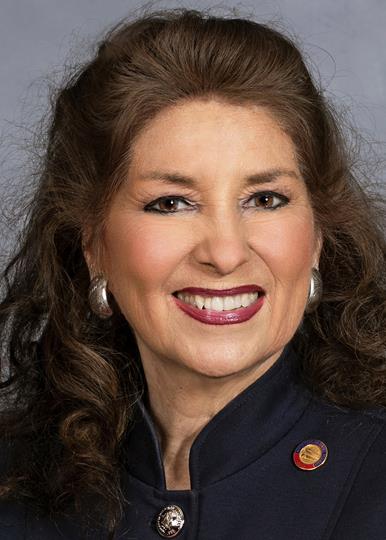
Donna White
100% support rate
Top opponent
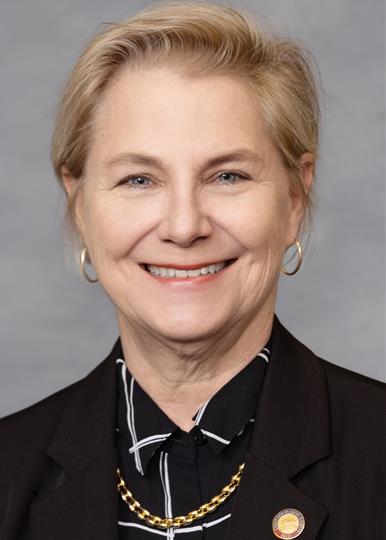
Amanda Cook
0% support rate
Ranked legislators
10
5 support · 5 oppose
Key legislators

Who's moving budget & taxes in North Carolina

Legislators moving budget & taxes in North Carolina
Legislator Party Stance Support rate Decisive votes
Donna White
Donna White House · District 26
R
Strong +
100% 13
Ed Goodwin
Ed Goodwin House · District 1
R
Strong +
100% 13
Howard Penny
Howard Penny House · District 53
R
Strong +
100% 13
Julia Howard
Julia Howard House · District 77
R
Strong +
100% 13
Mitchell Setzer
Mitchell Setzer House · District 89
R
Strong +
100% 13
Amanda Cook
Amanda Cook House · District 60
D
Strong −
0% 8
Deb Butler
Deb Butler House · District 18
D
Strong −
8% 13
Jordan Lopez
Jordan Lopez House · District 112
D
Strong −
8% 13
Marcia Morey
Marcia Morey House · District 30
D
Strong −
8% 13
Maria Cervania
Maria Cervania House · District 41
D
Strong −
8% 13
Showing 2 of 2 bills

All budget & taxes bills

passed · North Carolina · House Jul 1, 2026

HB 1200: Tax-Free Family Essentials Act.

HB 1200, known as the Tax-Free Family Essentials Act, removes the state sales tax on specific items including diapers, baby wipes, over-the-counter children's medication, prenatal vitamins, and feminine hygiene products. The bill directly affects families purchasing these goods by exempting them from the tax, while also clarifying the legal definitions of these items to ensure consistent application. These tax exemptions will take effect on October 1, 2026, and apply to all sales occurring on or after that date.
signed · North Carolina · Senate May 21, 2026

SB 1080: Lower Taxes for All NC.

SB 1080 proposes a constitutional amendment to cap North Carolina's state income tax rate at a maximum of 3.5%. If approved by voters in the November 2026 election, this change would prevent the legislature from raising the income tax rate higher than that threshold in the future. The bill applies to taxable years beginning on or after January 1, 2027, and requires a majority vote in favor to become law.