Issue · Technology

Technology (Consumer Data Protection)

Every technology bill, vote, and legislator stance in New York, automatically classified by Maddy, our AI policy reader.

Total bills
148
2025 Regular Session
Top supporter
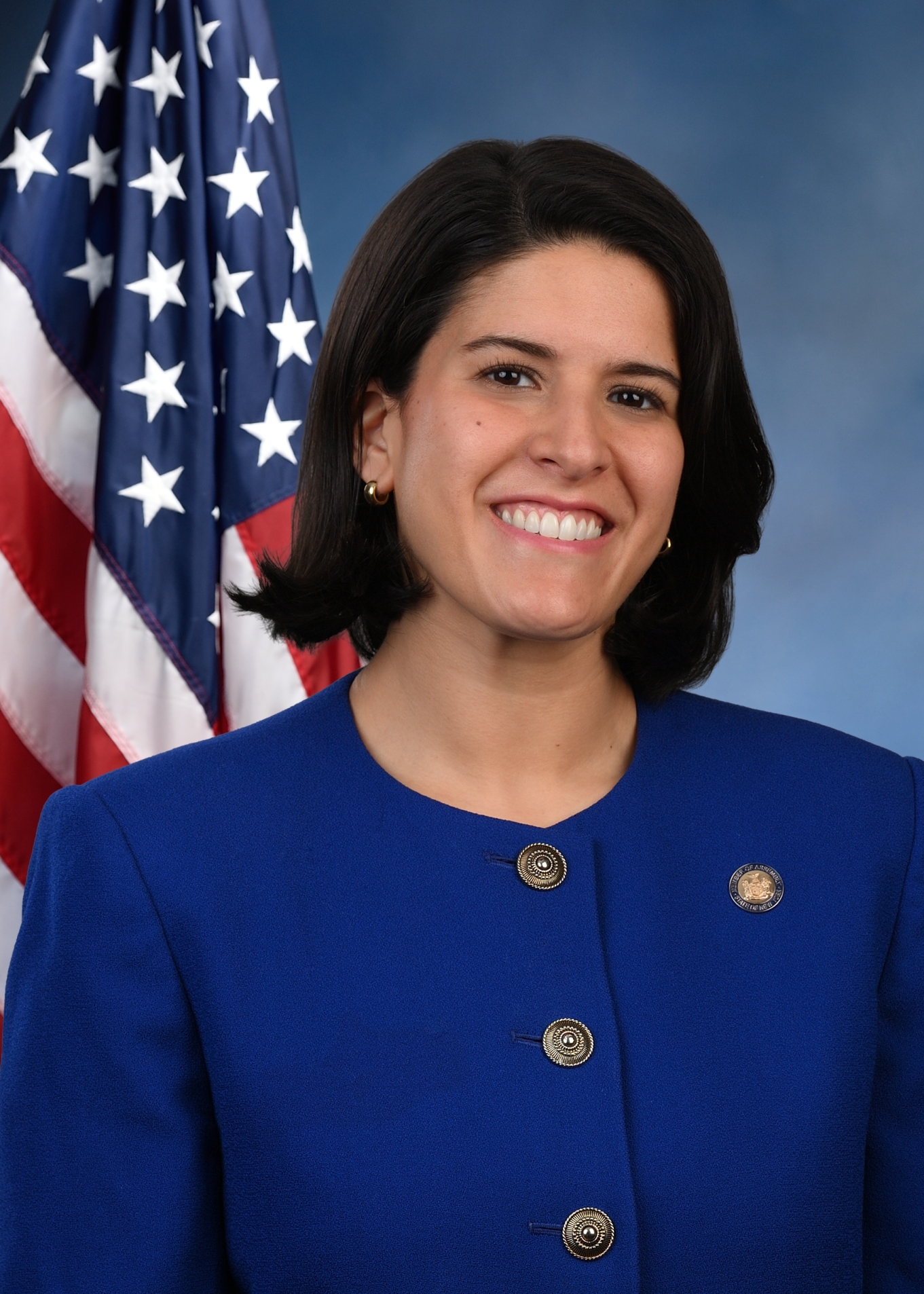
Sam Sutton
88% support rate
Top opponent
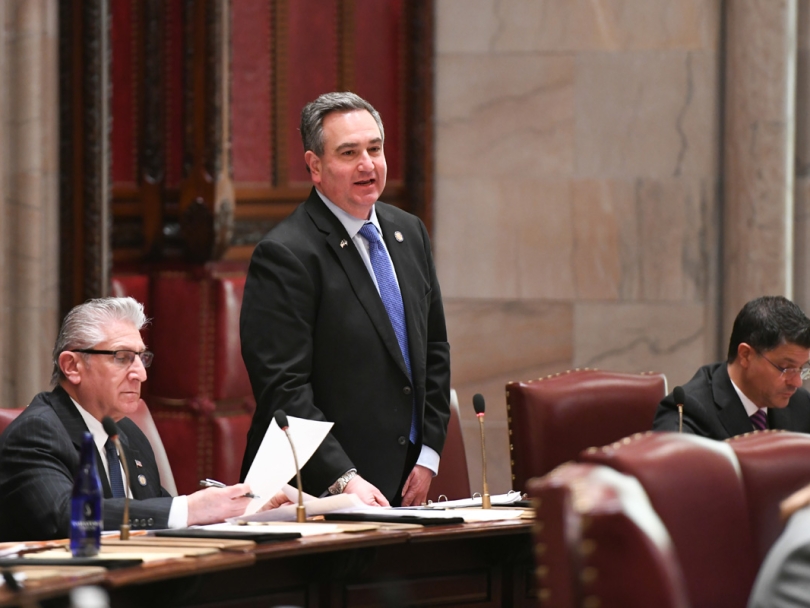
Mario Mattera
18% support rate
Ranked legislators
10
5 support · 5 oppose
Key legislators

Who's moving consumer data protection in New York

Legislators moving consumer data protection in New York
Legislator Party Stance Support rate Votes
Sam Sutton
Sam Sutton Senate · District 22
D
Strong +
88% 8
Pat Fahy
Pat Fahy Senate · District 46
D
Strong +
80% 15
Jessica Ramos
Jessica Ramos Senate · District 13
D
Support
79% 14
Chris Ryan
Chris Ryan Senate · District 50
D
Support
77% 22
Rachel May
Rachel May Senate · District 48
D
Support
77% 22
Mario Mattera
Mario Mattera Senate · District 2
R
Strong −
18% 17
George Borrello
George Borrello Senate · District 57
R
Oppose
27% 15
Jake Ashby
Jake Ashby Senate · District 43
R
Oppose
27% 15
Tom O'Mara
Tom O'Mara Senate · District 58
R
Oppose
29% 17
Peter Oberacker
Peter Oberacker Senate · District 51
R
Oppose
31% 13
Showing 51–60 of 148 bills

All technology bills

in committee · New York · Assembly Jan 7, 2026

A 6211: Prohibits the use of biometric surveillance system or biometric surveillance information in places of public accommodation

Prohibits the use of biometric surveillance system or biometric surveillance information in places of public accommodation; prohibits entering into any agreement that authorizes any third party to use any biometric surveillance system or biometric surveillance information; provides penalties for violations.
in committee · New York · Senate Jan 7, 2026

S 4106: Requires credit reporting agencies to furnish proof of identity theft to creditors upon debtor's request

This bill requires credit reporting agencies to provide creditors with proof of identity theft upon a debtor's request. It directly affects debtors who claim they were victims of identity theft related to a specific debt. To qualify, debtors must submit a police report for that debt and a written statement (either an FTC affidavit or a certified declaration) including ID copies, details of the theft, and evidence like utility bills showing they lived elsewhere when the debt arose. The credit agency must keep this information on file for seven years.
in committee · New York · Assembly Jan 7, 2026

A 6383: Enables students to receive information from colleges and universities without disclosing their personally identifiable information

Enables students to receive information from colleges and universities without disclosing their personally identifiable information via an opt-in system.
in committee · New York · Senate Jan 7, 2026

S 4111: Relates to creating the cell phone users' bill of rights

Creates the cell phone users' bill of rights; provides that customers be given a thirty-day trial period; provides that a customer shall not be liable for calls or messages that were not made from the customer's phone; provides that a company shall be liable to the customer for violating these provisions.
in committee · New York · Assembly Jan 28, 2025

A 913: Relates to when and how notification of a data breach is to be provided to the department of financial services

This bill (A 913) amends New York's data breach notification law to clarify when and how certain businesses must notify the Department of Financial Services (DFS) about breaches affecting New York residents. It requires covered entities (financial institutions regulated under 23 NYCRR 500.1) to provide DFS with details about breach notifications to consumers - such as timing, content, and the number of affected people - along with a copy of the consumer notice. This notification to DFS must be provided without delaying the business's direct notification to affected residents. The bill specifically applies only to financial entities under DFS oversight, not all businesses handling data breaches.
passed · New York · Senate May 12, 2026

S 4391: Requires mobile applications on cell phones, smart phones, and tablets that offer a subscription service provide an option to cancel the subscription on its application

Requires mobile applications on cell phones, smart phones and tablets that offer a subscription service provide an option to cancel the subscription on its application and have the option posted in a clear and conspicuous format.
in committee · New York · Assembly Jan 7, 2026

A 7559: Relates to the protection of consumer genetic data in financial distress

Enacts the "genetic privacy and protection act" to require the mandatory deletion of genetic data upon financial distress or bankruptcy; prohibits the sale, transfer, or continued use of genetic data without explicit and renewed consent from the original consumer; provides for attorney general enforcement.
passed both · New York · Assembly Jun 4, 2026

A 5175: Requires certain security features and warning labels on baby monitors

Prohibits the manufacture, distribution, sale, or offering for sale of a baby monitor that broadcasts audio or video through an internet connection unless it includes certain security features to prevent unauthorized access; requires a written warning label; provides penalties.
in committee · New York · Assembly May 6, 2026

A 6999: Relates to the consumer protection division in the department of state

Requires the consumer protection division to establish a process by which any state agency or third party, pursuant to an interagency agreement with the division for the purposes of fraud prevention, identity verification, and ensuring the integrity or security of individual identities, to grant access to verify New York resident identities via a secure comparison process against state systems.
Sub-Topics Consumer Data Protection Tags Consumer Protection
in committee · New York · Assembly May 11, 2026

A 6031: Establishes the biometric identifier privacy act

Establishes the biometric identifier privacy act; requires private entities in possession of biometric identifiers or biometric information to develop a written policy establishing a retention schedule and guidelines for permanently destroying biometric identifiers and biometric information when the initial purpose for collecting or obtaining such identifiers or information has been satisfied or within three years of the individual's last interaction with the private entity, whichever occurs first.
Showing 51 to 60 of 148 bills
Previous 1 5 6 7 15 Next