Issue · Technology

Technology

Every technology bill, vote, and legislator stance in New York, automatically classified by Maddy, our AI policy reader.

Total bills
43
119th Congress
Top supporter
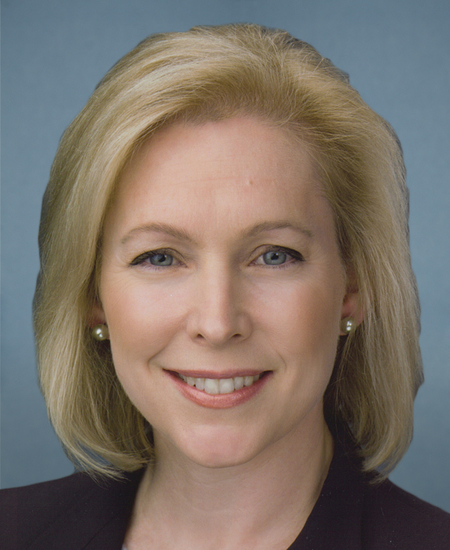
Kirsten E. Gillibrand
82% support rate
Top opponent
Claudia Tenney
32% support rate
Ranked legislators
10
5 support · 5 oppose
Key legislators

Who's moving technology in New York

Legislators moving technology in New York
Legislator Party Stance Support rate Votes
Kirsten E. Gillibrand
Kirsten E. Gillibrand Senate
D
Strong +
82% 229
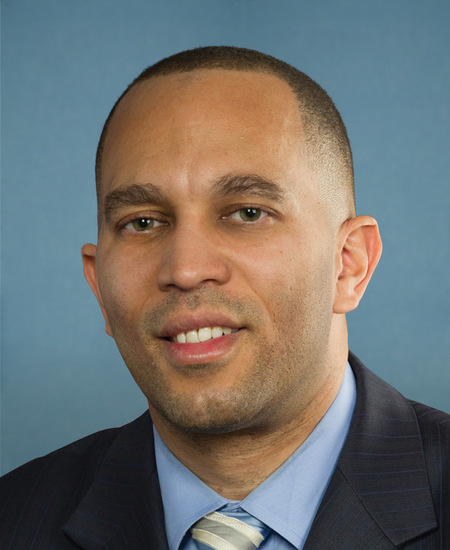
Hakeem S. Jeffries
Hakeem S. Jeffries House · District 8
D
Strong +
82% 262
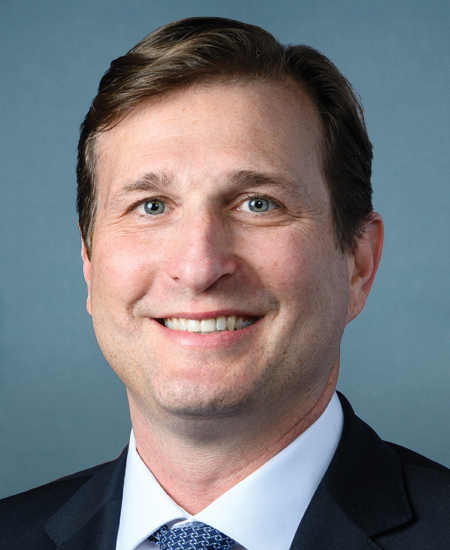
Daniel S. Goldman
Daniel S. Goldman House · District 10
D
Strong +
81% 235
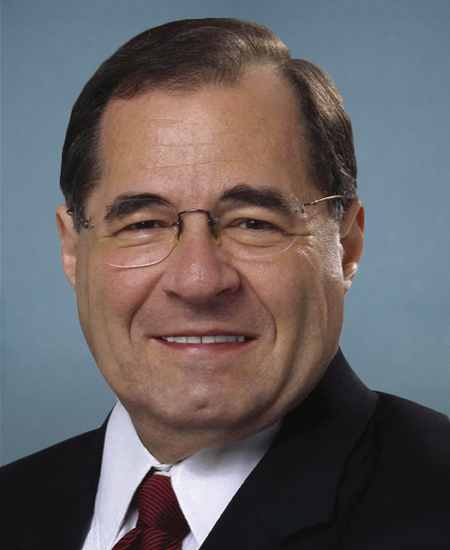
Jerrold Nadler
Jerrold Nadler House · District 12
D
Support
79% 236
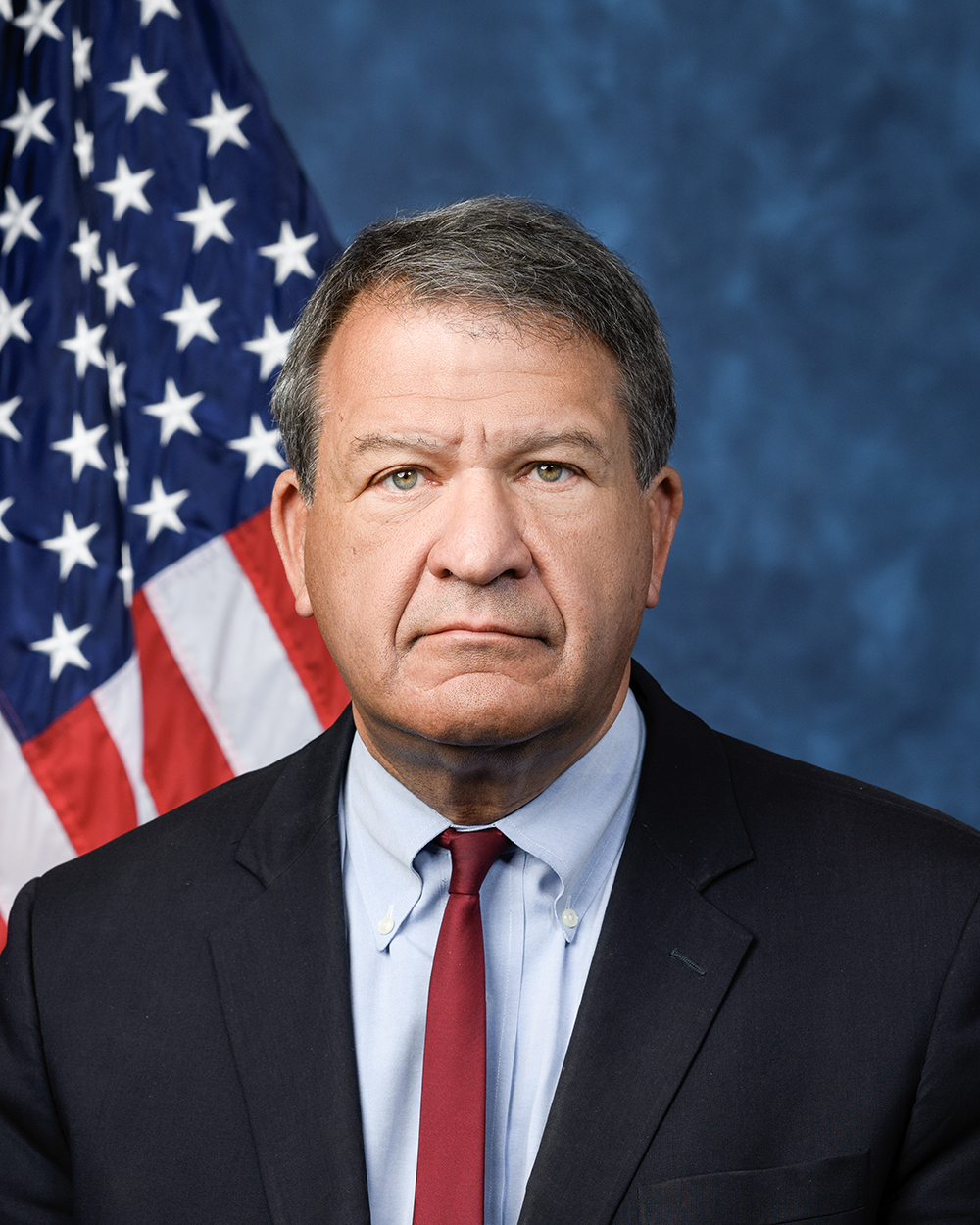
George Latimer
George Latimer House · District 16
D
Support
79% 256
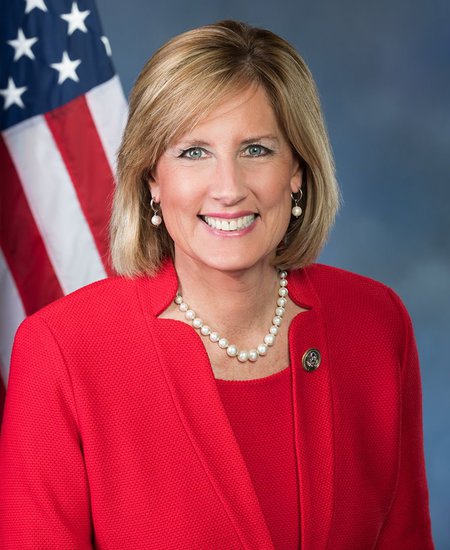
Claudia Tenney
Claudia Tenney House · District 24
R
Oppose
32% 262
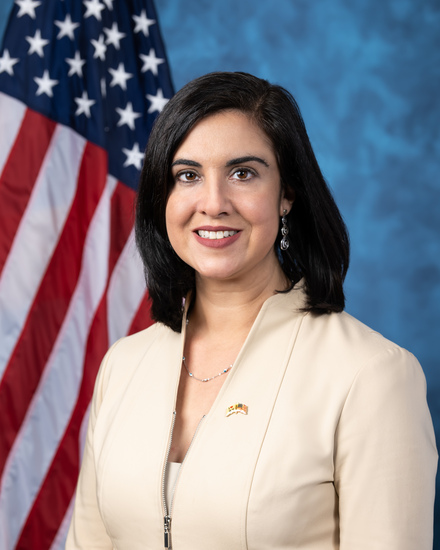
Nicole Malliotakis
Nicole Malliotakis House · District 11
R
Oppose
36% 257
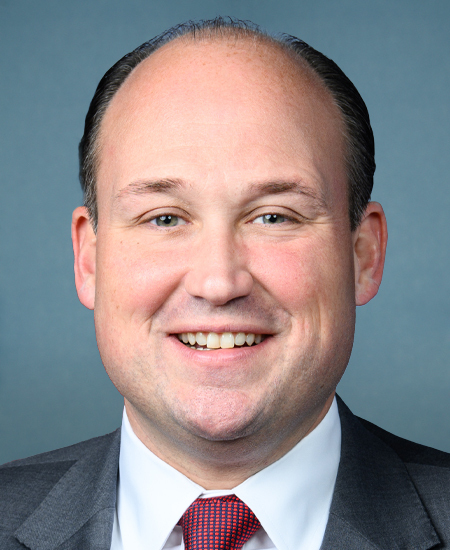
Nicholas A. Langworthy
Nicholas A. Langworthy House · District 23
R
Oppose
36% 260
Andrew R. Garbarino
Andrew R. Garbarino House · District 2
R
Mixed −
41% 259
Elise M. Stefanik
Elise M. Stefanik House · District 21
R
Mixed −
43% 227
Showing 1–10 of 43 bills

All technology bills

in committee · United States · House Jun 29, 2026

HR 9530: Quiet Skies Act

The Quiet Skies Act directs the Secretary of Transportation to create new regulations banning voice calls on cell phones in the United States. This rule must be finalized within 180 days of the law's enactment and will apply to all air travelers. The bill aims to reduce noise on airplanes by prohibiting passengers from making or receiving phone calls while in flight.
Sub-Topics Telecommunications
in committee · United States · House Jul 27, 2026

HR 9948: Addictive Design Act of 2026

The Addictive Design Act of 2026 aims to protect youth under 18 from potential mental health risks associated with artificial intelligence chatbots by banning specific features designed to create emotional attachments. To support this goal, the bill establishes a government task force to study these impacts and provides funding for research and educational outreach to parents and teachers. The legislation also mandates that companies offering AI chatbots to minors must use age verification technology and delete user data within 24 hours. Companies that fail to comply with the ban on addictive design features or data privacy requirements face civil penalties of up to $10 million or $5,000 per violation, respectively.
in committee · United States · House Jul 13, 2026

HR 9660: No Hostile ONLOOKERS Act

The No Hostile ONLOOKERS Act restricts intelligence agencies from funding research or technical support at National Laboratories if those facilities allow individuals from designated "countries of risk" to access their premises, information, or technology. This rule directly affects federal intelligence elements and the National Laboratories they fund, prohibiting the expenditure of money on projects where such access is permitted. The only exception to this ban is a specific waiver that an intelligence agency head can request from congressional committees, provided they certify that the project is not at risk of foreign intelligence collection and explain why the waiver is necessary. Essentially, the bill aims to prevent foreign adversaries from gaining access to sensitive U.S. scientific data and facilities through personnel associated with the intelligence community.
Sub-Topics Government Spending
in committee · United States · House Jun 23, 2026

HR 9409: Remote Control Locomotives Safety Improvement Act of 2026

This bill, the Remote Control Locomotives Safety Improvement Act of 2026, prohibits railroads from operating trains on main lines or outside rail yards using remote control locomotives without a human engineer physically present in the lead locomotive's cab. It mandates that any train moving on a main line must be led by a certified engineer inside the cab and explicitly excludes remote control operators from performing these duties. To enforce these rules, the Federal Railroad Administration must conduct mandatory audits of Class I railroads within 180 days and perform unscheduled inspections of other carriers within a year, while violations can result in civil penalties of up to one percent of annual income or $1 million per day.
Sub-Topics Rail
in committee · United States · House Jun 24, 2026

HR 9442: Artificial Intelligence Data Center Moratorium Act

This bill, titled the Artificial Intelligence Data Center Moratorium Act, halts the construction and upgrading of large-scale artificial intelligence data centers until specific federal laws are passed. It defines these facilities as sites with high power capacity or advanced cooling systems used for developing AI models. The moratorium remains in effect until new legislation ensures federal safety reviews for AI products, mandates that economic benefits reach workers rather than just wealthy owners, prevents increases in utility bills, avoids environmental harm, requires community approval, bans government subsidies, and guarantees union jobs with strong labor standards. Additionally, the bill restricts the export of computing hardware, such as semiconductors and networking equipment, to countries that do not adopt these same protective laws for AI development.
in committee · United States · House Jul 7, 2026

HR 9314: DHS Surveillance Technology Moratorium Act of 2026

The DHS Surveillance Technology Moratorium Act of 2026 temporarily halts the Department of Homeland Security from using funds to start, renew, or expand contracts for surveillance tools used in immigration enforcement, such as facial recognition and predictive analytics. This pause applies to agencies like U.S. Immigration and Customs Enforcement and Customs and Border Protection, though existing contracts can continue until a review is complete. The bill mandates an independent audit within 180 days to examine data collection practices, privacy impacts, and the accuracy of these technologies, followed by a public report detailing their use and capabilities. The funding ban remains in effect until the audit is finished, a public report is released, and the department demonstrates it has implemented necessary safeguards to protect civil liberties. Once these conditions are met, the moratorium lifts, but the department must submit annual reports on its continued use of these technologies and any related privacy complaints.
in committee · United States · House May 26, 2026

HR 9028: PRC Broker-Dealers and Investment Advisers Moratorium Act

This bill prohibits the registration of new broker-dealers and investment advisers in the United States if they are owned, controlled, or managed by entities or individuals from China. The law defines control as owning more than 15% of voting securities and bars registration for firms that receive specific services from Chinese affiliates, such as software development, platform infrastructure, or customer support. These restrictions apply to both the primary firm and its related parties, ensuring that no Chinese-linked entity can operate under these federal securities licenses. The ban is set to expire automatically five years after the law is enacted, at which point the prohibitions will be removed.
in committee · United States · House Jun 2, 2026

HR 9112: CREATOR Act

The CREATOR Act establishes a new federal intellectual property right that allows visual artists to control the commercial use of their distinctive visual style. This right applies specifically to works created using artificial intelligence that are intentionally designed to imitate an artist's style and marketed in a way that could mislead viewers about the work's origin. The law protects this right for the artist's lifetime and for up to 50 years after their death, while explicitly excluding general artistic influence, parody, and the mere capability of AI systems to produce similar outputs. Online platforms are granted safe harbors from liability if they remove flagged content promptly upon receiving valid notices, and the Act includes provisions to prevent abuse through penalties for false claims.
in committee · United States · House May 20, 2026

HR 8915: NO FAKES Act of 2026

The NO FAKES Act of 2026 grants individuals and their heirs a new property right to control the creation and use of digital replicas of their voice or visual likeness, preventing unauthorized use in computer-generated media. This right lasts for the individual's lifetime plus 10 years after death, with potential extensions for continued commercial use, and applies to both living and deceased people. Online platforms and companies distributing such content must register with the Copyright Office, remove unauthorized replicas upon receiving valid notices, and face civil penalties of up to $750,000 per work if they fail to comply or knowingly distribute unauthorized replicas. The law also preempts most existing state laws protecting voice and likeness rights, though it preserves protections for sexually explicit content and election-related uses.
in committee · United States · House Apr 30, 2026

HR 8623: GUARD Act

The GUARD Act requires companies that offer AI chatbots designed to simulate human friendship to verify the age of every user and block access for anyone under 18. To comply, these platforms must collect verifiable age data, clearly disclose that the chatbot is not a human, and ensure the AI does not claim to be a licensed professional like a therapist or doctor. The law also makes it a federal crime to design or distribute such chatbots that encourage minors to engage in sexually explicit acts or promote self-harm and violence, with penalties of up to $100,000 per violation.
Showing 1 to 10 of 43 bills
1 2 3 5 Next